7. LONDINIUM
WEBLINKS
IMAGE GALLERY
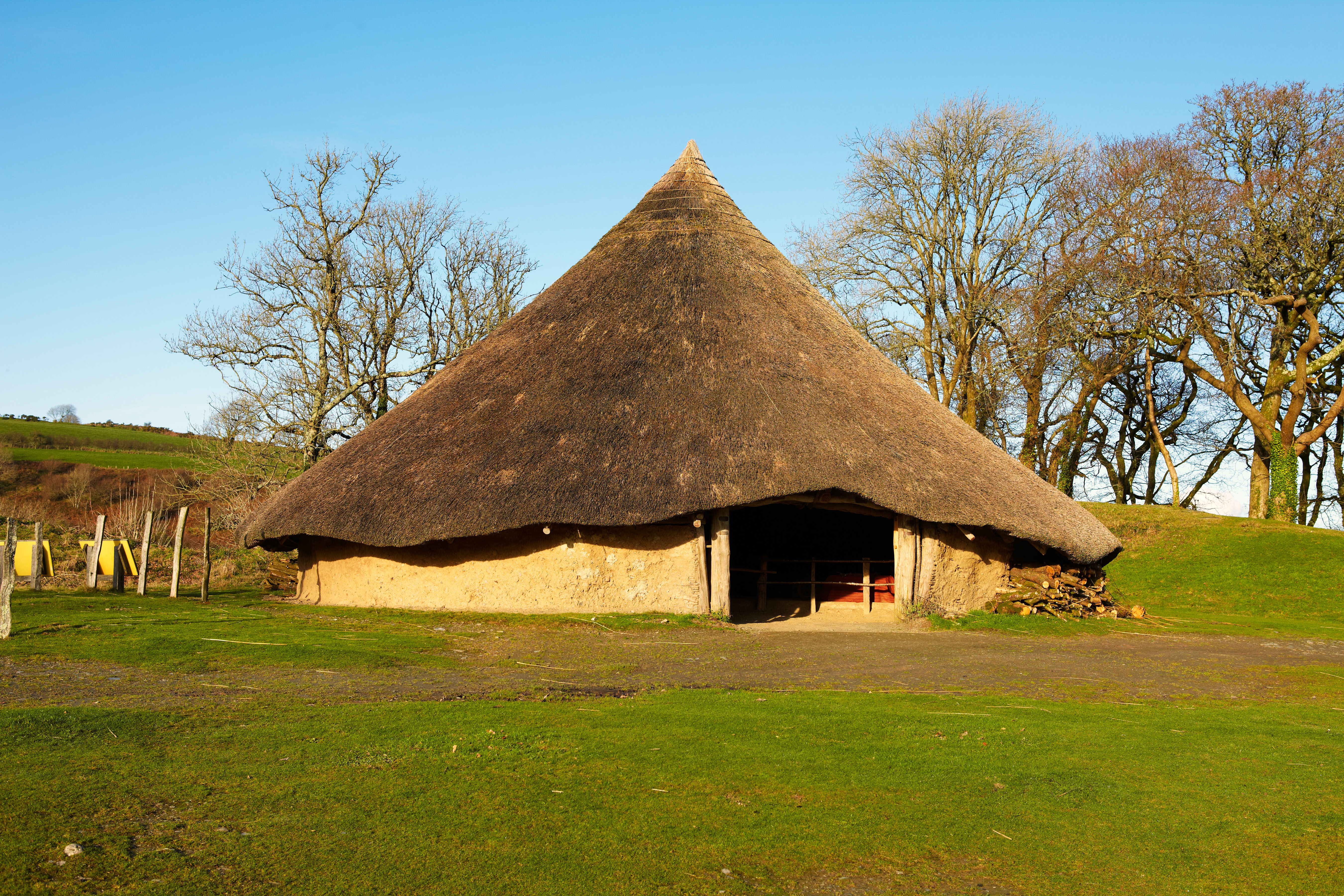
Native Britons lived in round huts, built using a technique called wattle and daub. This involved constructing wooden frames and filling in the walls with earth and clay. The roofs were thatched with dried grass or reeds.
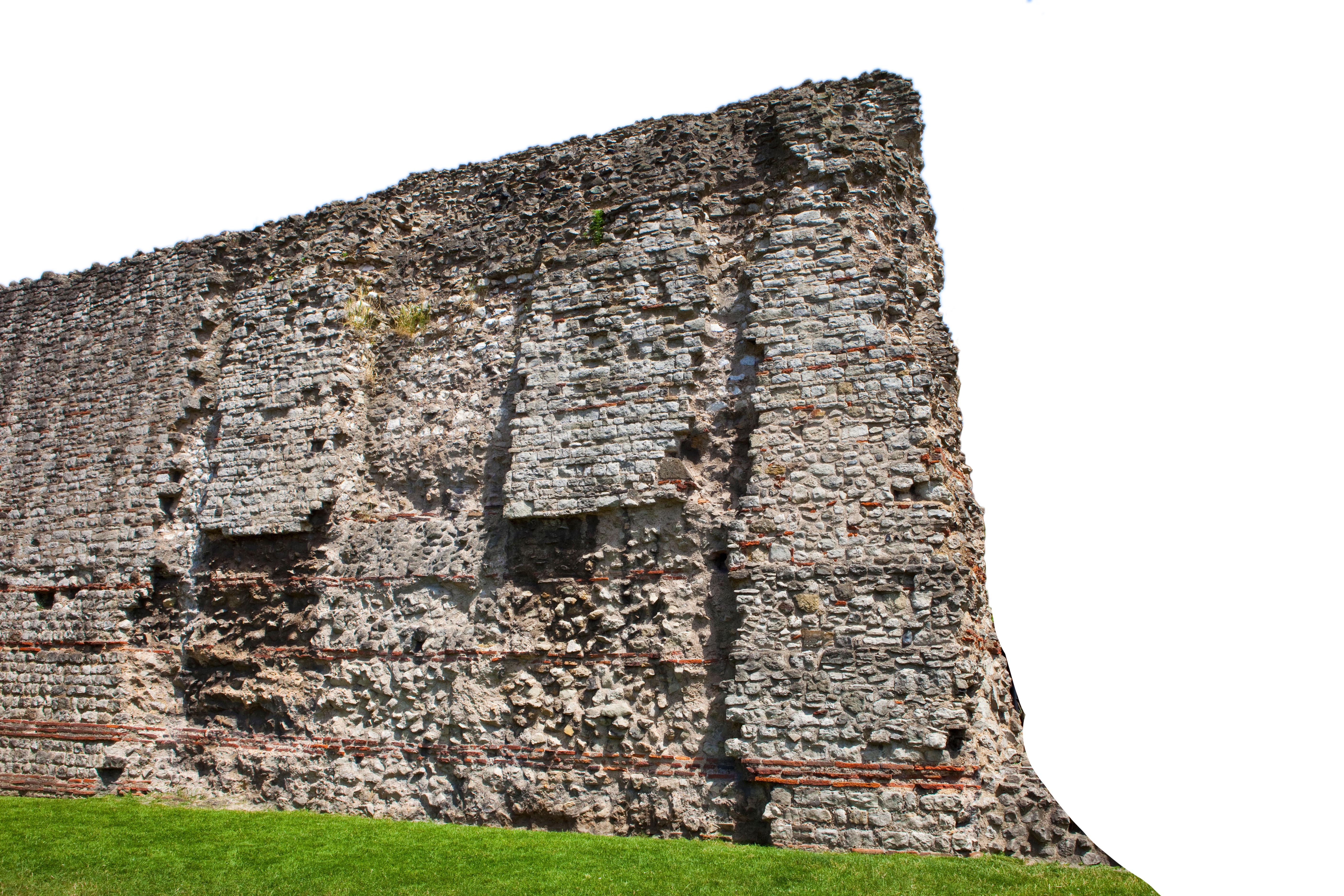 Surviving section of the city of London Roman wall.
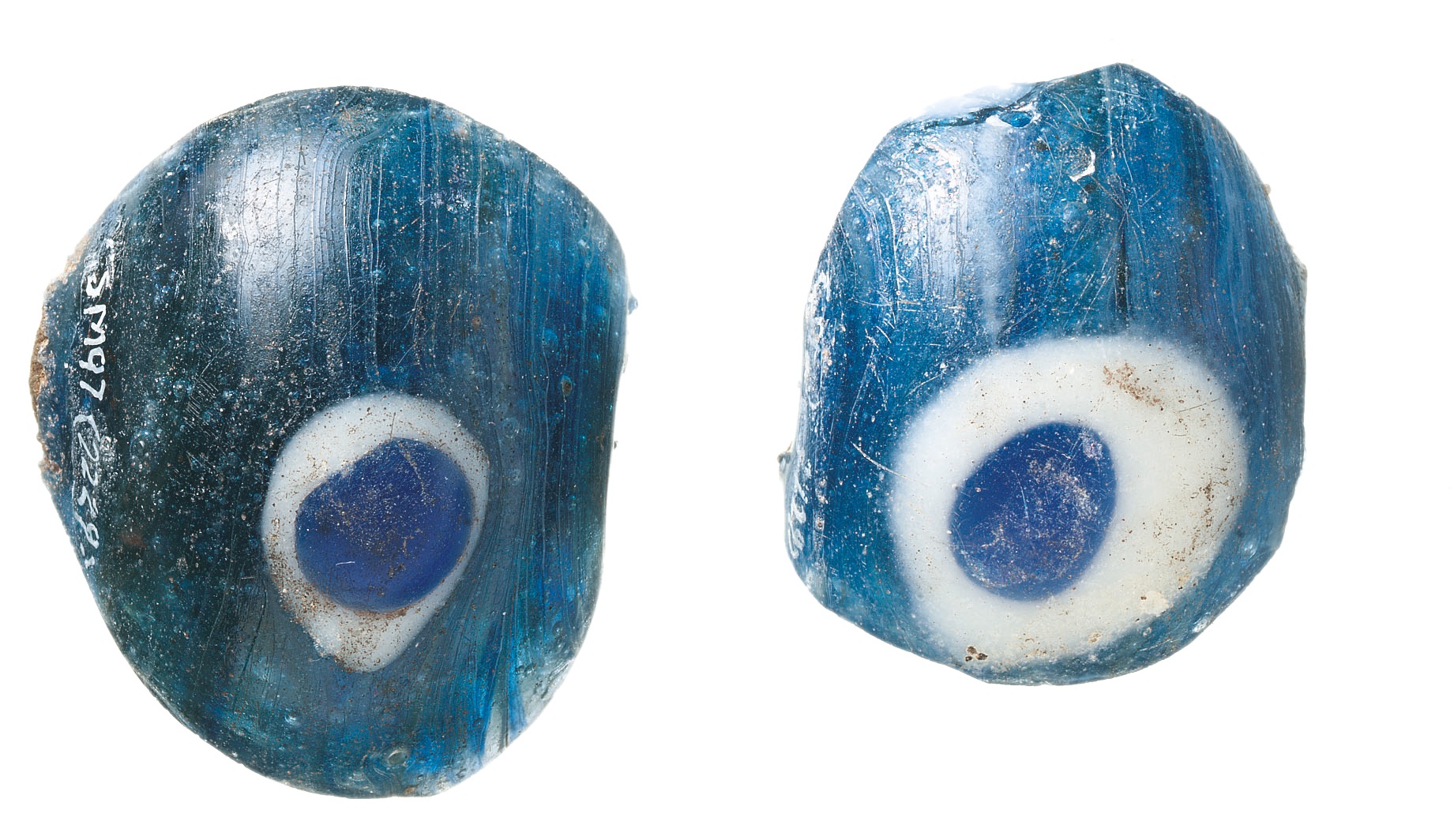
Excavations at a house on Gresham Street recovered a workshop which made glass beads. These were made by melting recycled Roman glass, but using traditional British methods, and their colour and design are typical of beads produced in Britannia before the Roman conquest.
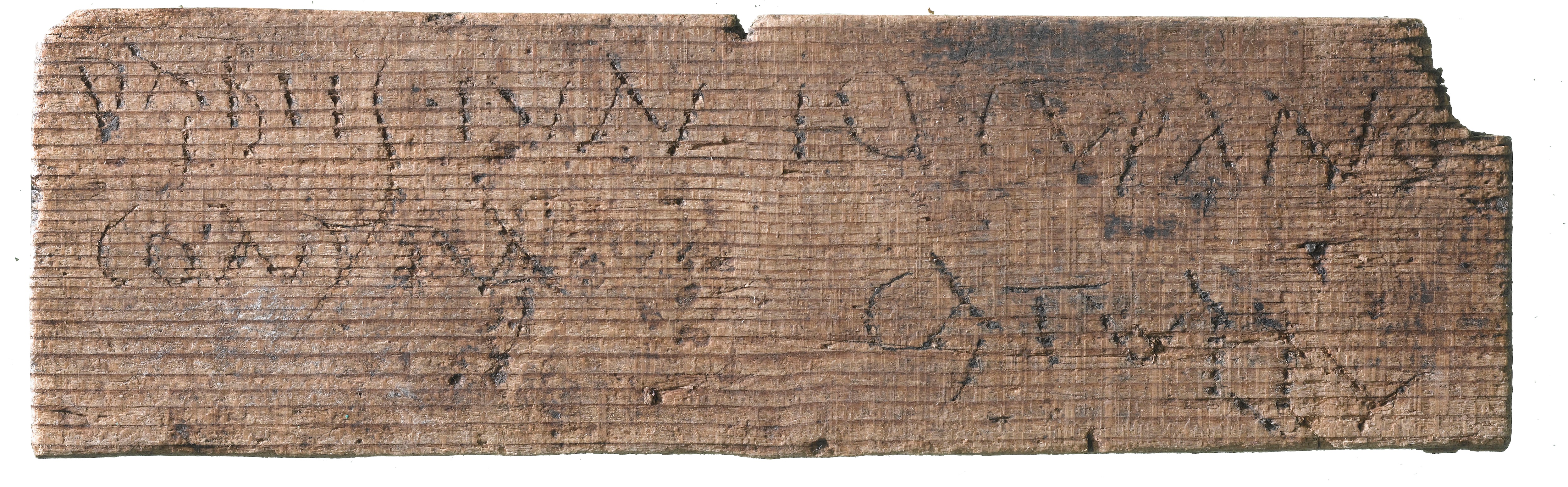
dābes Iūniō cupariō contrā Catullu
“You will give (this) to Junius the cooper, opposite (the house of) Catullus.”
This is one of the Bloomberg tablets. It gives us an insight into the sort of jobs early Londoners might have had. A cooper made wooden barrels which were used instead of amphorae to transport wine and other liquids.
“You will give (this) to Junius the cooper, opposite (the house of) Catullus.”
This is one of the Bloomberg tablets. It gives us an insight into the sort of jobs early Londoners might have had. A cooper made wooden barrels which were used instead of amphorae to transport wine and other liquids.
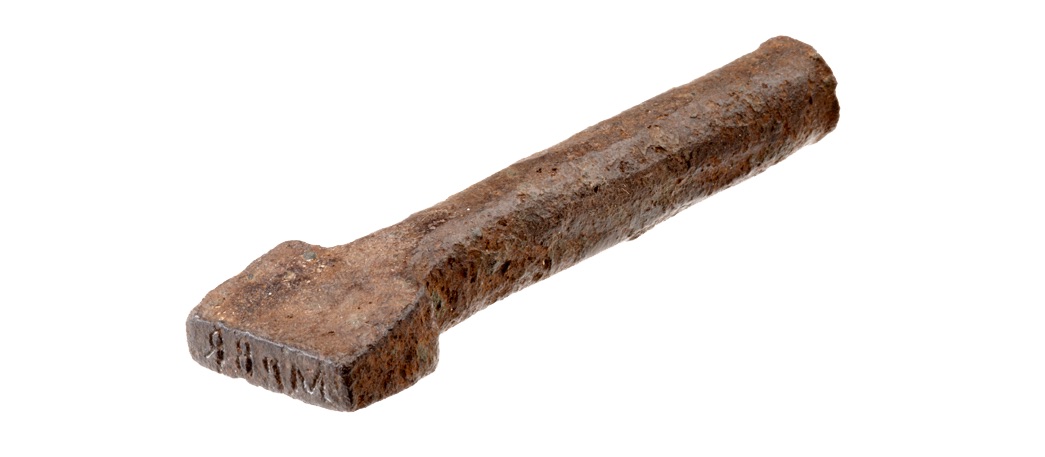
This iron stamp which was used to mark ingots of metal is engraved with the letters MPBR which is thought to stand for Metalla Prōvinciae Britanniae: ‘the mines of the province of Britannia.’ It shows how the Romans exploited Britannia’s raw resources on an industrial scale, to be exported to other parts of the Empire.
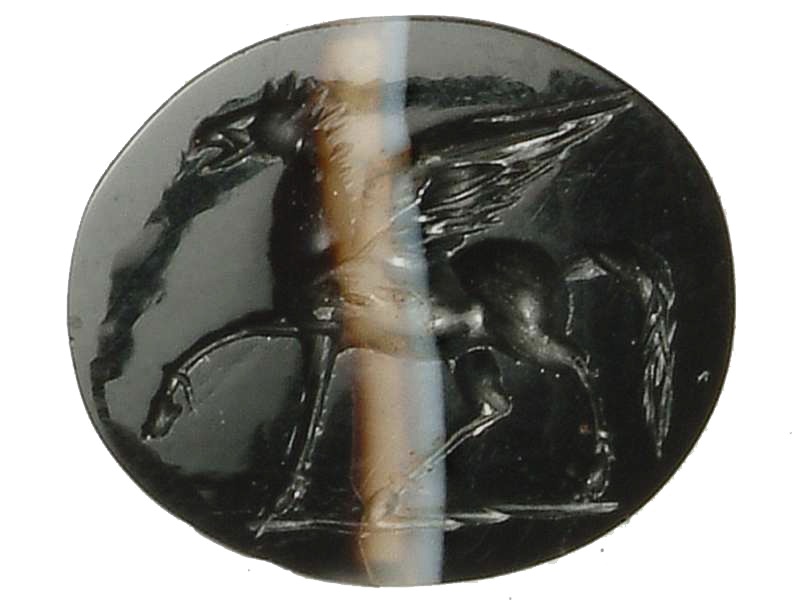
This intaglio, an engraved stone for a ring, shows the winged horse Pegasus. It was probably made by a skilled immigrant jeweller.

Evidence for leatherworking has survived well in the waterlogged ground in the Walbrook area of Londinium. Archaeologists have found not only intricately-cut leather shoes, but also scraps of cut leather and leatherworking tools. It is likely that leatherworking was originally practised in Londonium by skilled immigrant craftsmen.
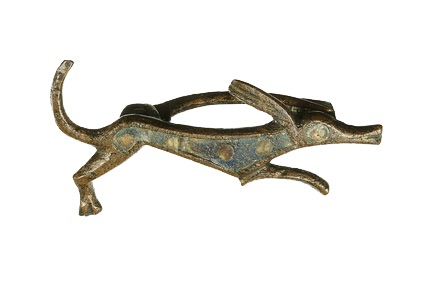
Brooch in the shape of a hunting dog. You can still see traces of coloured enamel.
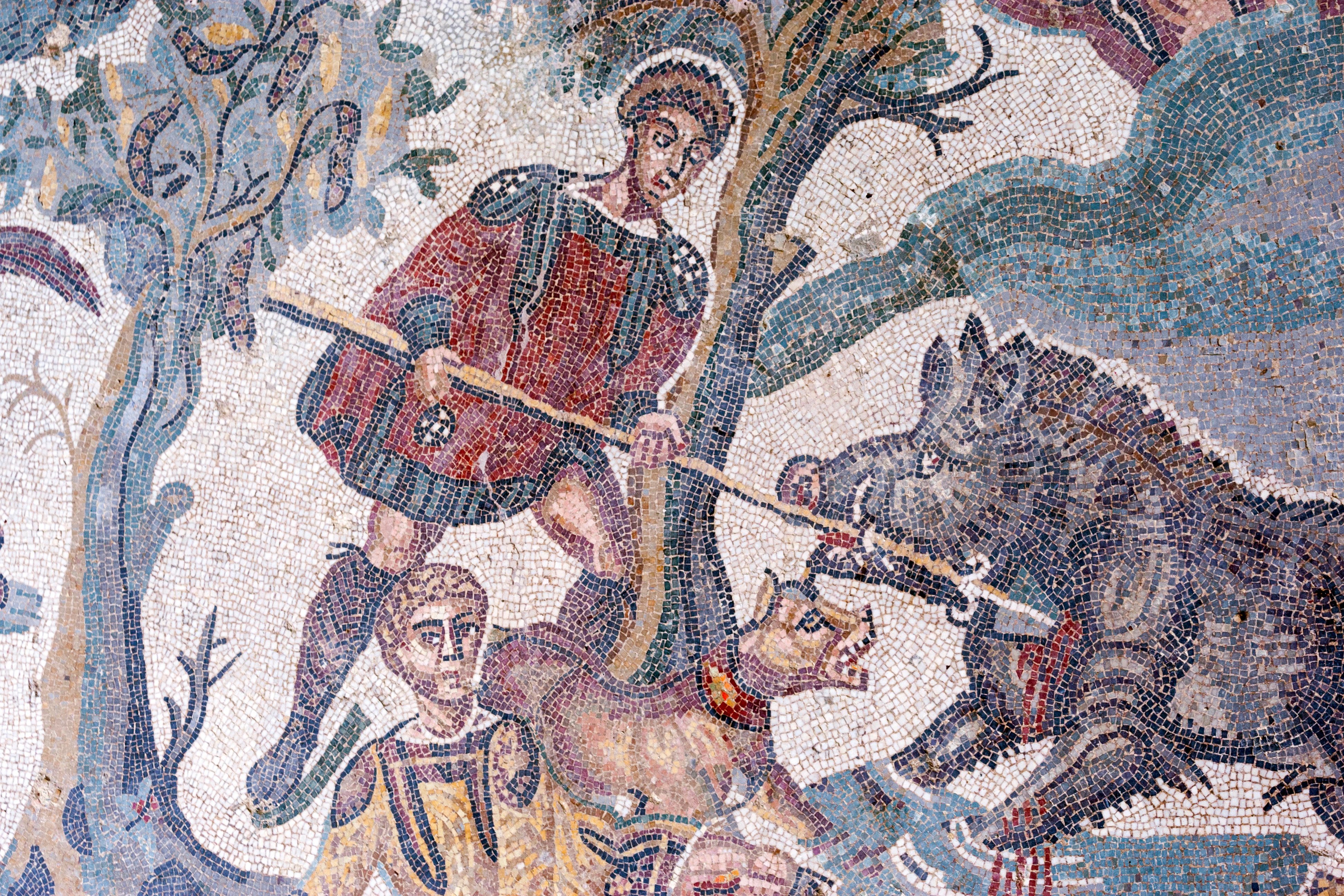
Section from the Little Hunt mosaic, in Sicily.
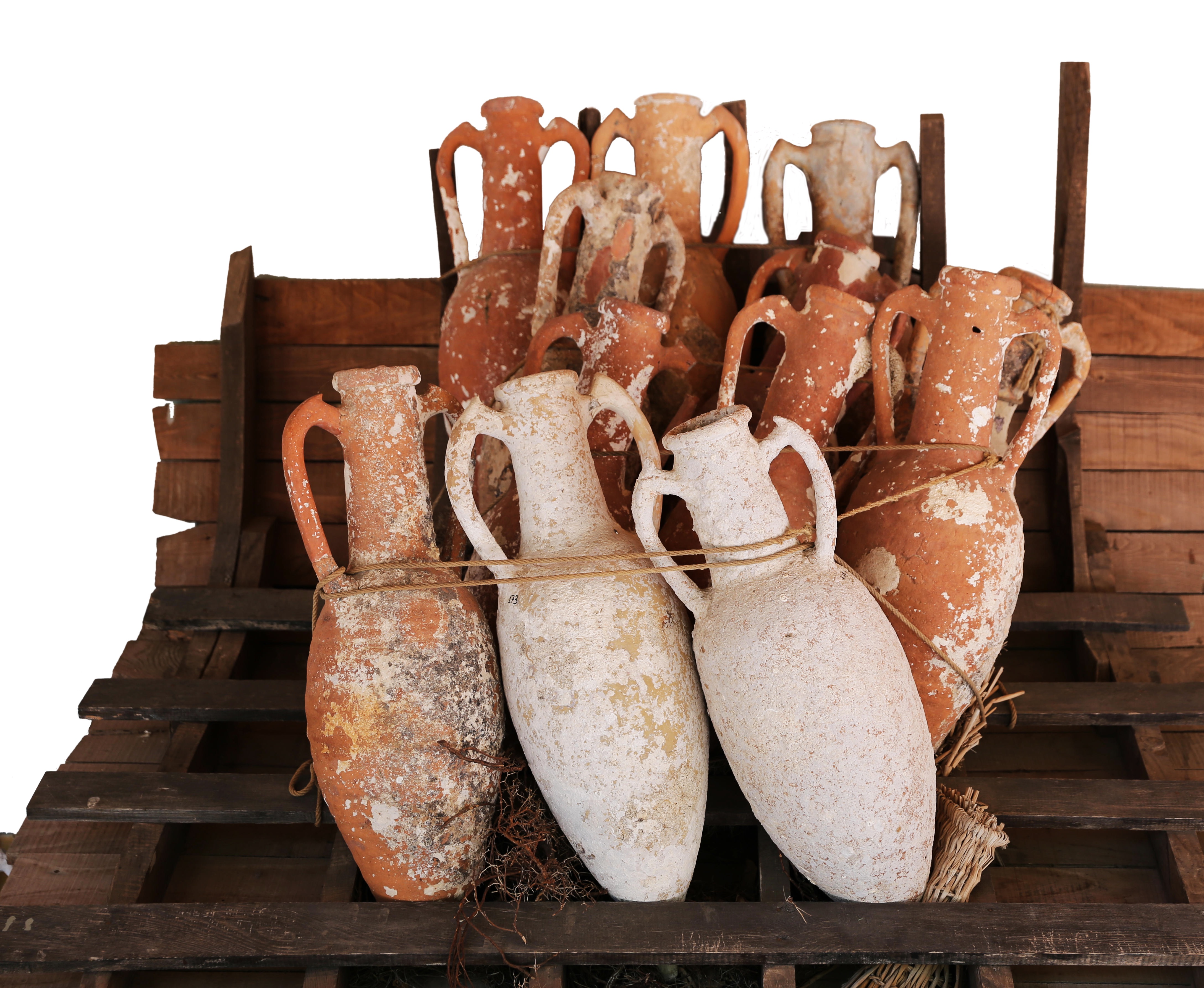
Heavy goods and liquids, including wine and olive oil, were transported in amphorae. These were large pottery containers with two handles, a narrow neck, and a bottom tapering to a point. The spike on the
bottom was useful as a third handle for lifting or pouring. A cork or stopper made of fired clay was used to plug the mouth; this was then sealed with mortar. Many of these amphorae were stamped with names or symbols which identify the pottery workshop or its owner. Sometimes the mortar seal was stamped with the name of the merchant. Details of the contents were sometimes painted on the amphora. Many shipwrecks carrying amphorae have been found by archaeologists.
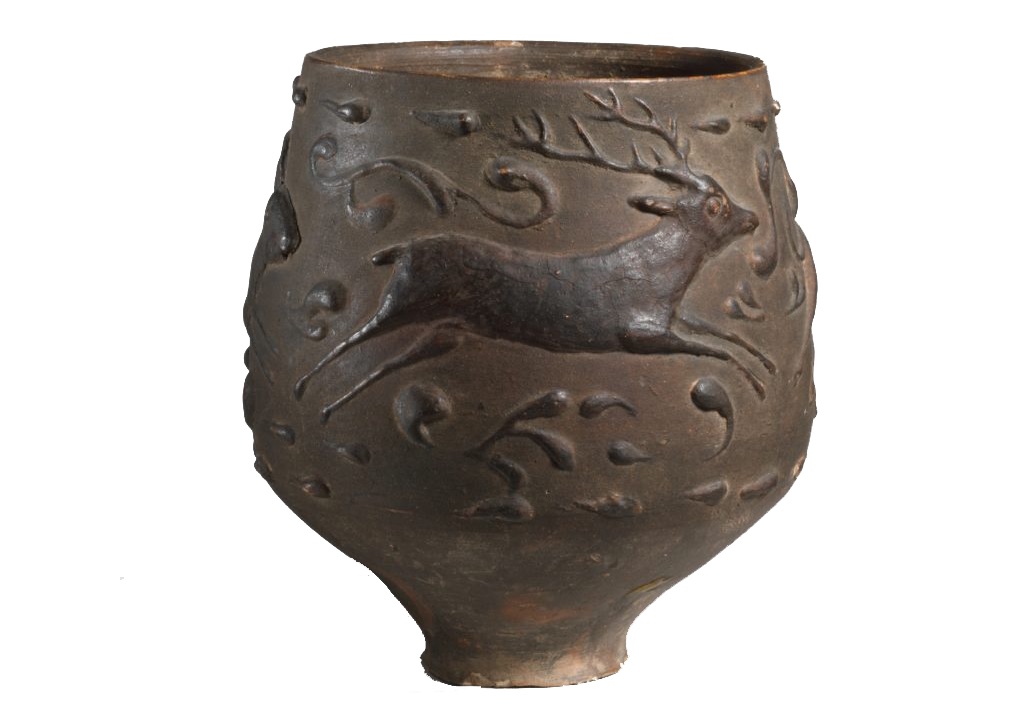
Terracotta cup showing a hunting scene with a stag.
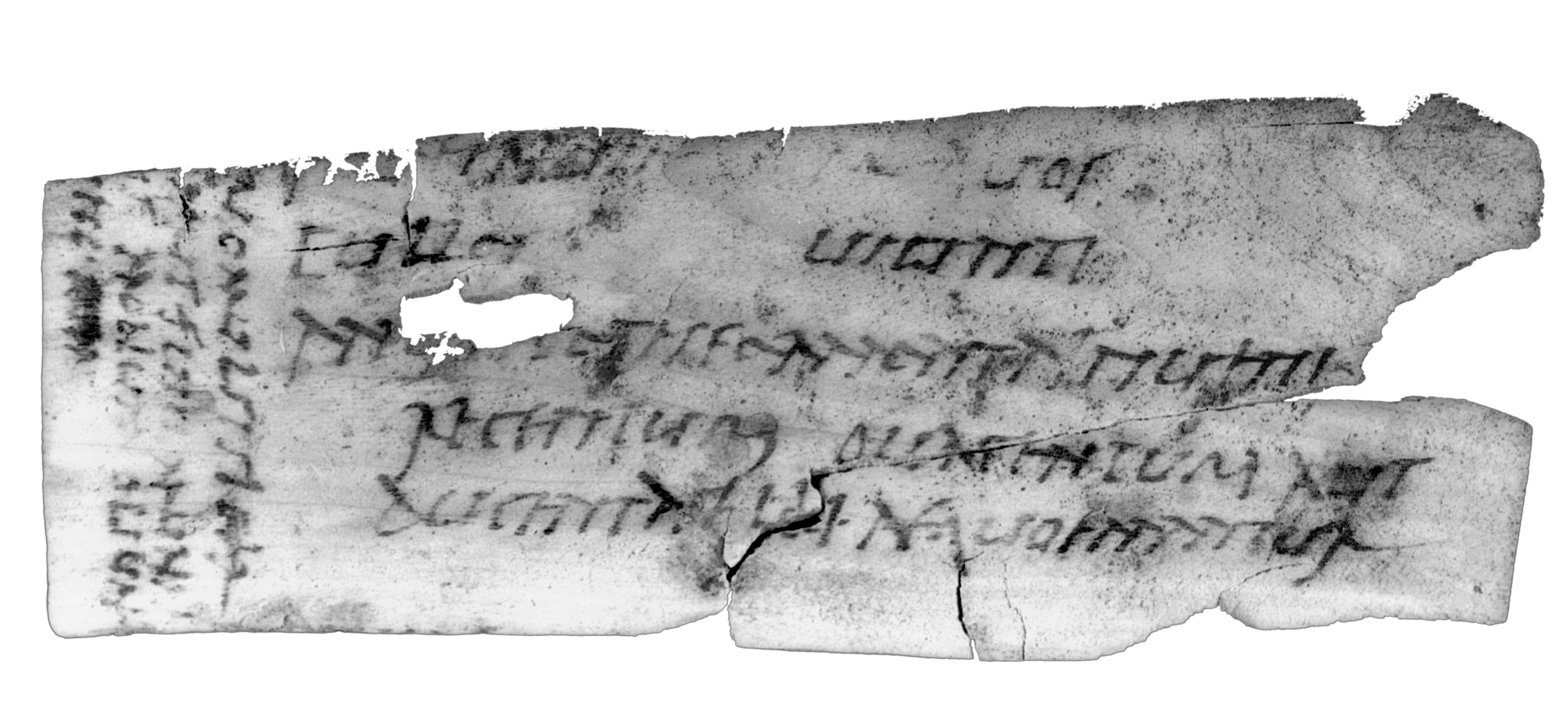
... 20 litres of beans, 20 chickens, 100 apples (if you can find any nice ones), 100 or 200 eggs (if they are a good price), 5 litres of fish sauce, 10 liters of olives.
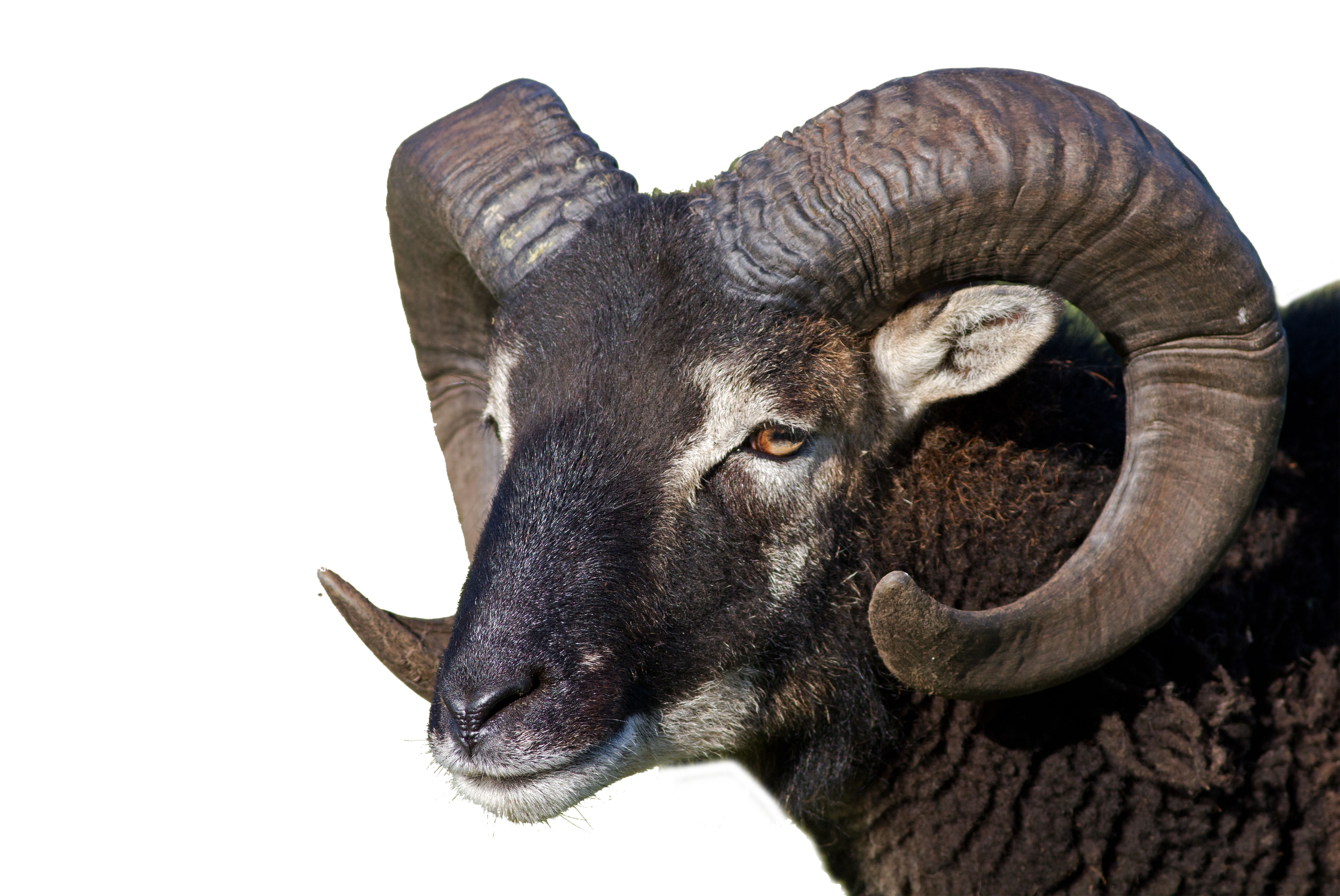
The Iron Age Britons kept sheep similar to this one, a Soay sheep from the island of Soay off the west coast of Scotland. The Romans introduced a new breed of sheep which was hornless, white-faced, and with short wool.
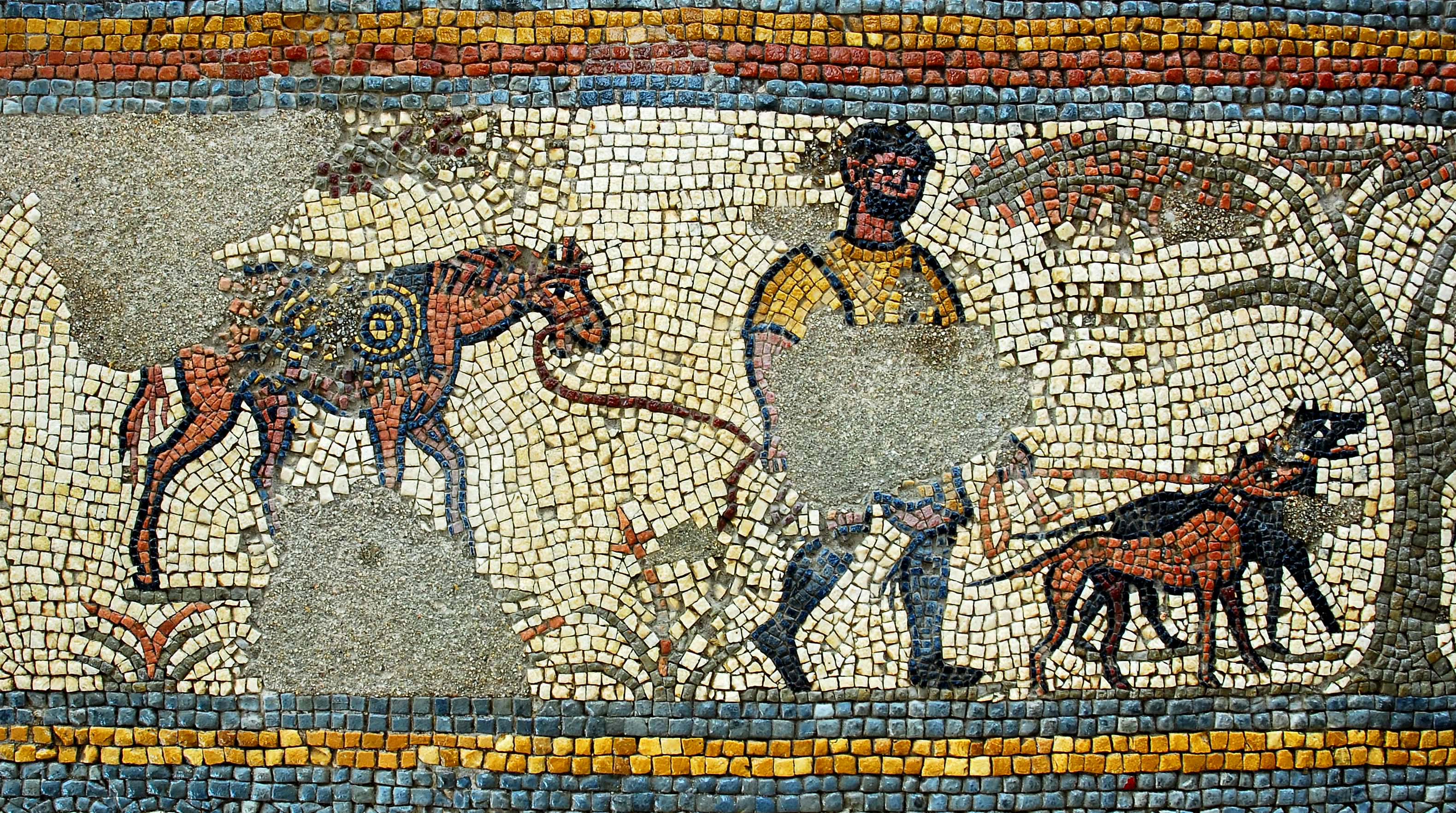
Section of a mosaic from Conimbriga, Portugal.