
10. AQUAE SULIS
WEBLINKS
IMAGE GALLERY

The baths at Aquae Sulis as they look now.
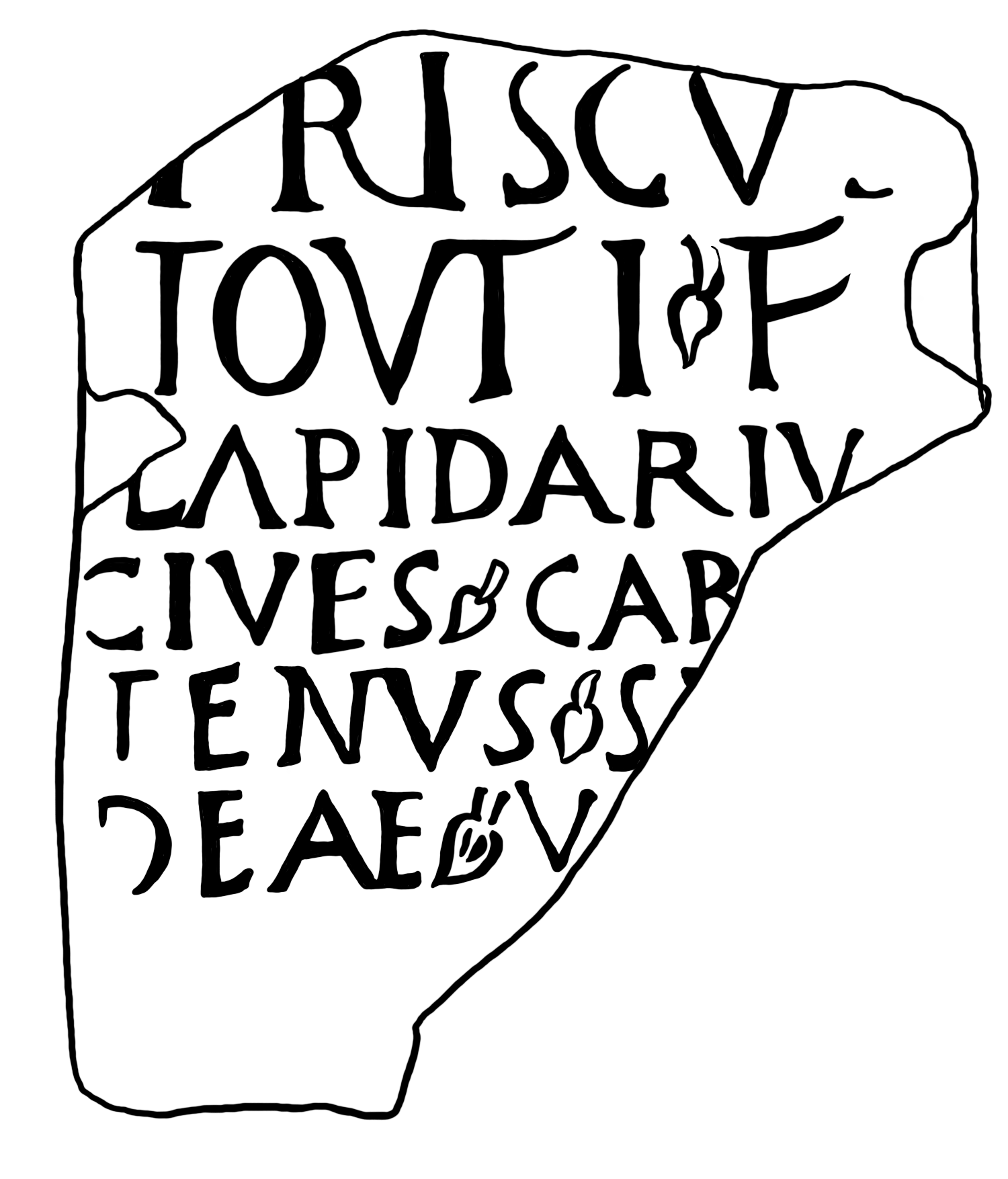 Priscus, son of Toutius, stonemason, from the Carnutes tribe, willingly and deservedly fulfils his vow to the goddess Sulis.
Dedication to the goddess Sulis by a stonemason from Gaul.

Part of the handle of a metal dish which might have been used for offering holy water. Archaeologists have found many dishes like this in the spring. They have the letters DSM on them, which is short for deae Suli Minervae. What do you think the words mean?

Sulinus set up this altar to Sulis Minerva. He had made a promise and kept it. We don’t know what the promise was. Perhaps he had promised to set up the altar if his prayer was granted.
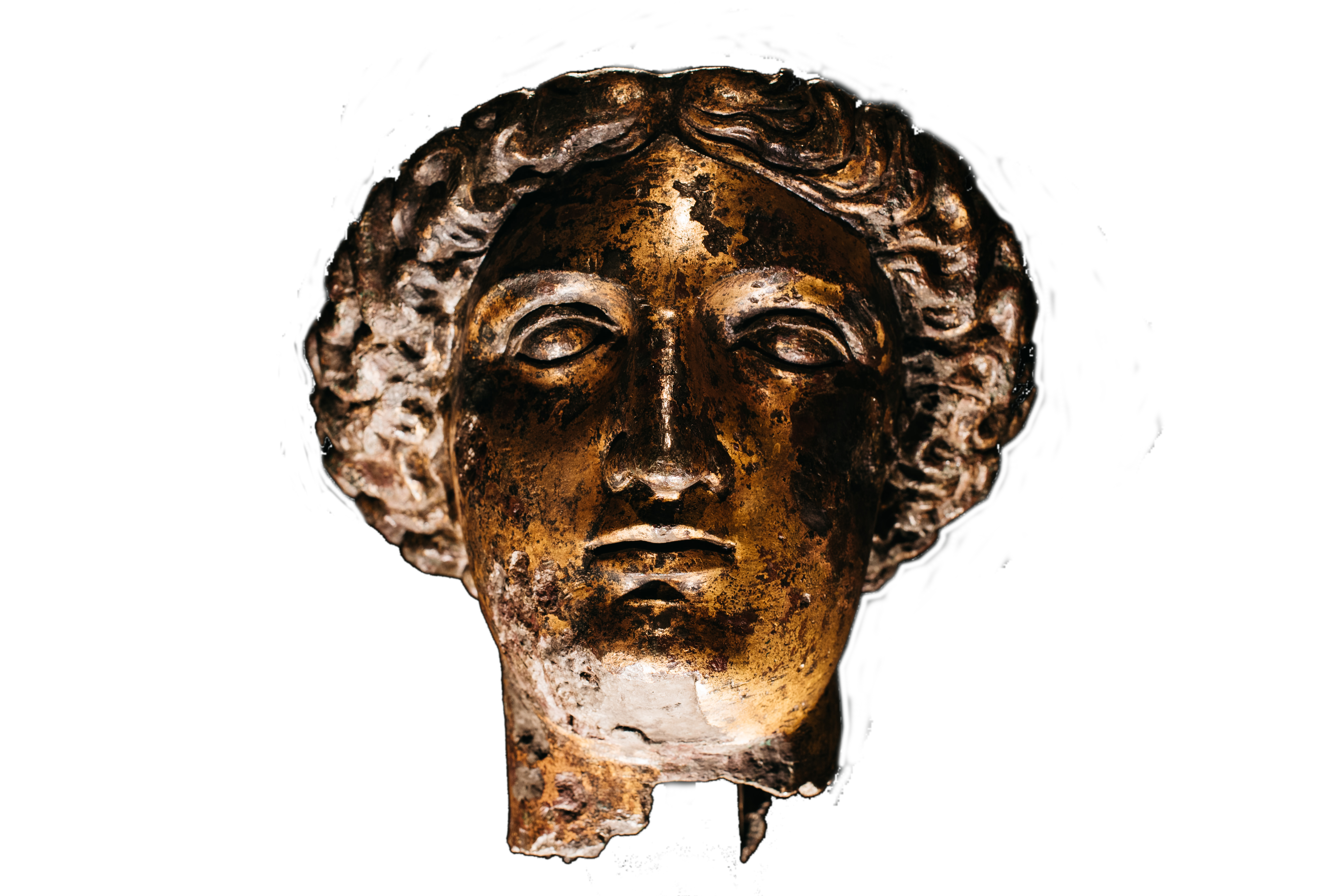
Bronze head of Sulis Minerva, probably from the statue inside the temple at Aquae Sulis.
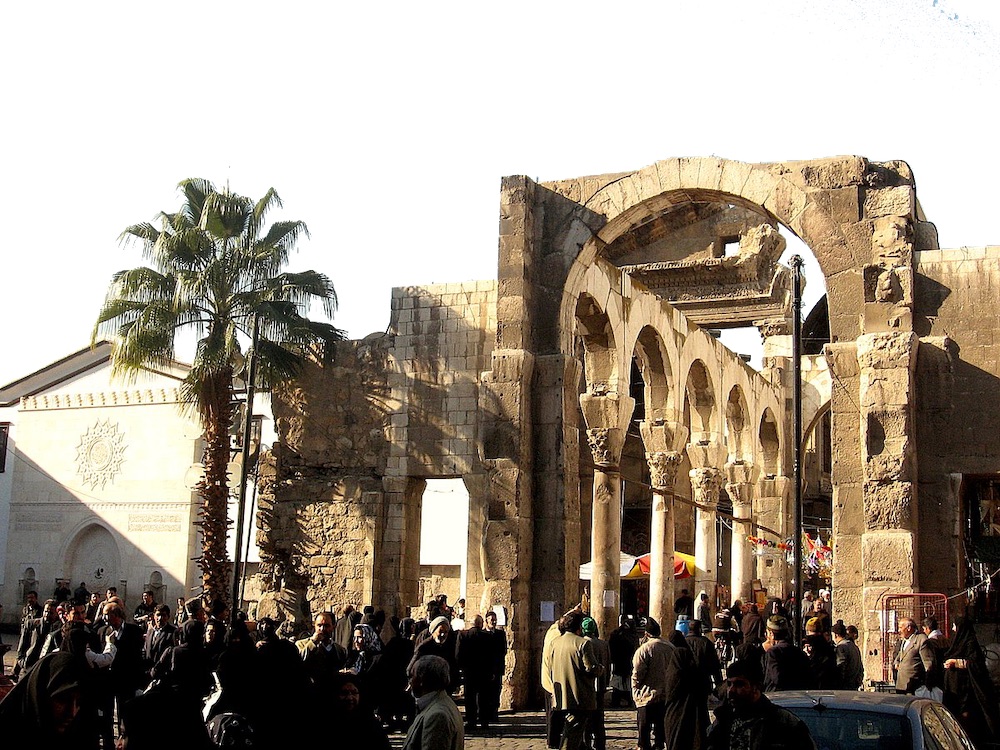
When the Romans conquered Damascus, in Syria, in 64 bc, they assimilated Hadad with Jupiter, the Roman god of thunder and the king of the gods. They commissioned the local architect Apollodorus to design a new temple for Hadad-Jupiter. He copied the symmetry and scale of Roman temples, but kept much of the original Semitic design.

A Roman curse tablet.
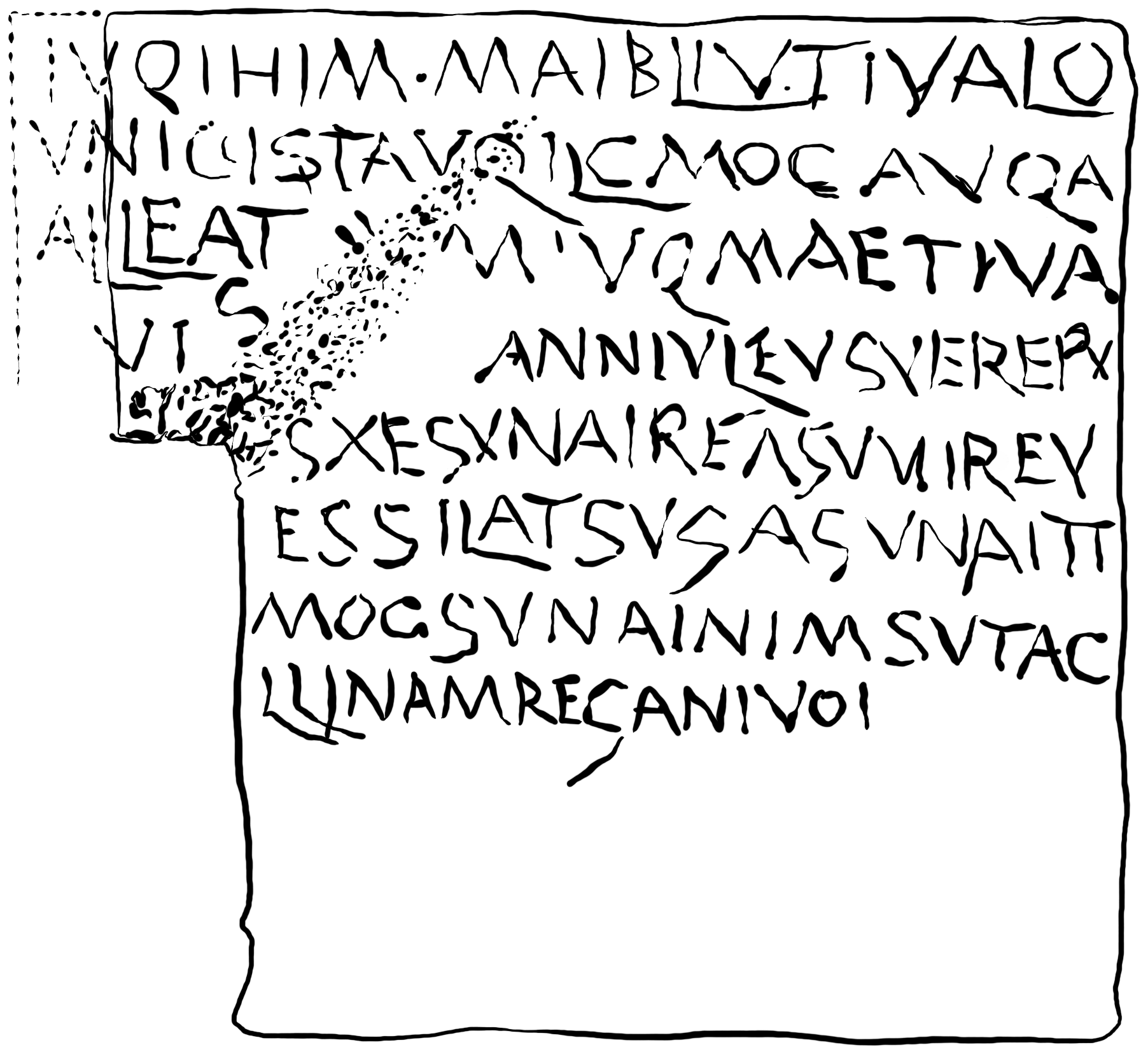
May he who stole vilbia (?) from me become liquid as water. May she who stole [or devoured] her become dumb ... Velvinna Exsupereus ... (a list of names follows)
Some people think that Vilbia is a woman’s name. Others think that the word refers to an object which has been stolen.
Some people think that Vilbia is a woman’s name. Others think that the word refers to an object which has been stolen.
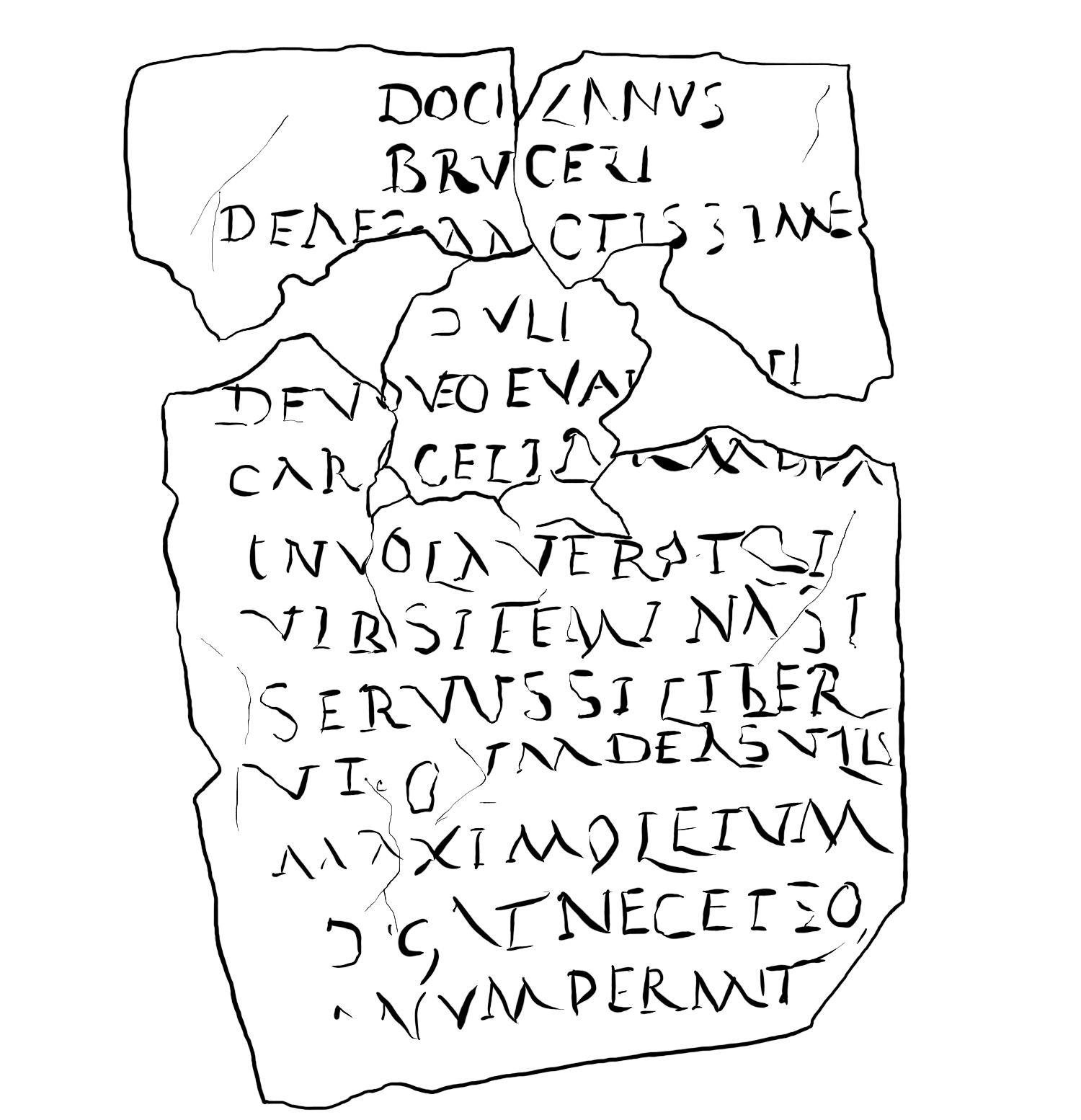
Docilianus son of Brucerus to the most holy goddess Sulis. I curse whoever stole my hooded cloak – whether man or woman, slave or free. May the goddess Sulis inflict death on him and not allow him to sleep or have children now or in the future until he has brought my cloak back to her temple.

Trajan’s column is a huge monument in Rome, built to commemorate Emperor Trajan’s defeat of the Dacians (in modern Romania). The continuous image carved on stone winds twenty-three times round the column from the base to the top and depicts scenes from the conquest.
Although it depicts a military campaign, there are relatively few scenes of battle. Instead we can see tasks carried out by the soldiers.
Although it depicts a military campaign, there are relatively few scenes of battle. Instead we can see tasks carried out by the soldiers.
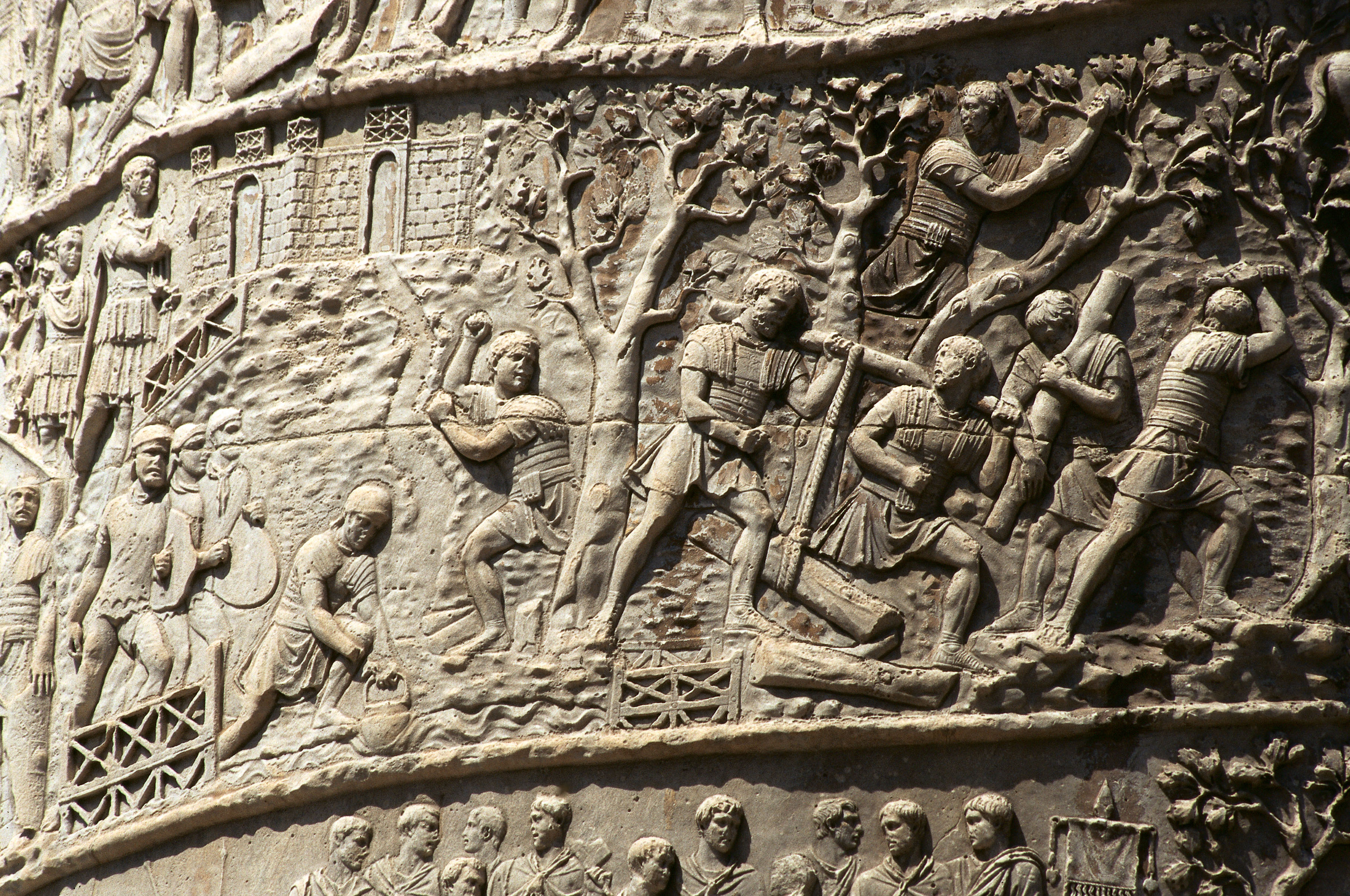
Trajan’s column is a huge monument in Rome, built to commemorate Emperor Trajan’s defeat of the Dacians (in modern Romania). The continuous image carved on stone winds twenty-three times round the column from the base to the top and depicts scenes from the conquest.
Although it depicts a military campaign, there are relatively few scenes of battle. Instead we can see tasks carried out by the soldiers.
Although it depicts a military campaign, there are relatively few scenes of battle. Instead we can see tasks carried out by the soldiers.
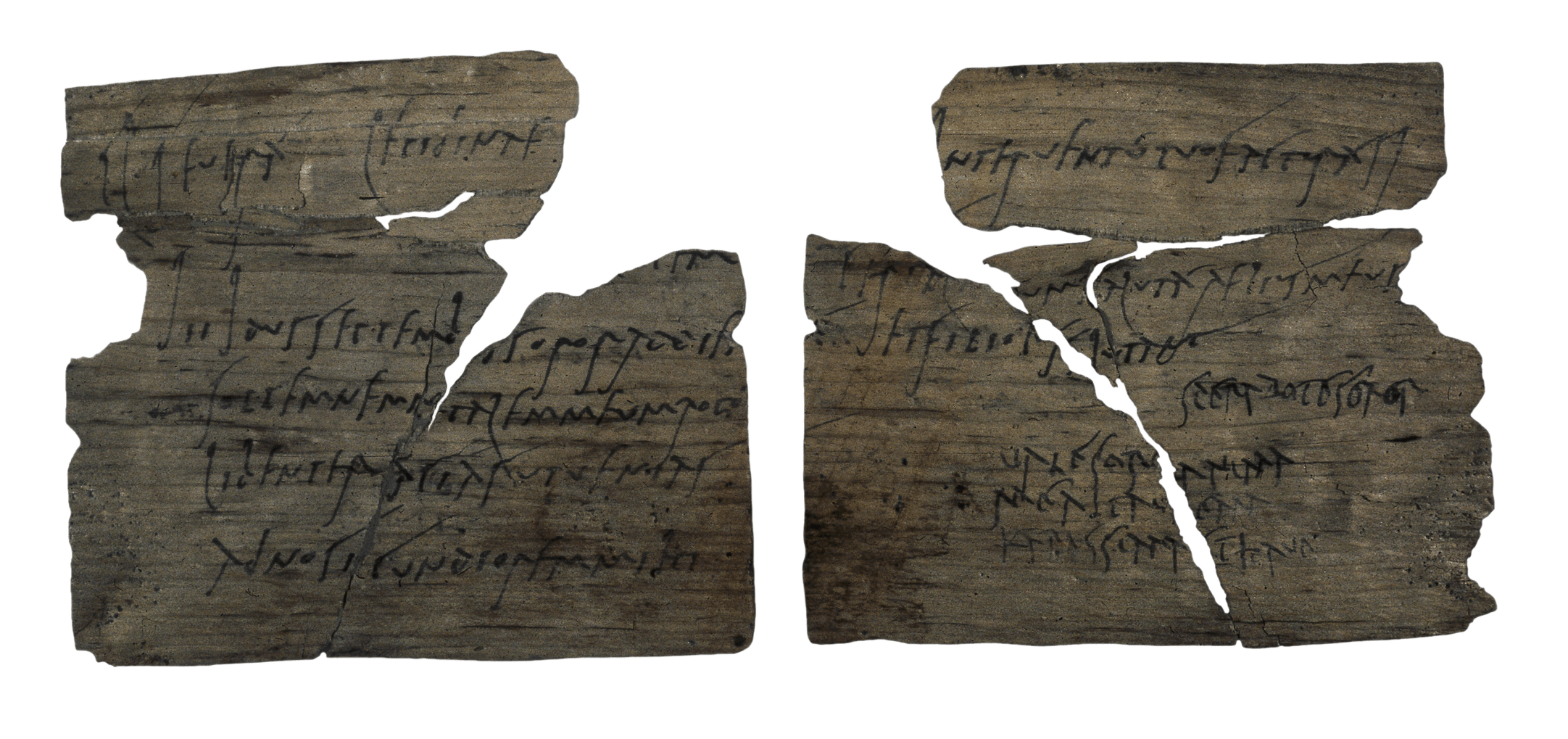
Greetings from Claudia Severa to Lepidina. On 11 September, sister, for my birthday, I ask you to come and visit us, to make the day more enjoyable for me, if you are free.

In their free time, soldiers played games and gambled with dice. These dice are made of ivory and glass.

This tombstone was found at Arbeia (South Shields), a fort near the eastern end of Hadrian’s Wall. In the late second century ad Arbeia was a busy port and supply base for the troops stationed on Hadrian’s Wall.

To the spirits of the dead, for Regina his freedwoman and wife, of the Catuvellaunian tribe, aged 30, Barates, a Palmyran by birth [set this up] Regina the freedwoman of Barates, alas.
Most of the inscription is in Latin; the last line is in Palmyrene (Aramaic). Barates was from Palmyra in Syria.
Most of the inscription is in Latin; the last line is in Palmyrene (Aramaic). Barates was from Palmyra in Syria.

The curses from Aquae Sulis are almost all written in Latin. The curse on this tablet is intriguing because it is in a language which isn’t Latin. It could be a British language.
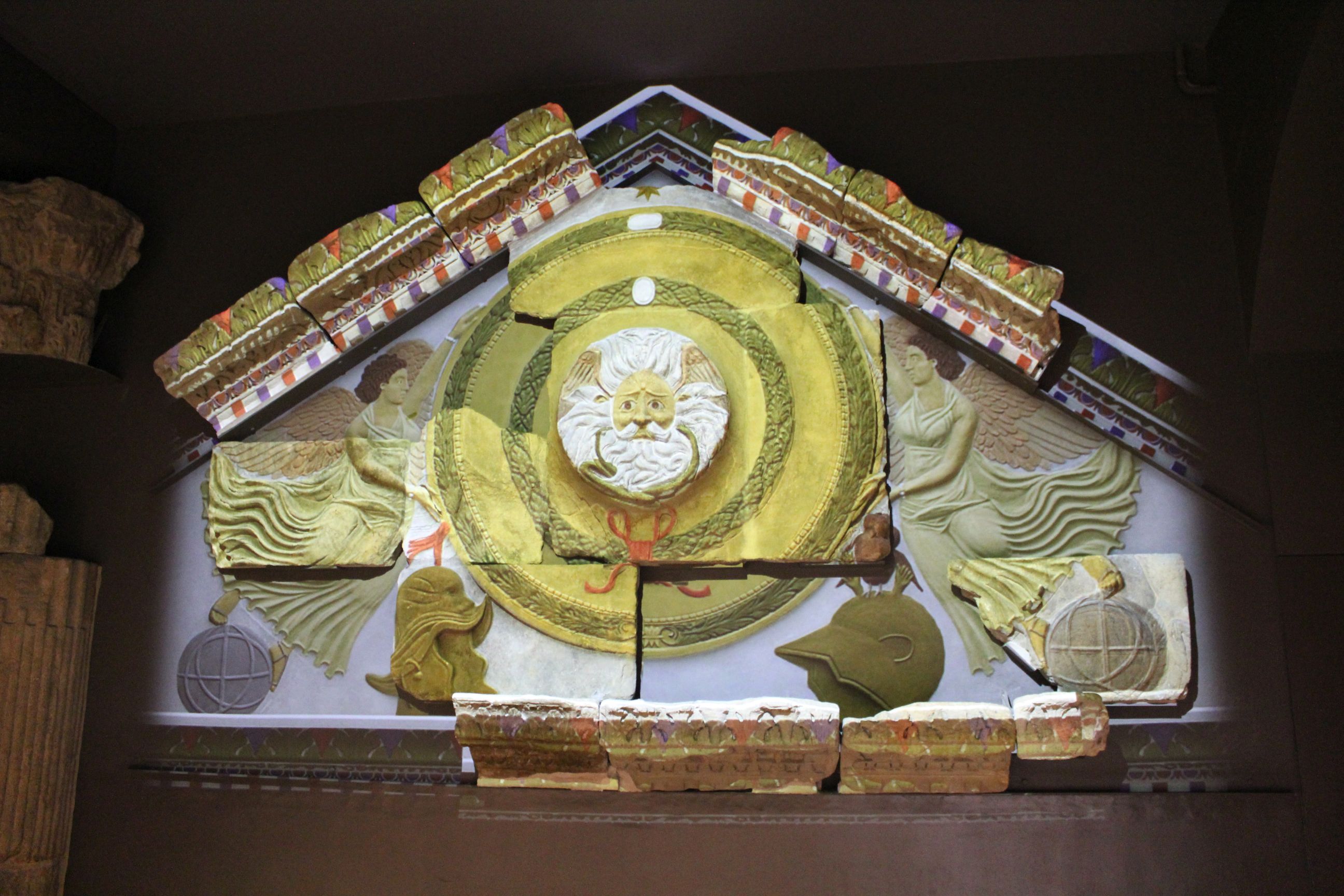
The pediment of the temple at Aquae Sulis, with its original colours shown. The carved head is thought to be based on the Gorgon’s head, a symbol of the goddess Minerva.
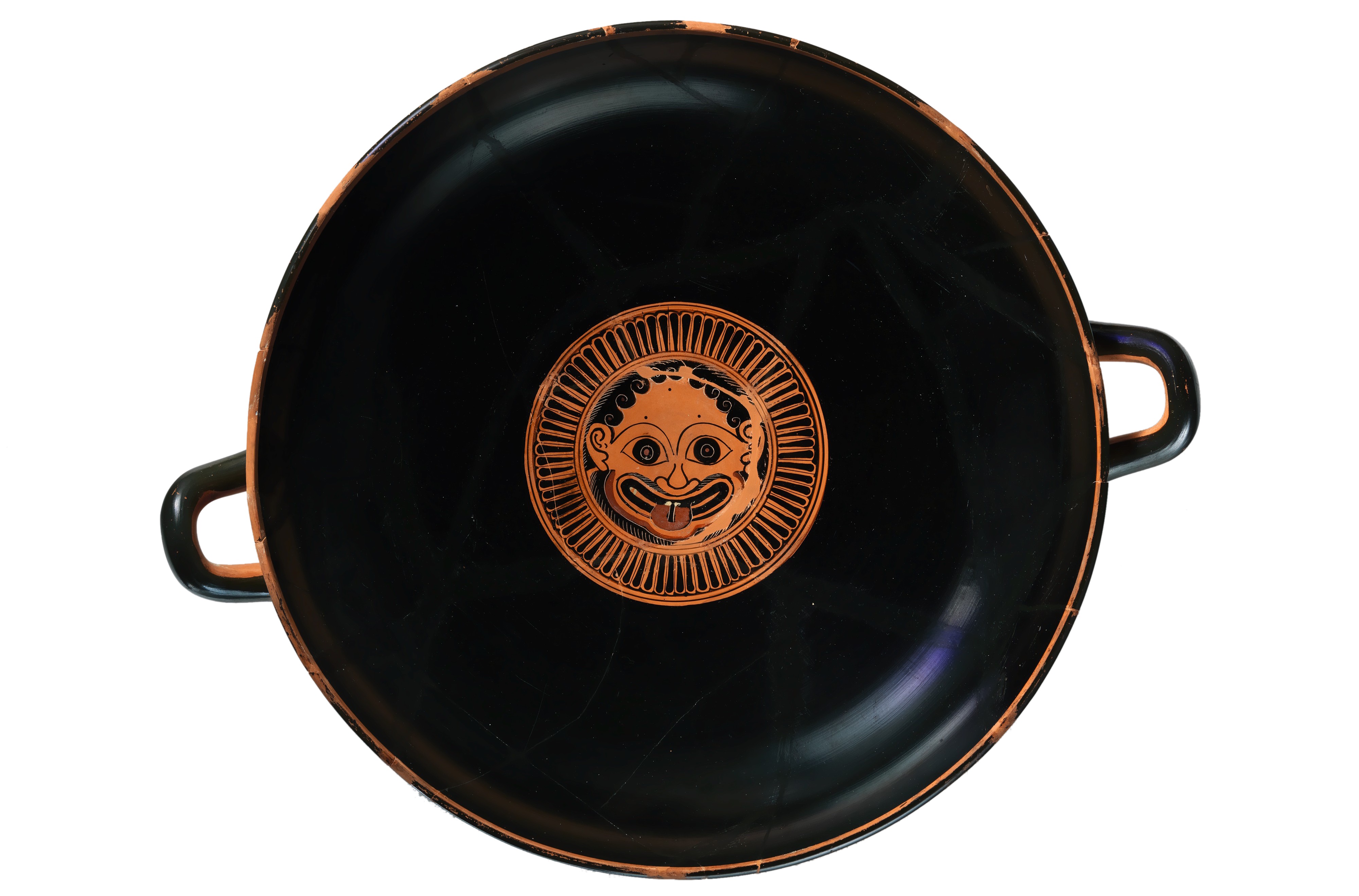
The inside of a Greek drinking cup from the sixth century bc, decorated with a Gorgon’s face.
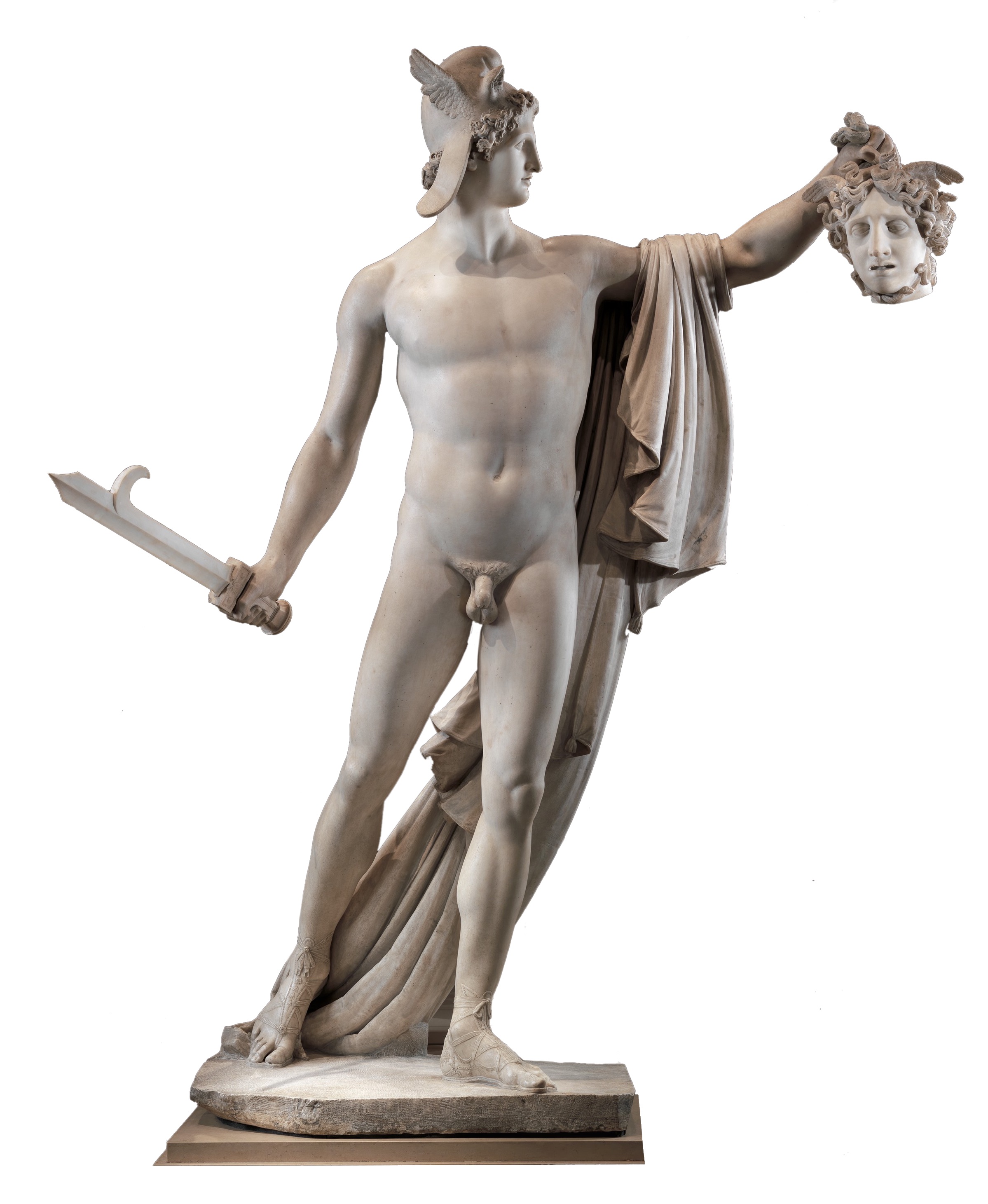
A nineteenth-century sculpture, showing Perseus with the head of Medusa.

A fifth-century bc Greek painting from a vase.
ACTIVITIES AND GAMES (TRACKED)
Autograded translations

Autograded translation:
Language Practice
Chpt 10, Ex. 1 (10.1)
Autograded translation:
Language Practice
Chpt 10, Ex. 2 (10.2)