
15. VILLA
WEBLINKS
IMAGE GALLERY

Although no beehives have survived from Roman times (they were made of biodegradable materials), many Roman authors wrote about beekeeping. The Romans did not have sugar; instead they used honey as a sweetener. The production of honey was not the only benefit of beekeeping. The wax was also used to make writing tablets and for medicinal purposes.
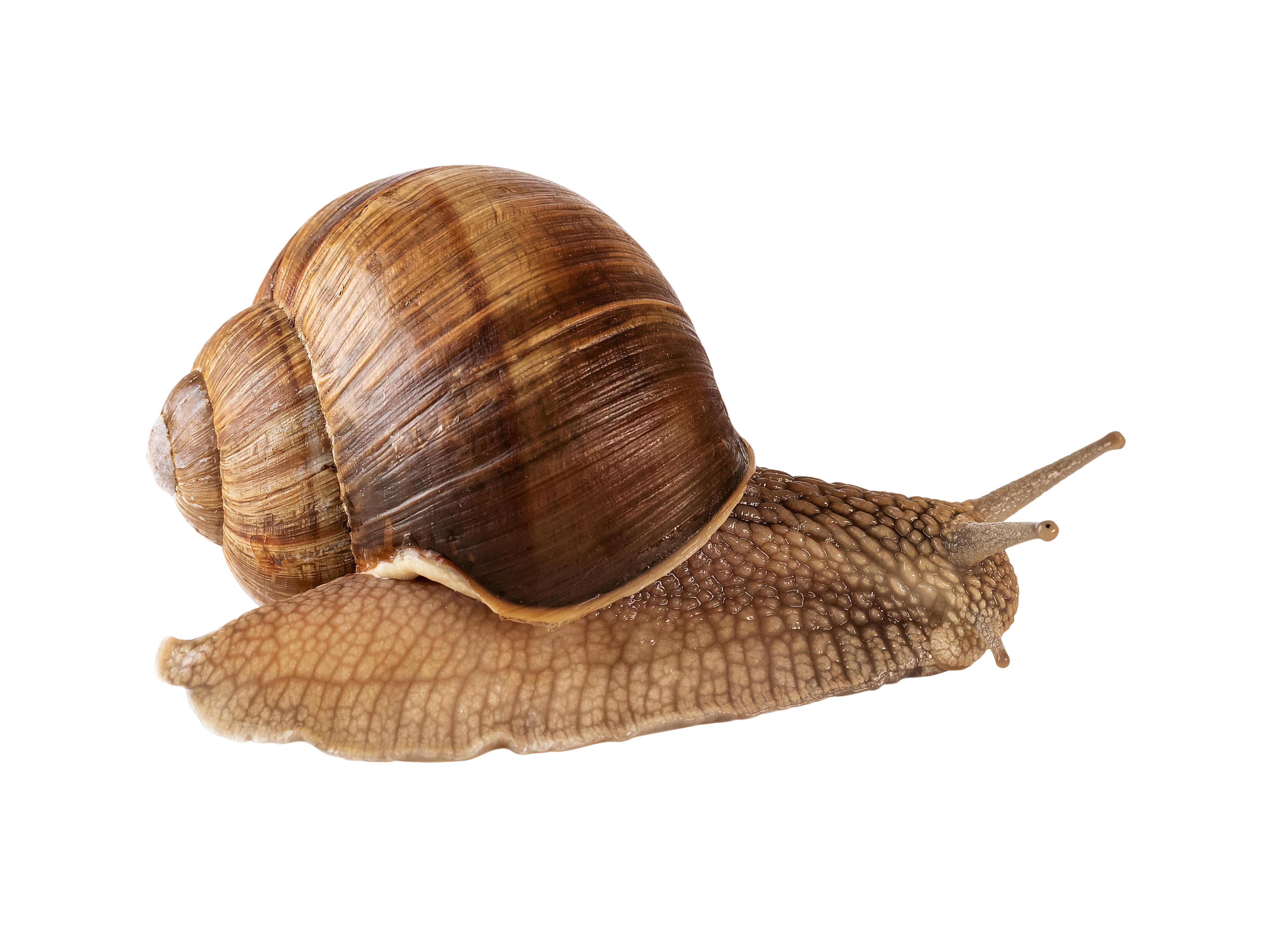
Snails were a special delicacy for the Romans. They were kept in pens in the garden and fattened on grain and aromatic herbs. The practice of farming snails is called heliculture, from the Greek word ‘helix’, which means spiral.
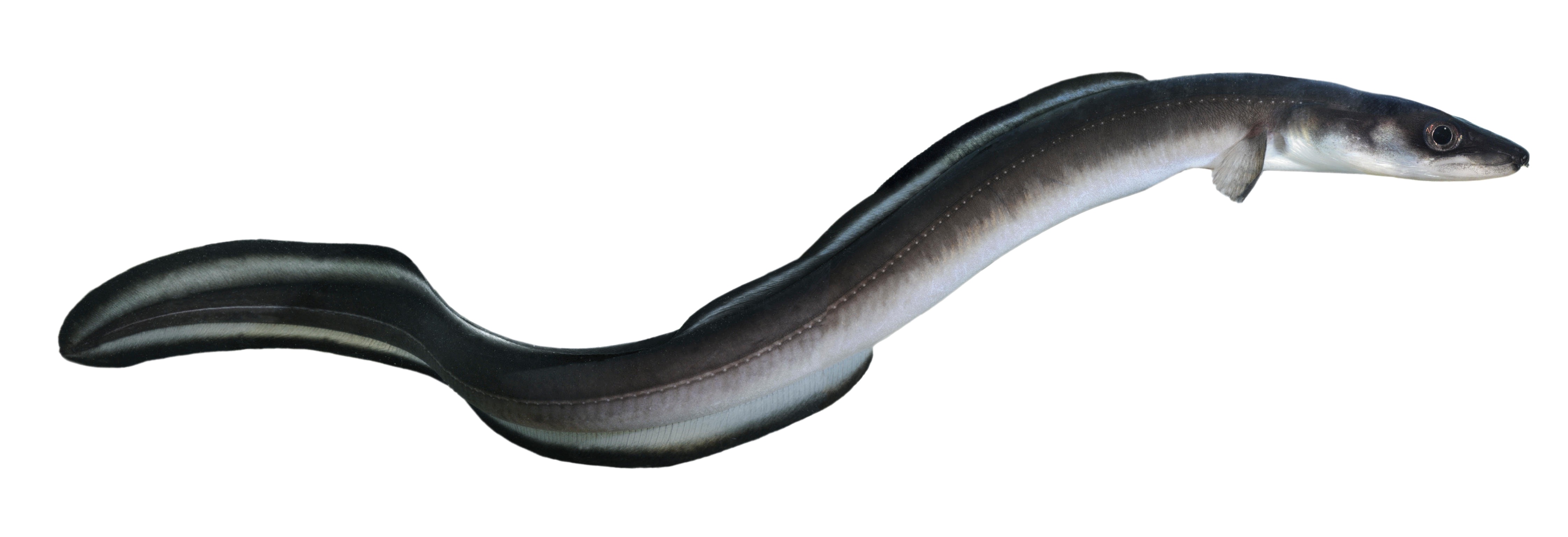
Freshwater fish ponds in the gardens of country estates provided fish to eat, but they also housed luxury pet fish. Some Romans are reported to have become extremely attached to these expensive fish. Antonia (the
mother of Emperor Claudius) is even said to have attached earrings to her favourite eel!
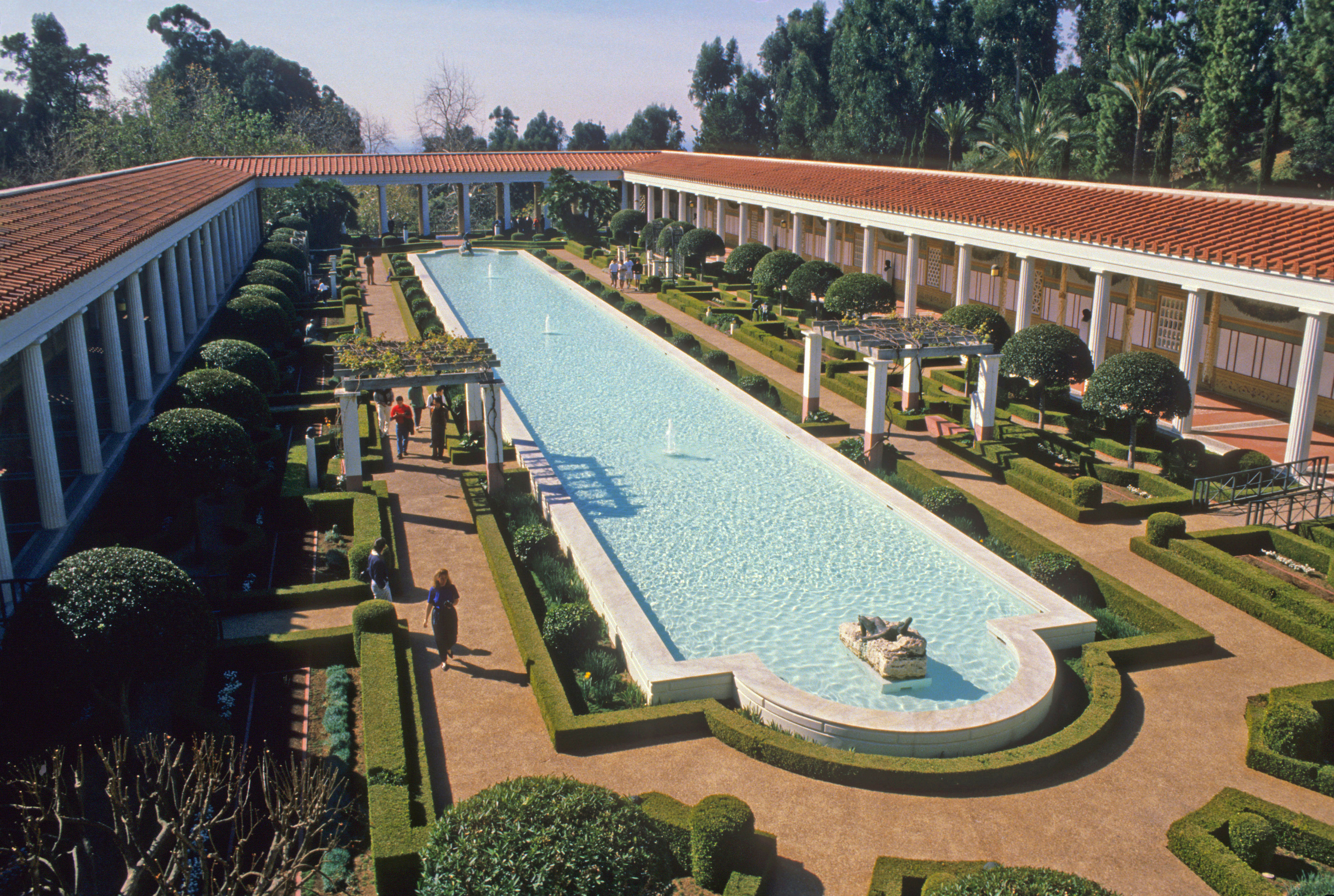 The garden at the Getty Villa in California is a reconstruction of a Roman garden.
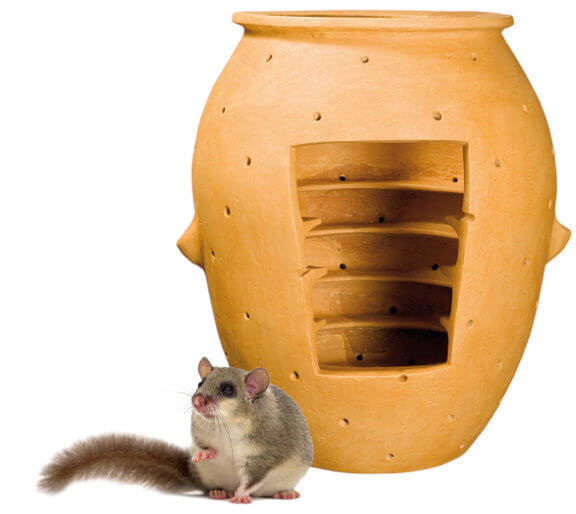
Dormice were a popular delicacy. One recipe was roasted dormouse, glazed in honey and rolled in poppy seeds. This jar is a glīrārium, an earthenware vessel used for keeping and fattening dormice. The side has been cut away to show the interior. The wall is pierced with holes and inside there is a ledge which spirals from the rim to the base. Varro wrote:
Dormice are fattened in jars, which many people keep inside their villa. Potters make these in a very different form from other jars; they have ridges along the sides and a hollow for holding food. Acorns, walnuts, or chestnuts are put inside; a cover is placed on top and the dormice grow fat in the dark.
Dormice are fattened in jars, which many people keep inside their villa. Potters make these in a very different form from other jars; they have ridges along the sides and a hollow for holding food. Acorns, walnuts, or chestnuts are put inside; a cover is placed on top and the dormice grow fat in the dark.
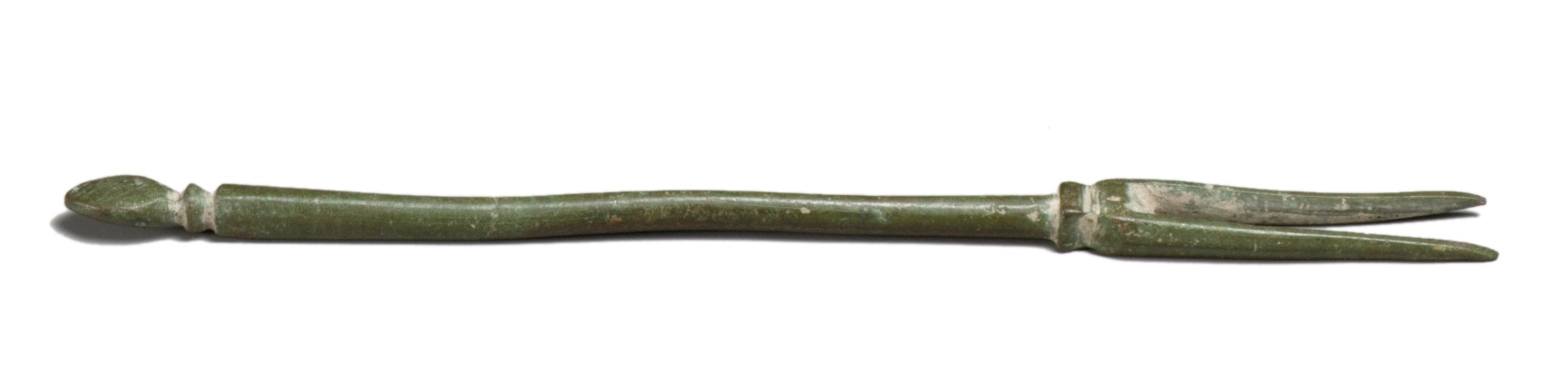
A bronze serving fork. Although the Romans did not use forks to eat, larger forks, like this one, were used to serve the food.
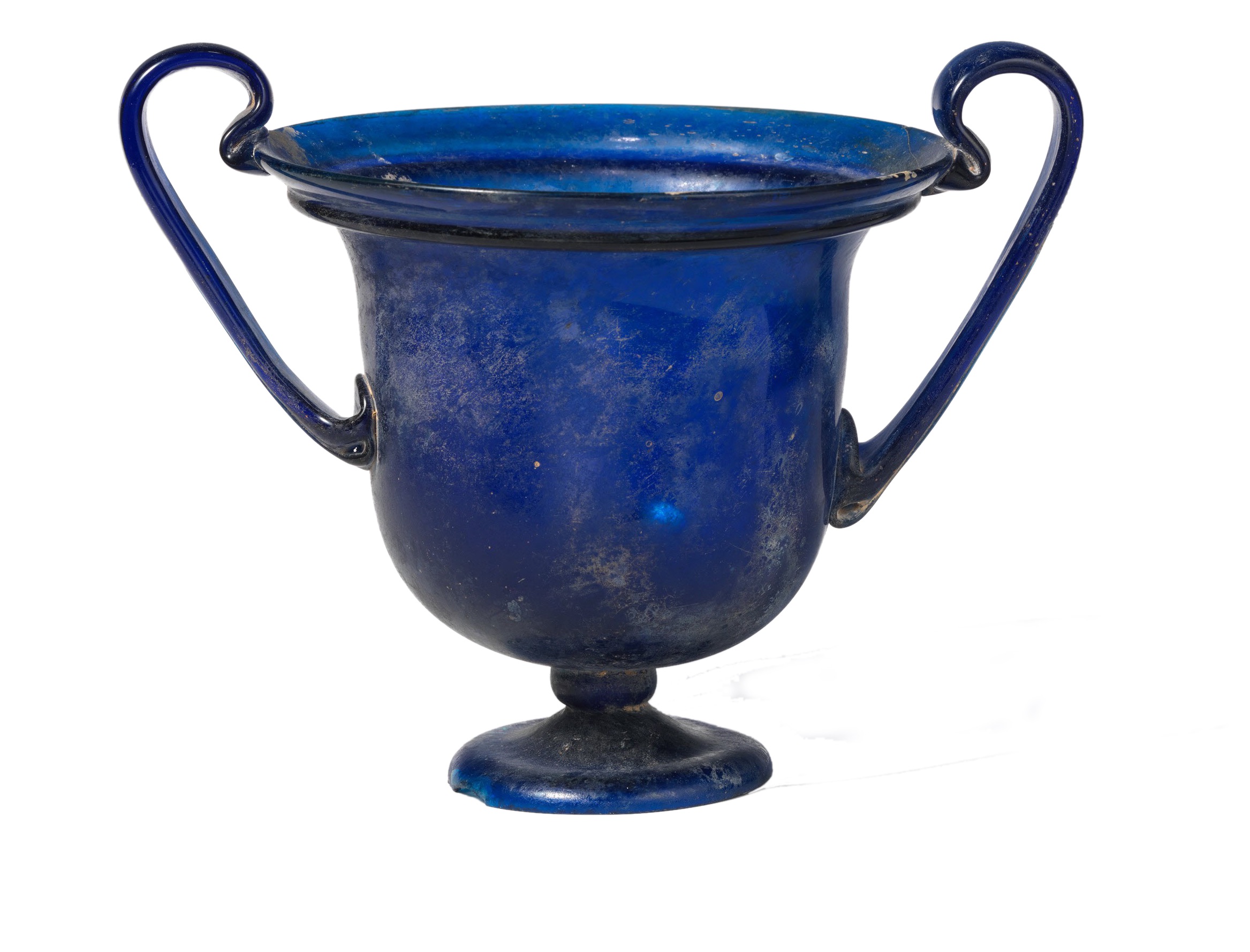
A blue, glass drinking cup.
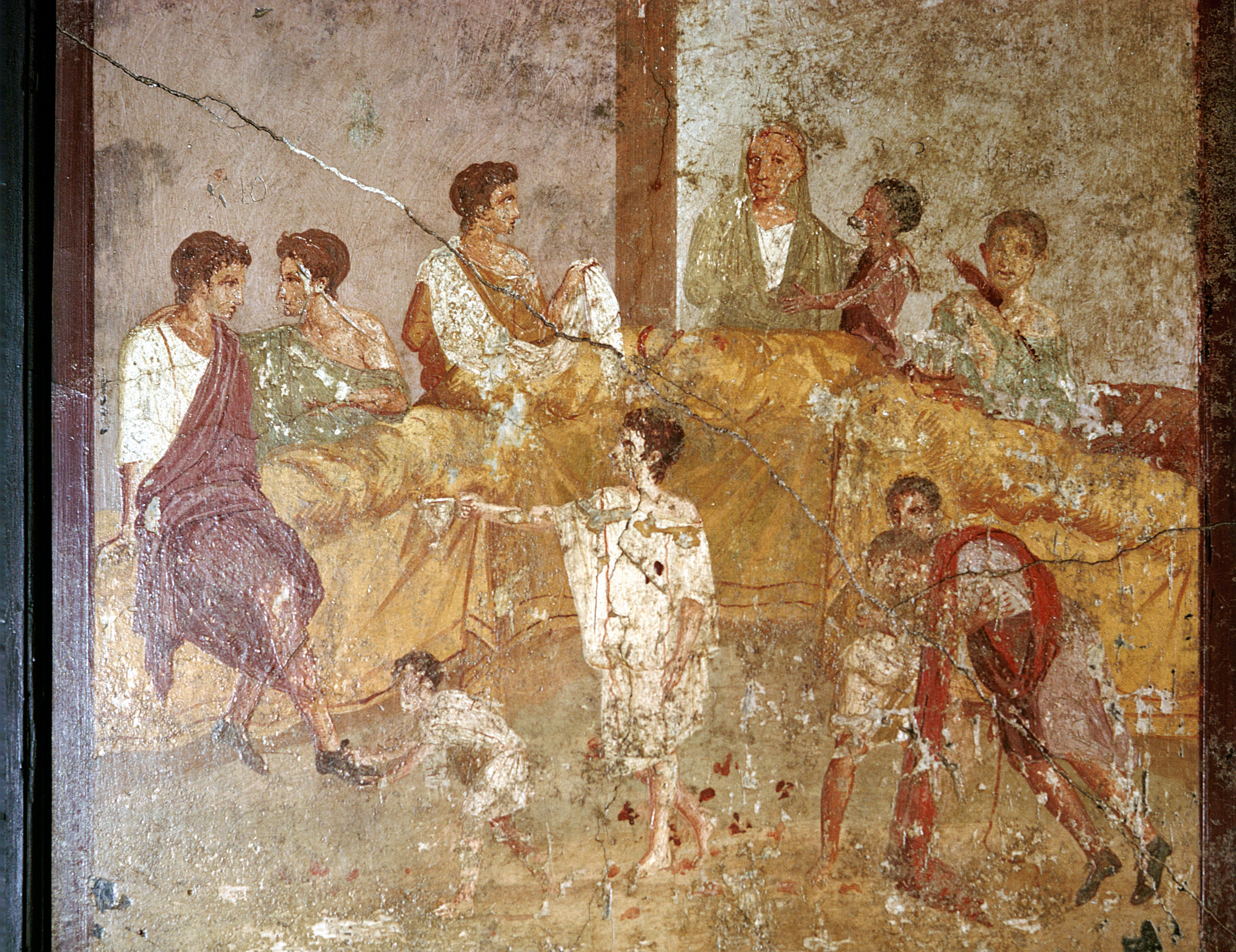
Wall painting with a scene from a dinner party.
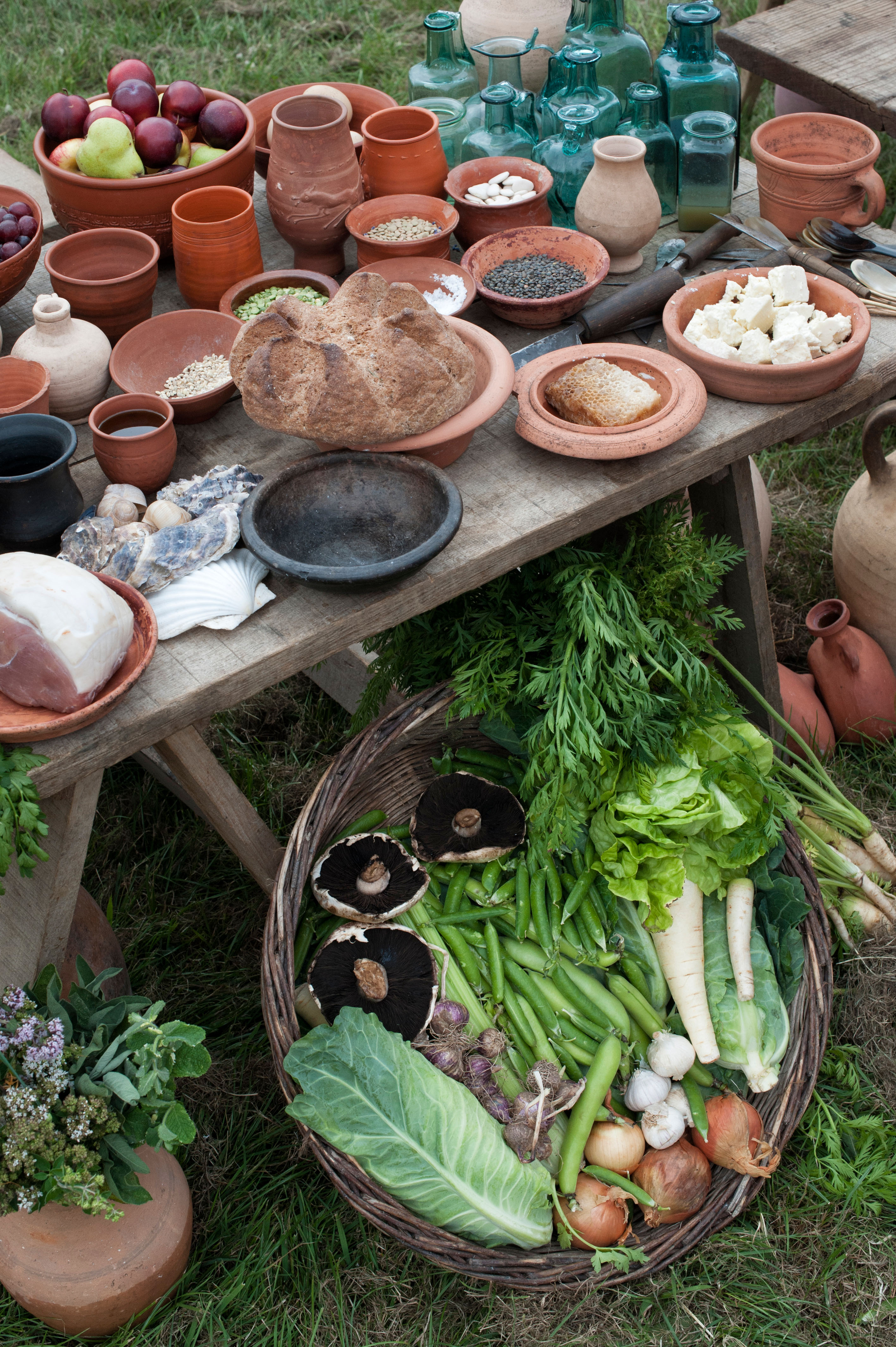
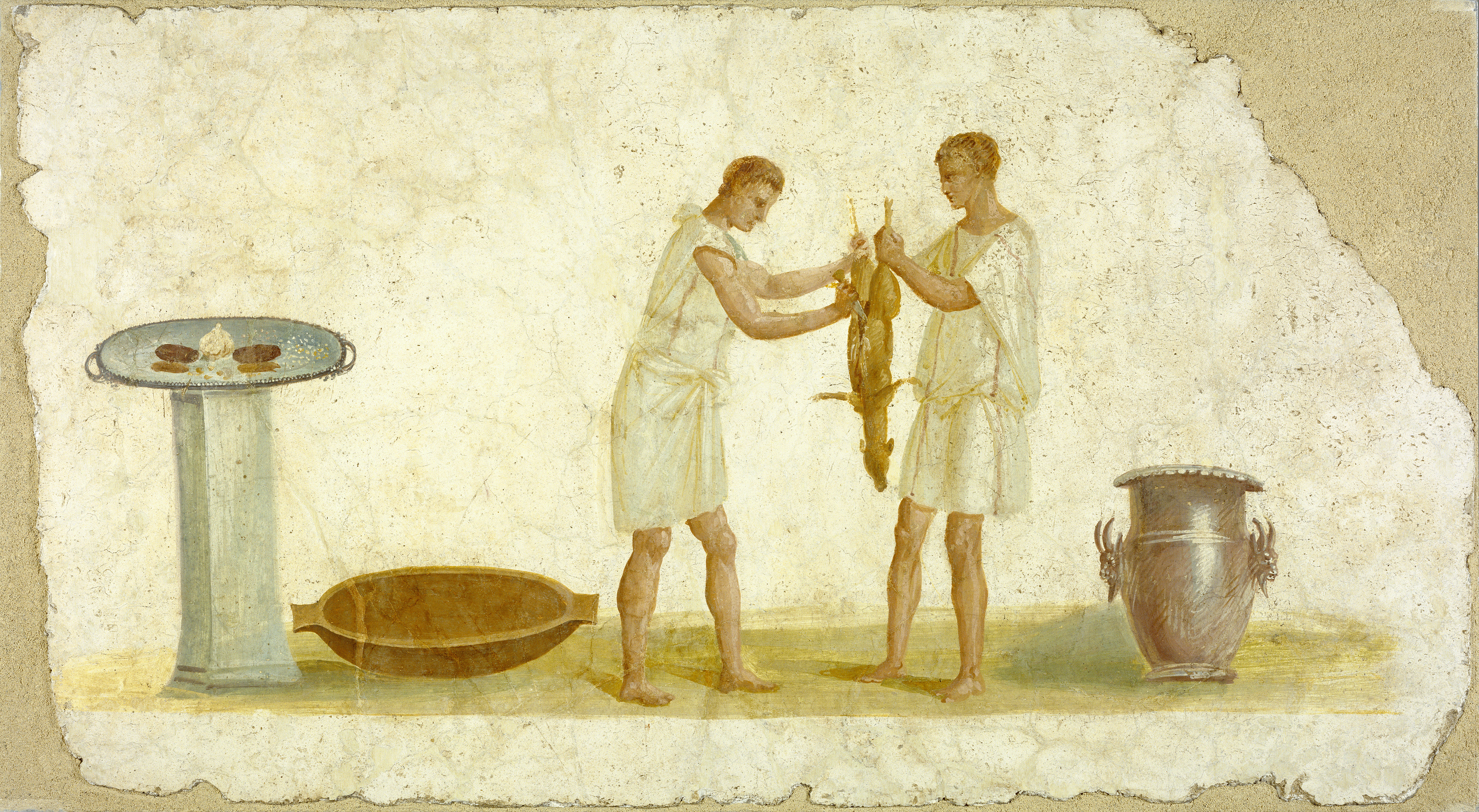
A Roman wall painting showing two men preparing food.

Marius (157–86 bc).

Sulla (c.138–78 bc)
ACTIVITIES AND GAMES (TRACKED)
Autograded translations

Autograded translation:
Language Practice
Chpt 15, Ex. 1 (15.1)
Autograded translation:
Language Practice
Chpt 15, Ex. 2 (15.2)
Sorting
Sorting 15.1:
Positive, comparative, superlative
Sorting 15.2:
Roman dining
Sorting 15.3:
Which course?