
11. MARE
WEBLINKS
IMAGE GALLERY
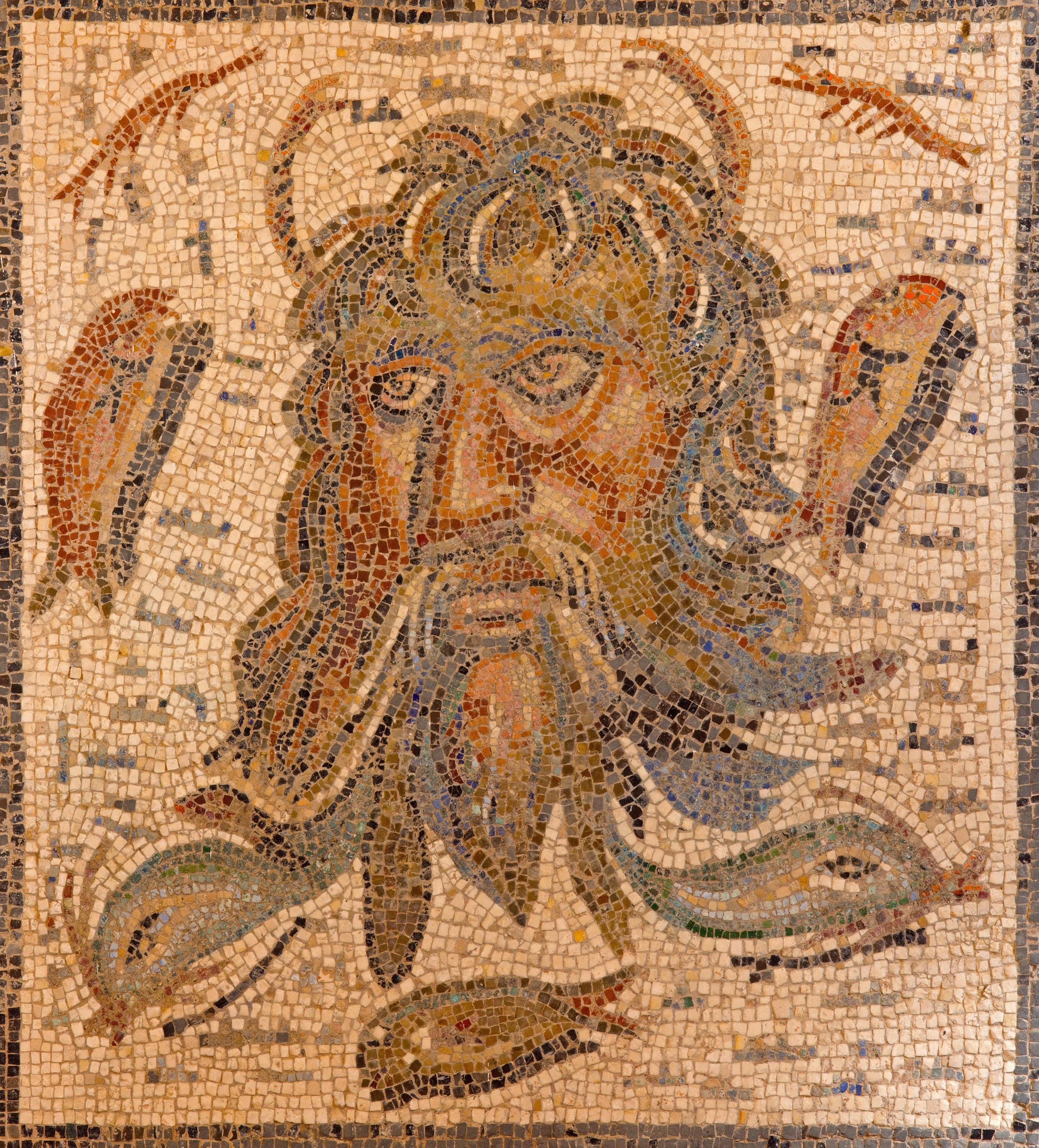
Oceanus was worshipped as a god. In this mosaic he has lobster claws sprouting from his head, while dolphins and other fish are swimming out of his beard. The mosaic was made to decorate the floor of a grand villa in Cordoba, in Spain.
 Neptune (the equivalent of the Greek Poseidon) was the main sea god worshipped by the Romans. His festival, the Neptunalia, was celebrated on 23 July and he had a temple on the Campus Martius in Rome. There were temples and statues of Neptune all over the Empire. For example, this inscription is from a temple in Chichester (Noviomagus) in Britain.

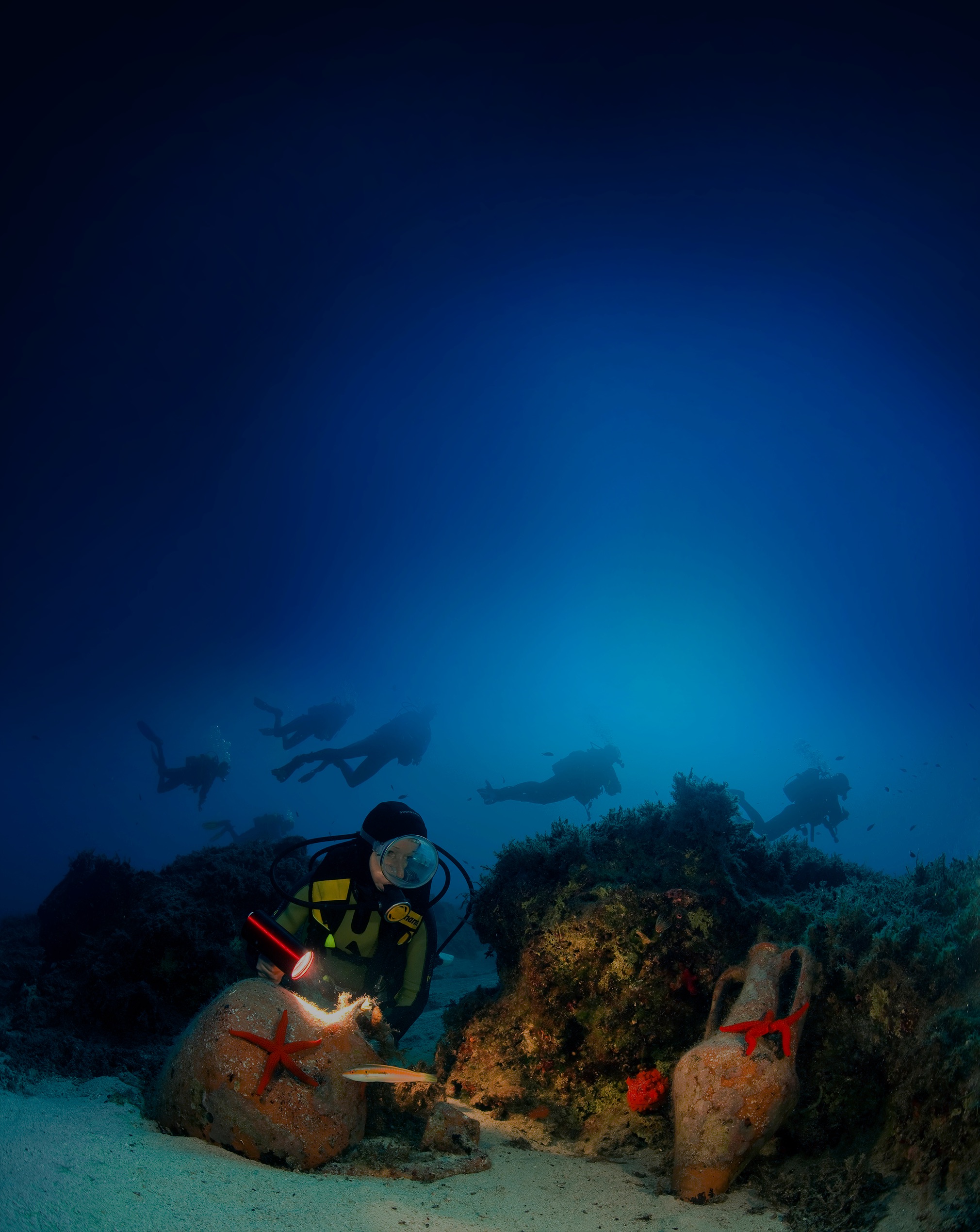
Underwater archaeologists found this statue of Neptune in the River Rhône at Arles (Arelate) in the south of France.
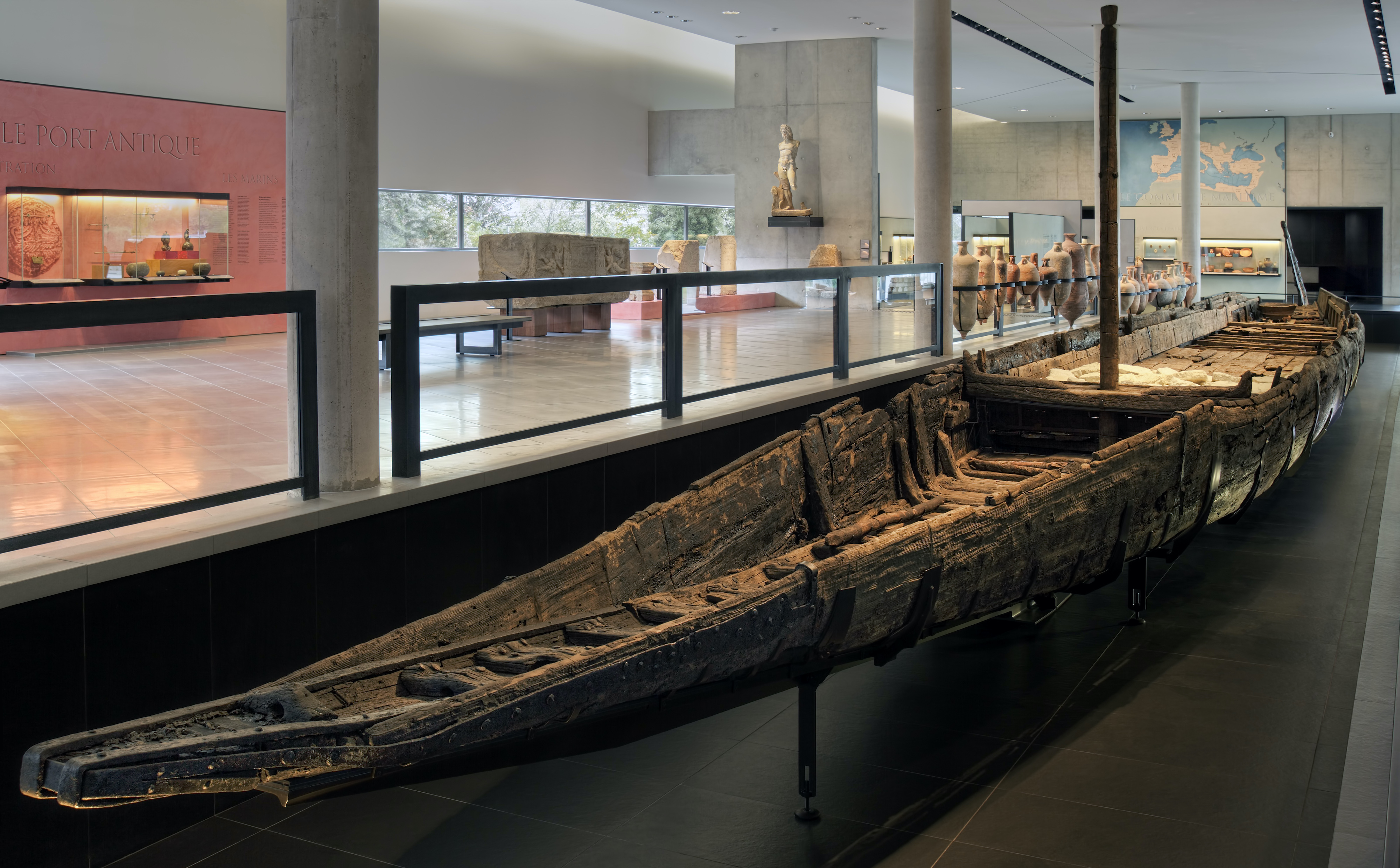
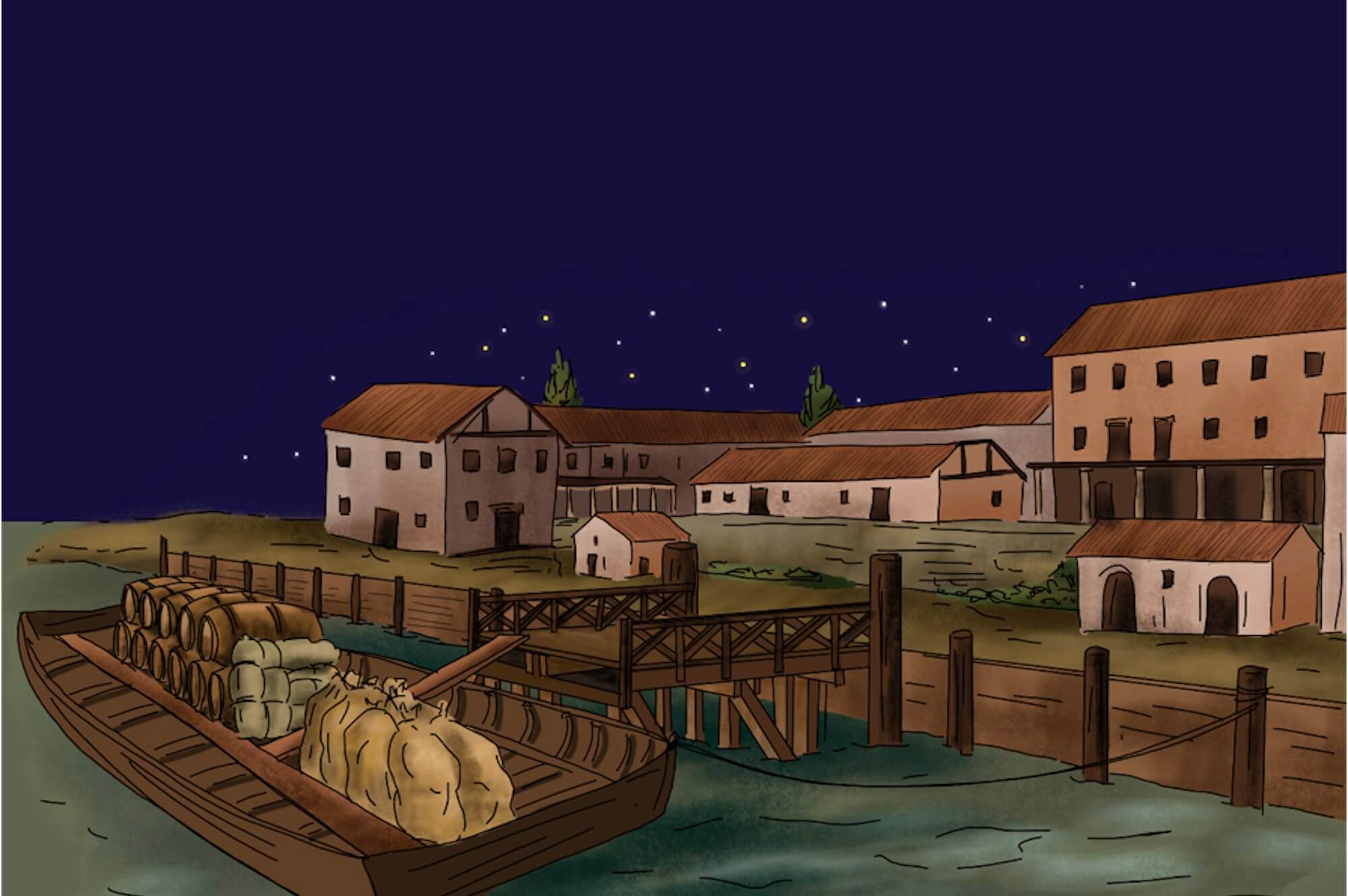
In 2004 archaeologists found a river barge in the mud at the bottom of the River Rhône at Arles in southern France. The boat had sunk with its cargo of building stones from a quarry less than 10 miles north of the town. The mud in the river had protected the boat from decay, but the water had damaged the wood. As a result, the whole boat was soft and spongy, held together only by the water of the river. It would disintegrate if the water evaporated. Conservationists found a solution. They soaked the wood for months in polyethylene glycol, then freeze-dried it. But the barge had to be cut into sections so that it would fit into the freeze-dryers. The whole process took two years.
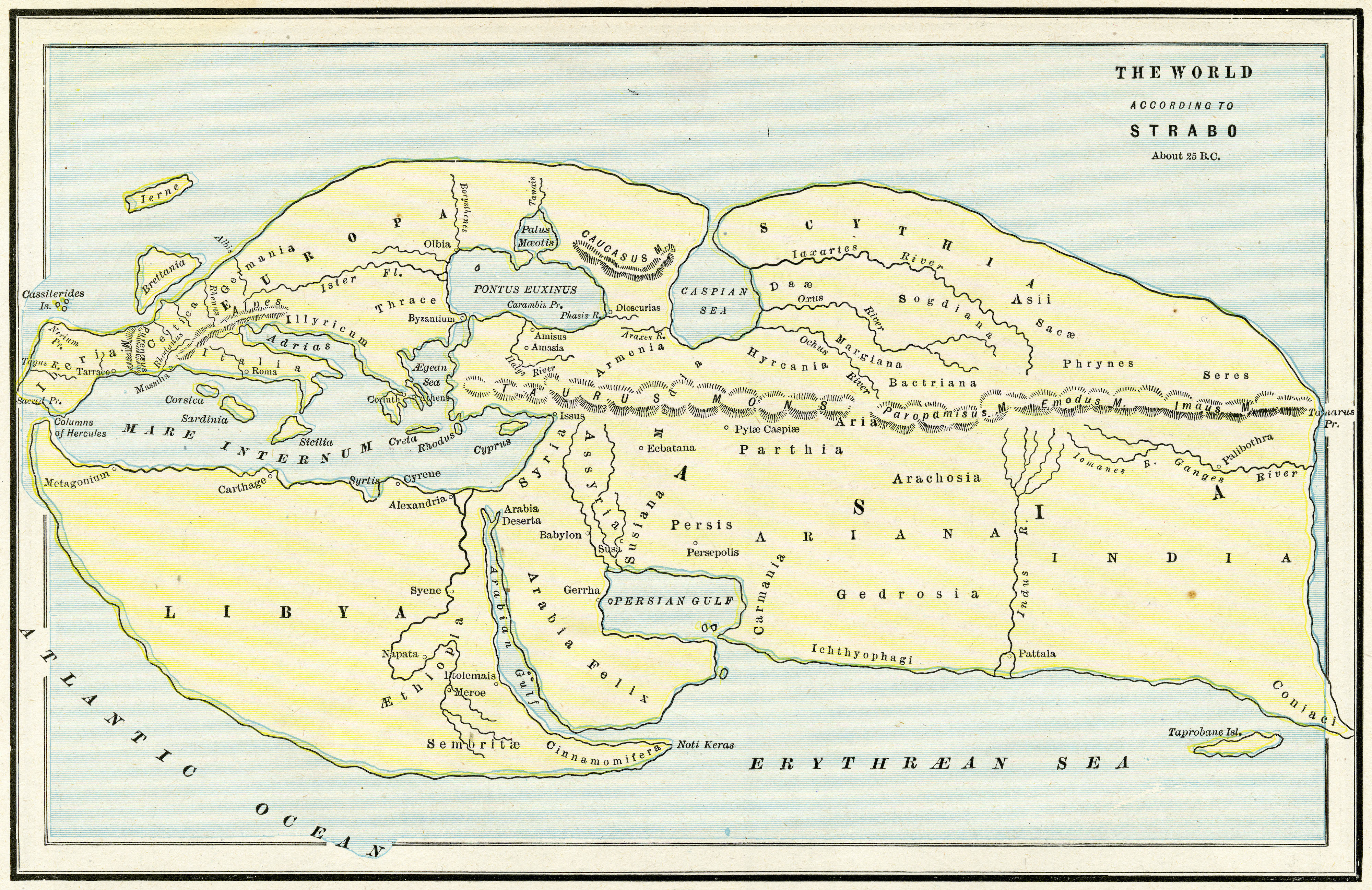
A reconstruction of Strabo’s map of the world, based on his writings.

This mosaic from Sicily is called The Great Hunt. It shows wild African animals being hunted and put onto ships to be taken to Rome.
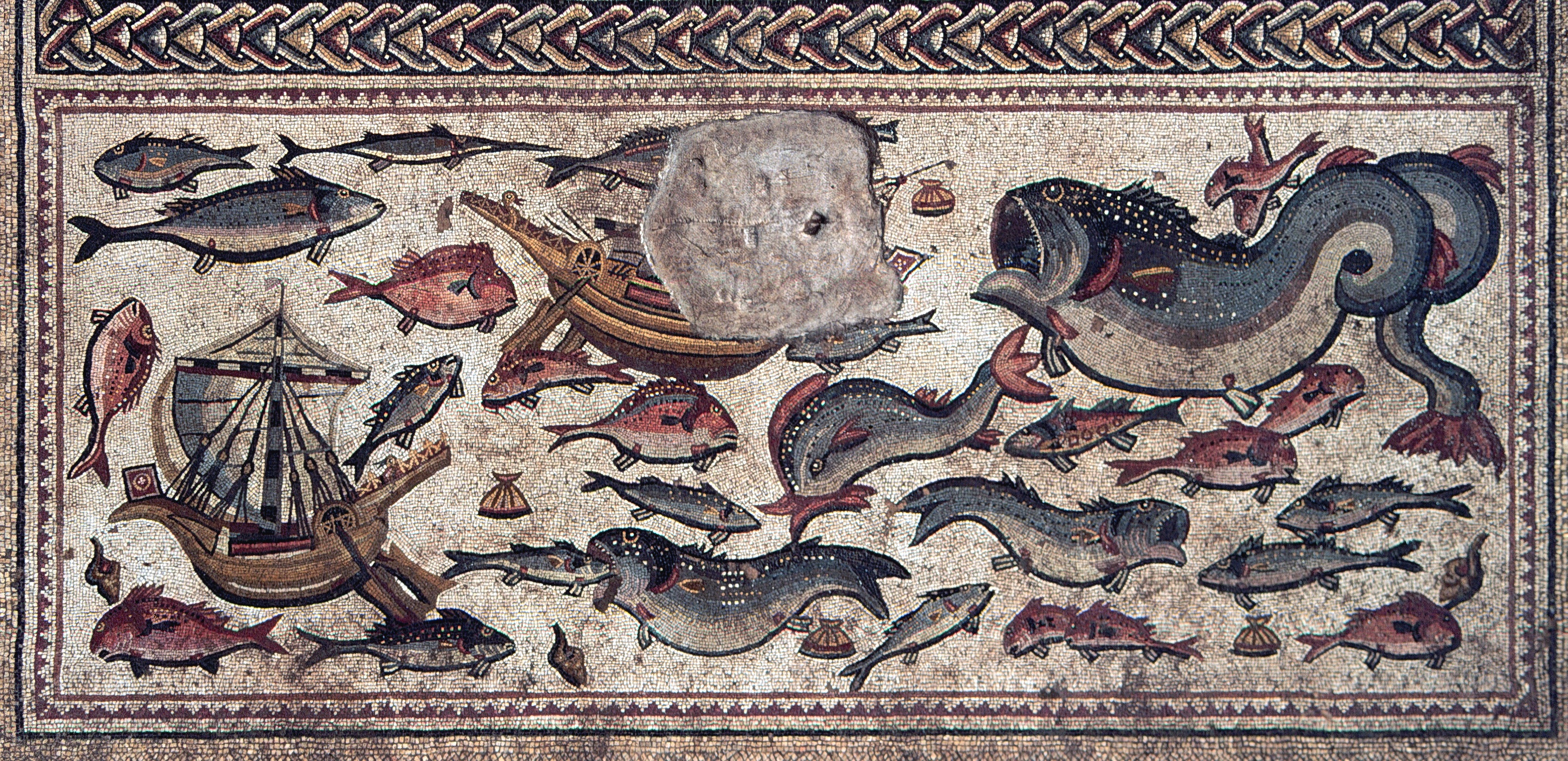
In this mosaic you can see two merchant ships, sea creatures, including a whale and a dolphin, and shells.

This marble bust of Julius Caesar was made in 1514.

Stone portrait of Pompey, 50 bc.

This Roman coin, decorated with the prow of a ship, commemorates the achievements of Pompey the Great.
ACTIVITIES AND GAMES (TRACKED)
Autograded translations

Autograded translation:
Language Practice
Chpt 11, Ex. 1 (11.1)
Autograded translation:
Language Practice
Chpt 11, Ex. 2 (11.2)
Autograded translation:
Language Practice
Chpt 11, Ex. 3 (11.3)