mēns sāna in corpore sānō.
A healthy mind in a healthy body.
Juvenal

5. AQUA
WEBLINKS
IMAGE GALLERY

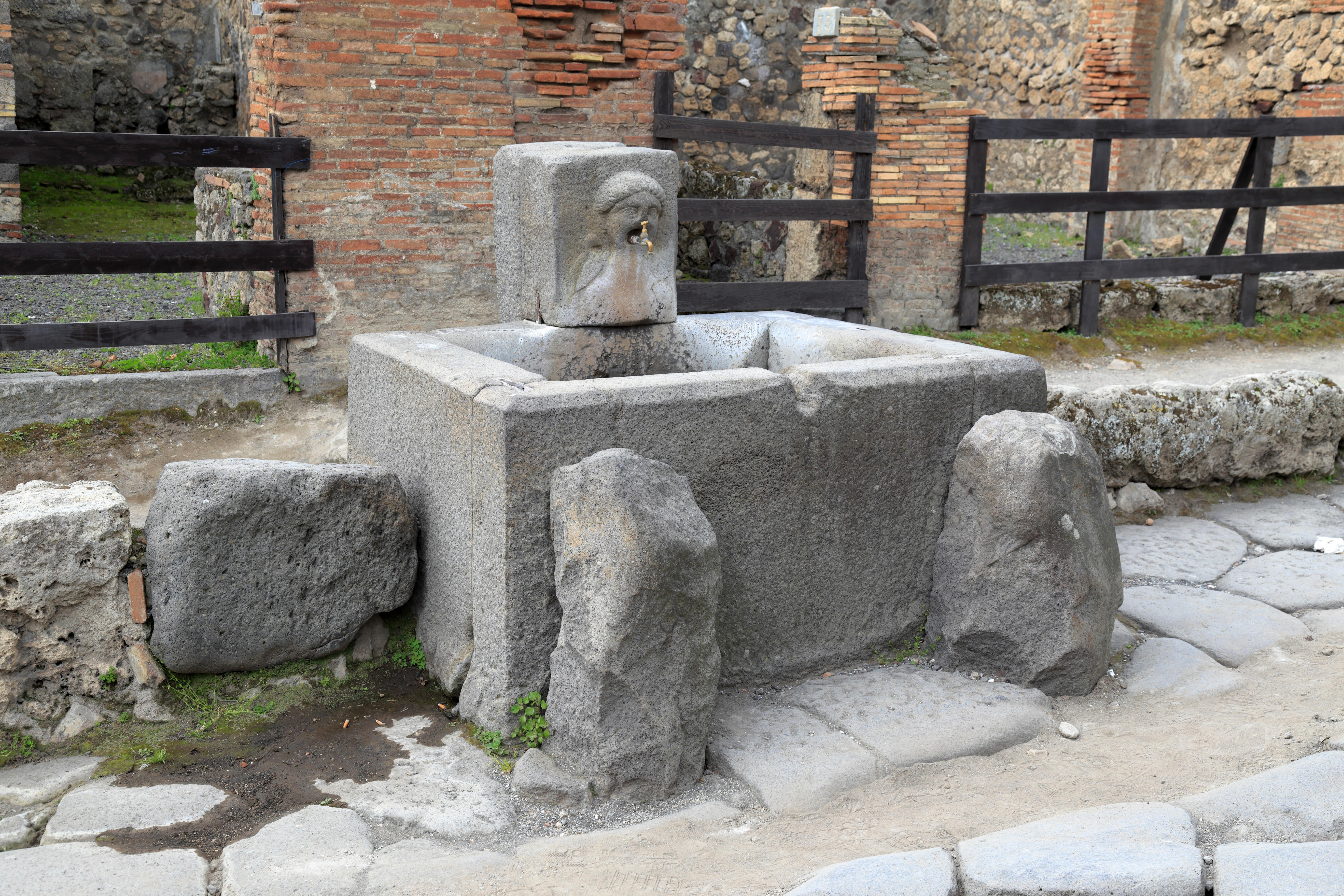 A public water fountain in Pompeii.
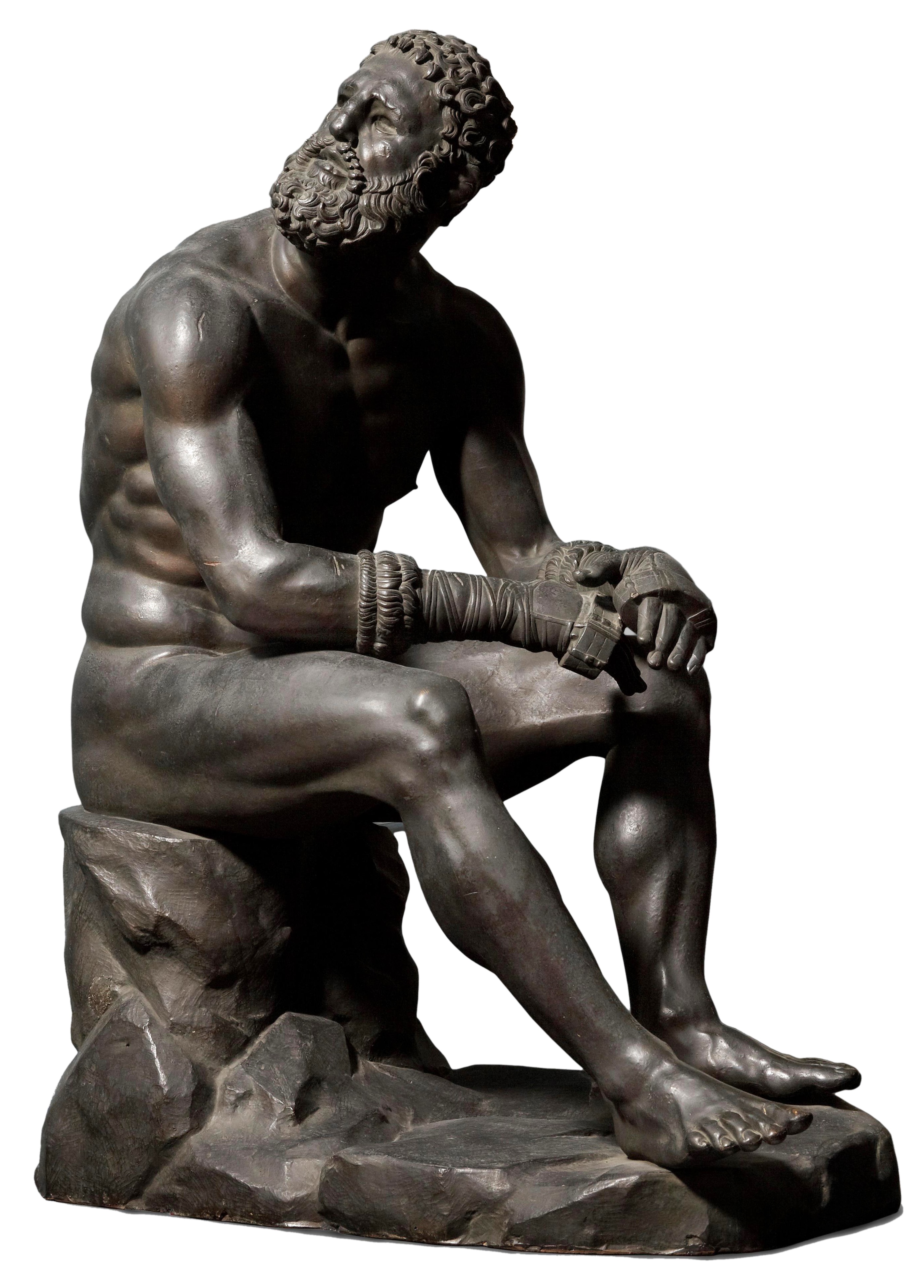
A bronze statue of a boxer. Note the leather boxing gloves on his hands and the realistic portrayal of his battered face after numerous brutal fights.
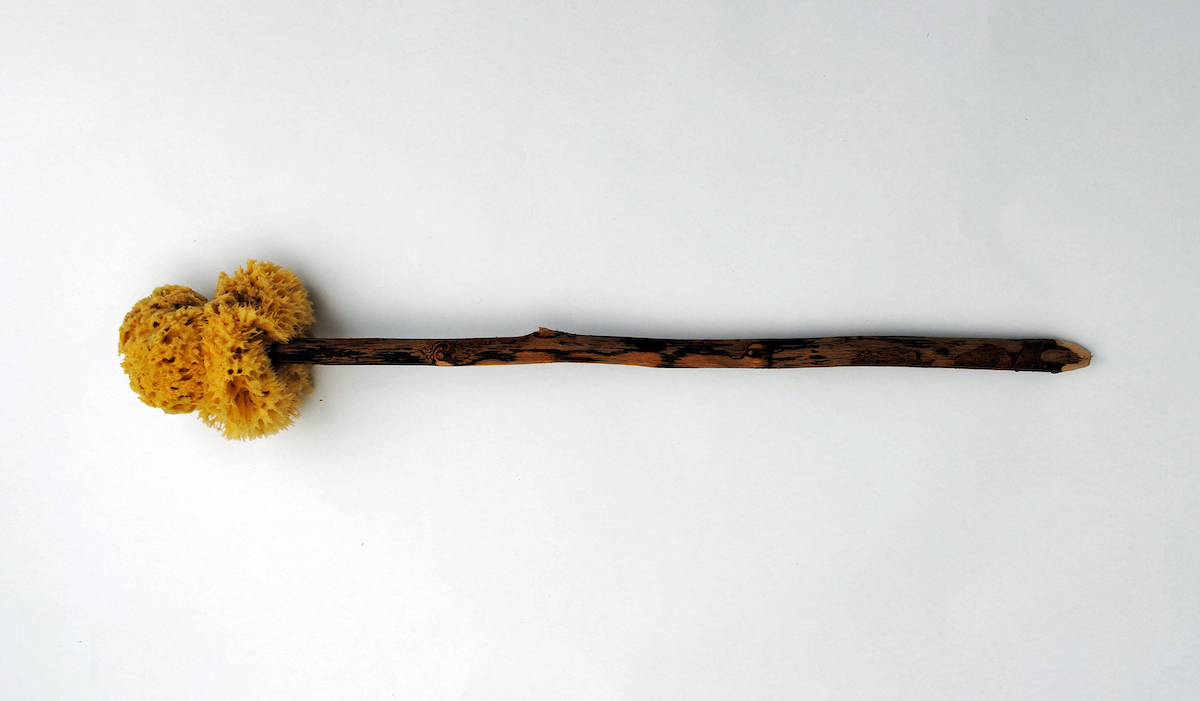
A replica xylospongium, sponge on a stick. It’s not known whether the Romans used it instead of toilet paper, or to clean the toilet itself.
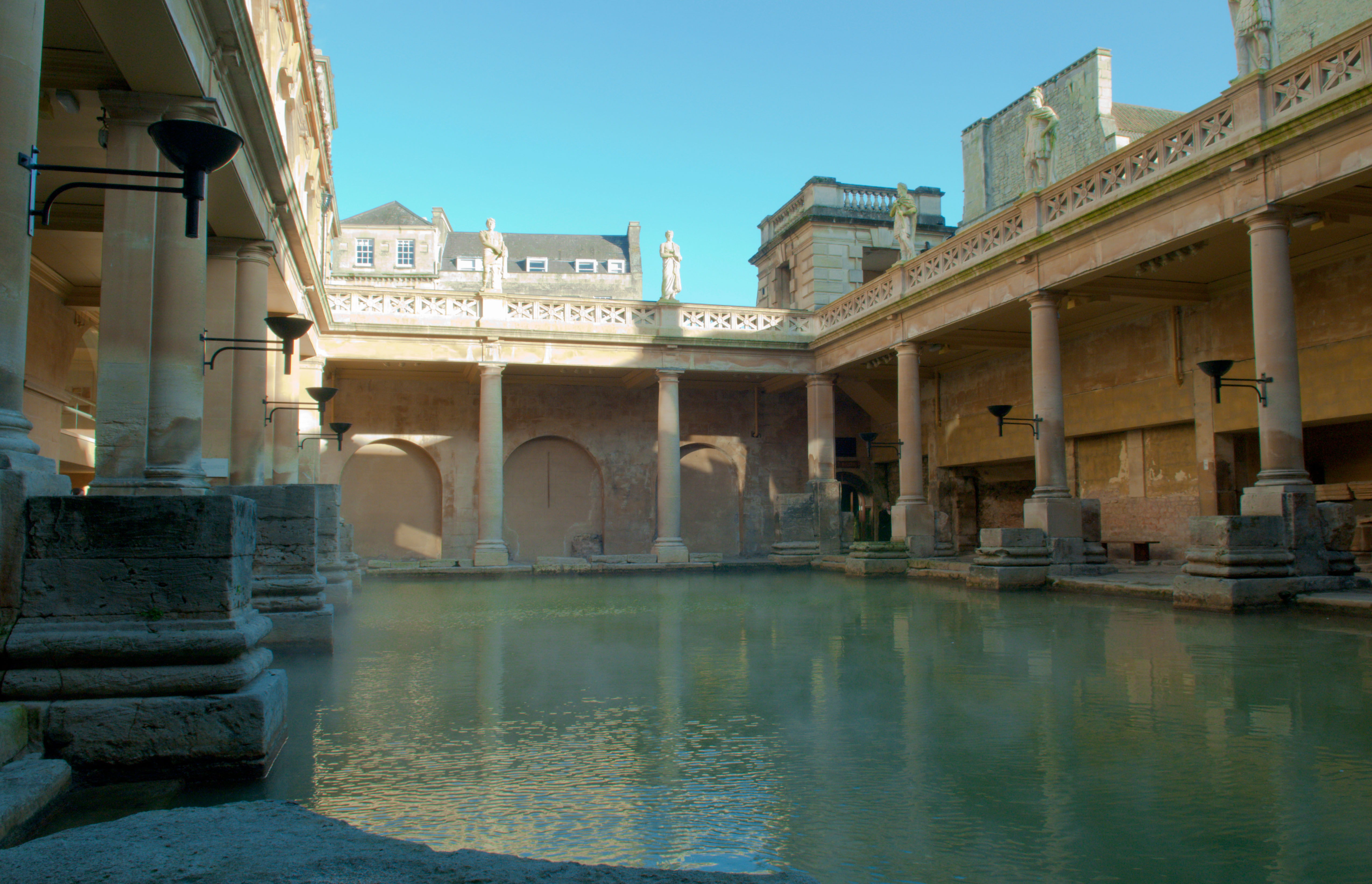
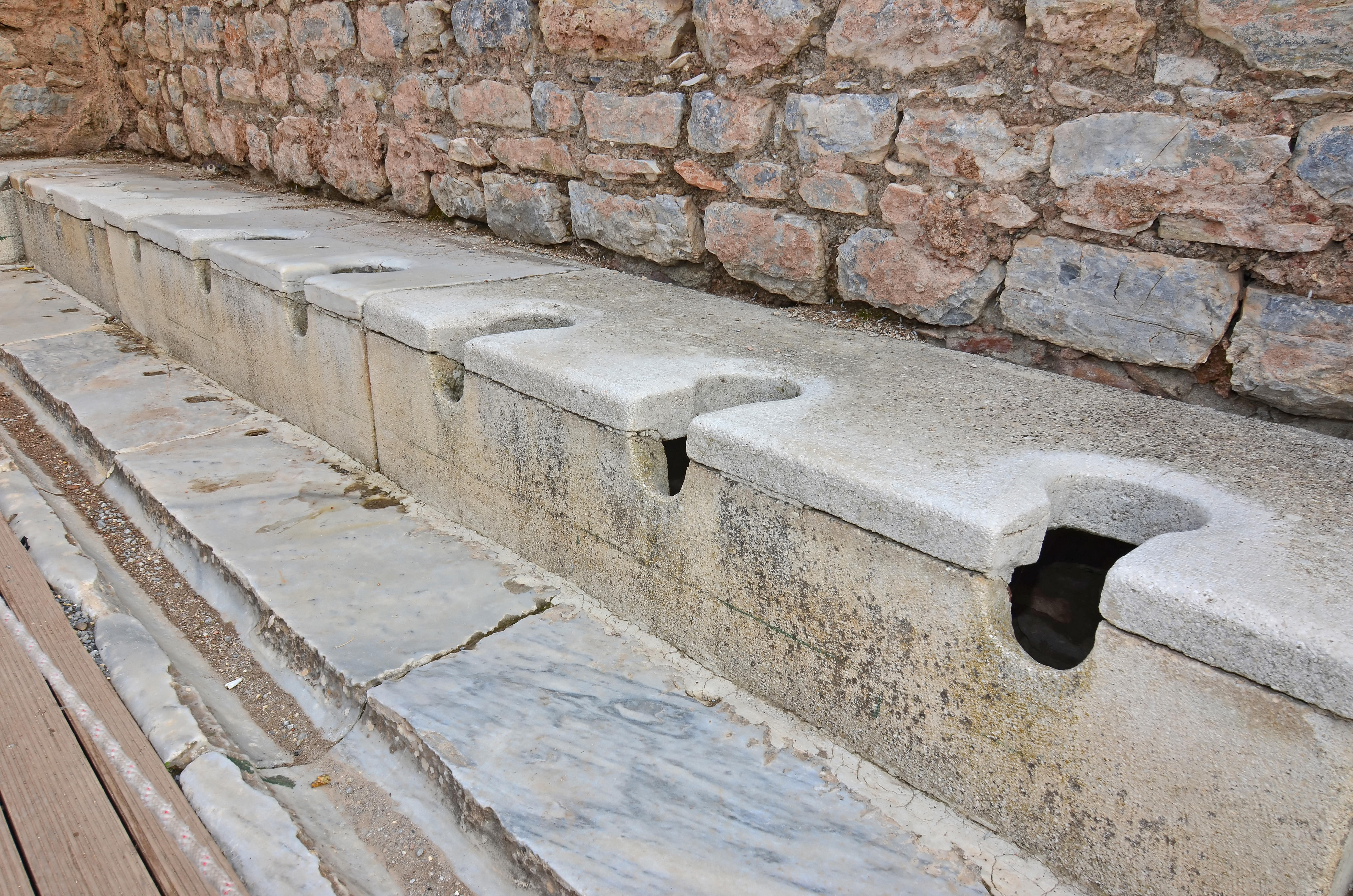
Public toilets had no privacy. People sat next to each other on stone benches arranged in a rectangle or semicircle. Water flowed round their feet in a channel and waste was carried into the sewer.
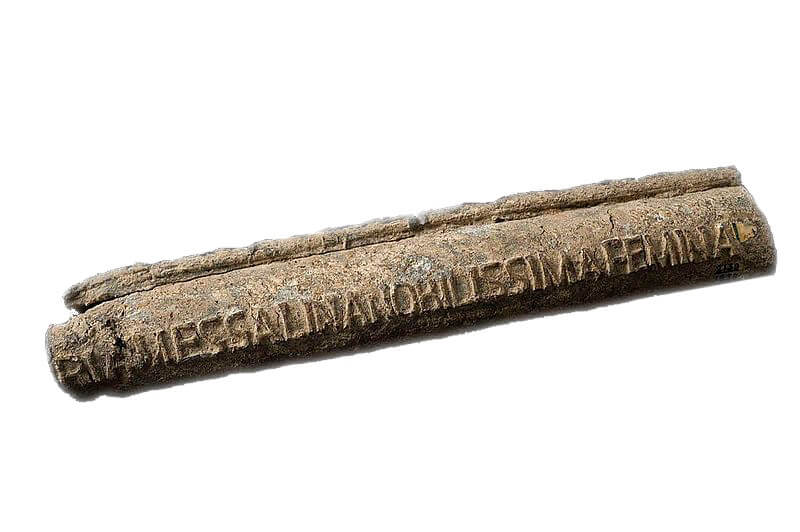
Having water plumbed straight into your house was a luxury few could afford and it was common to find the owner’s name cast into the pipe. This inscription translates as ‘The most notable lady Valeria Messalina’.
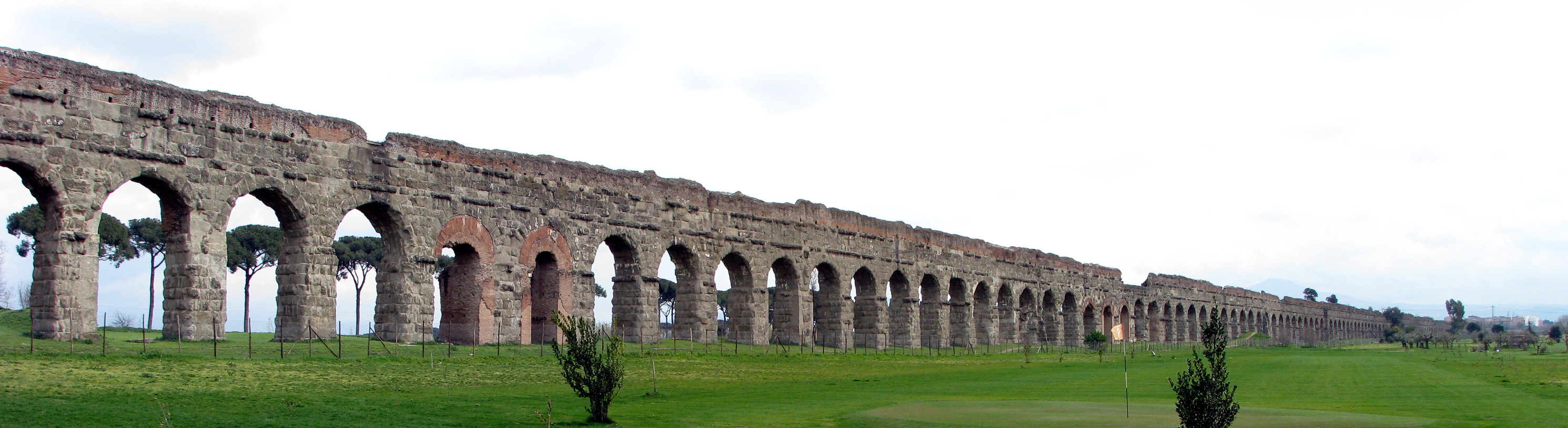
The remains of the Aqua Claudia, which brought water to Rome. It was completed by Emperor Claudius in ad 52. Its total length was about 43 miles.
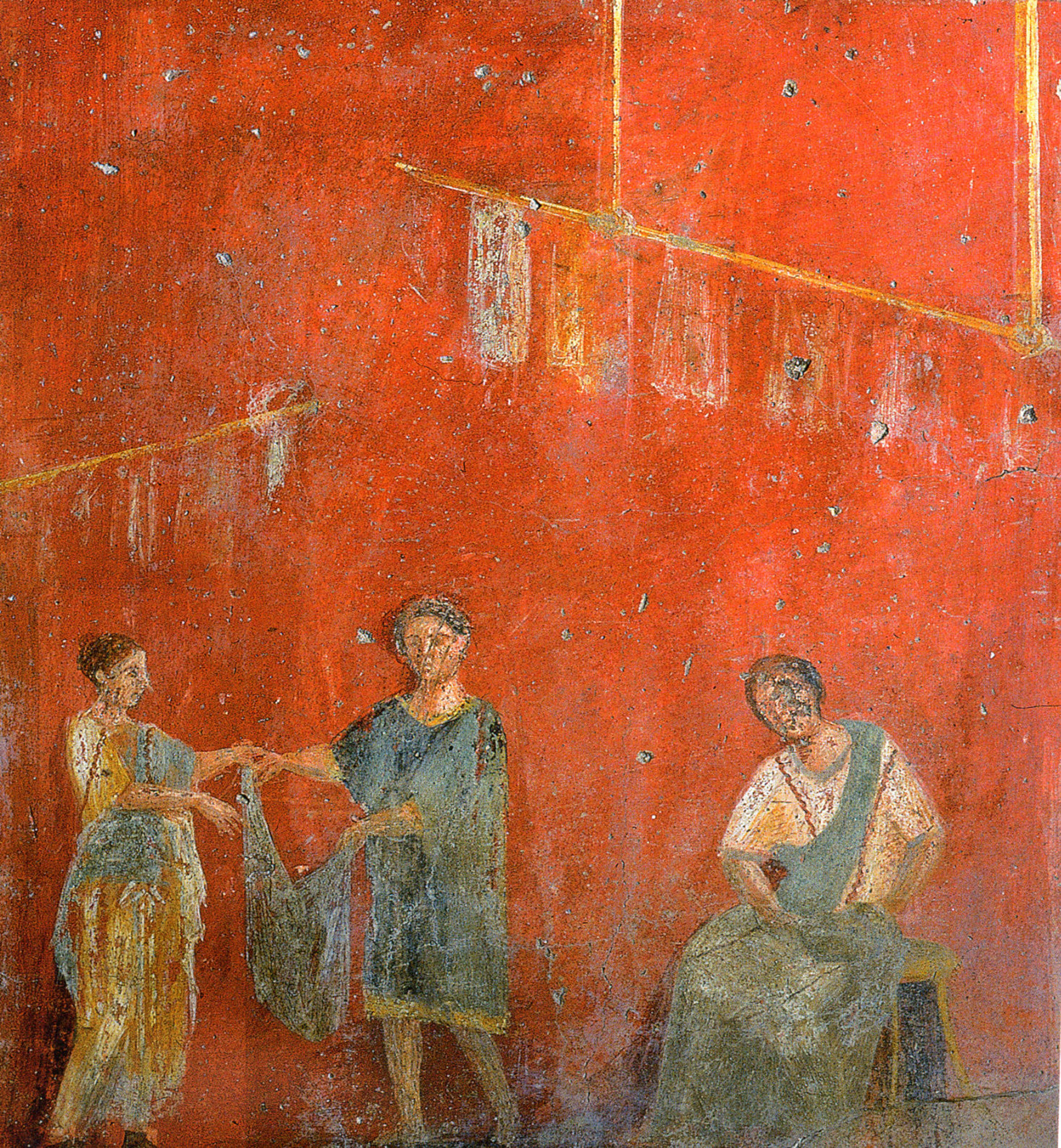
A Roman wall painting showing workers in a laundry, hanging clothes to dry.
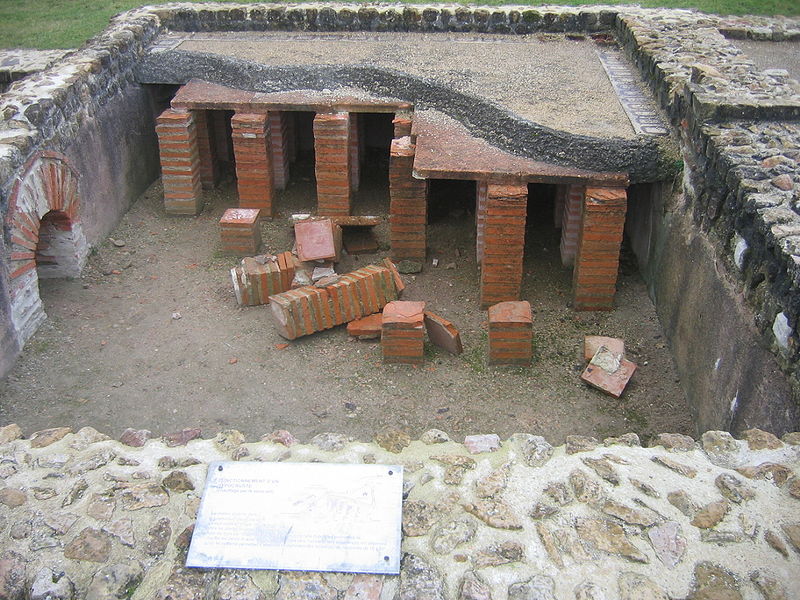
A Roman hypocaust (underfloor heating system). On the left you can see where the hot air would have flowed through from the furnace.
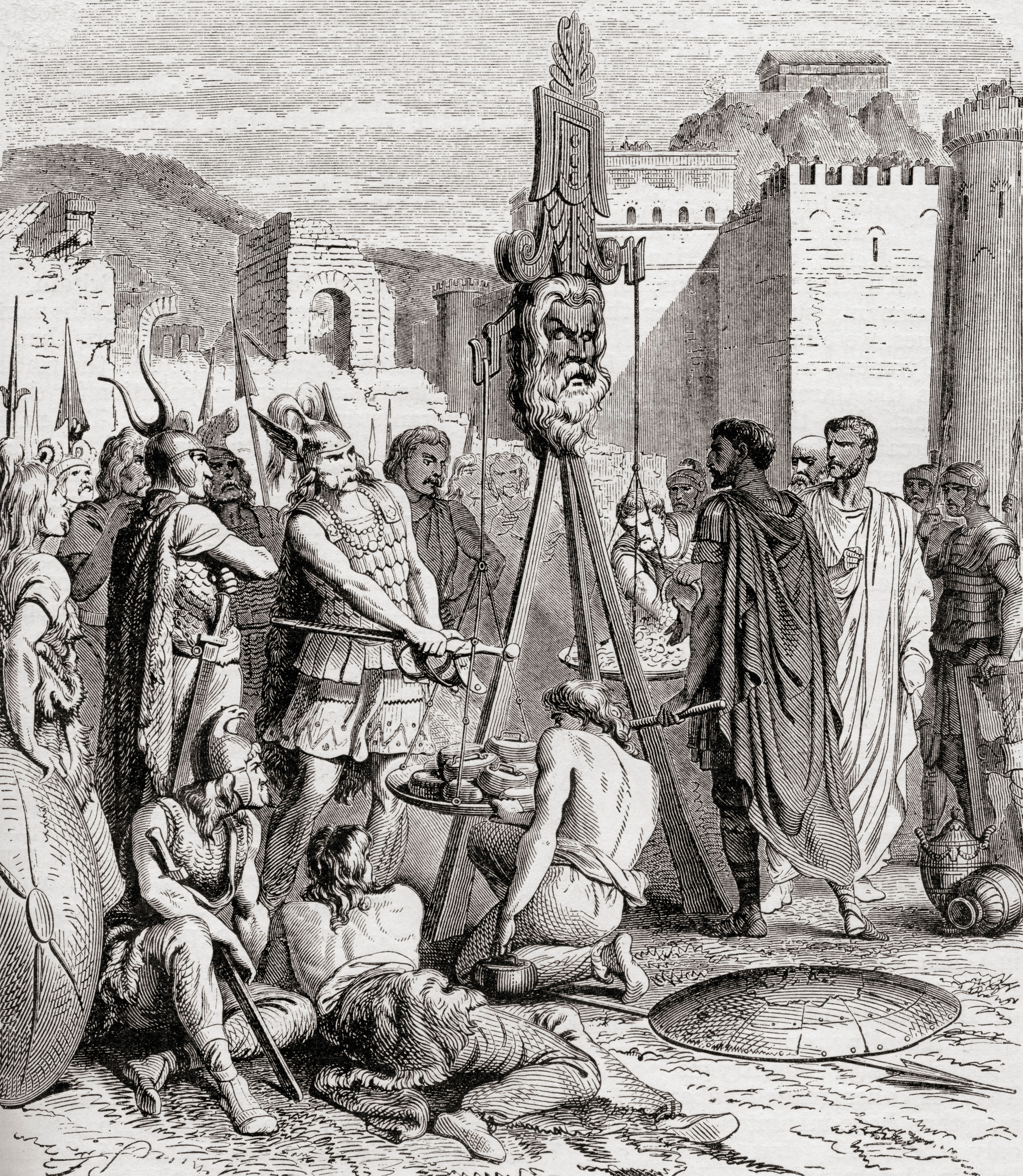
Brennus, the leader of the Gauls, weighs out the spoils.
ACTIVITIES AND GAMES (TRACKED)
Autograded translations

Autograded translation:
Language Practice
Chpt 5, Ex. 1 (5.1)
Autograded translation:
Language Practice
Chpt 5, Ex. 2 (5.2)