4. DEI
WEBLINKS
IMAGE GALLERY
 This Christian funerary monument from ad 313 is decorated with portraits of the early Christians Peter and Paul, who lived in the first century ad.
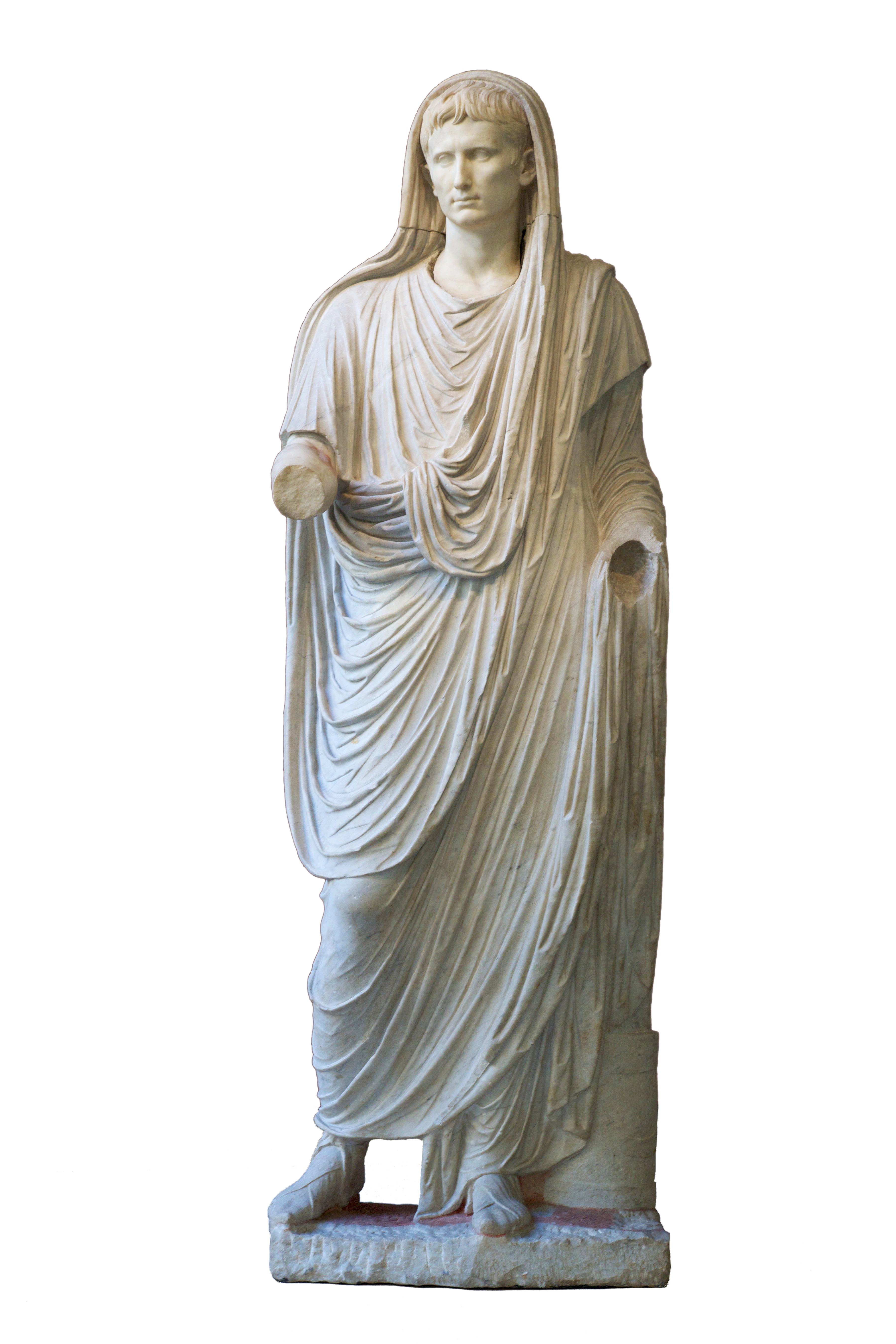
This statue shows Emperor Augustus in his ceremonial robes as the Chief Priest (pontifex maximus). From Augustus’ time onwards, the emperor took on the role of Pontifex Maximus, putting him in charge of all religious worship in the Empire.
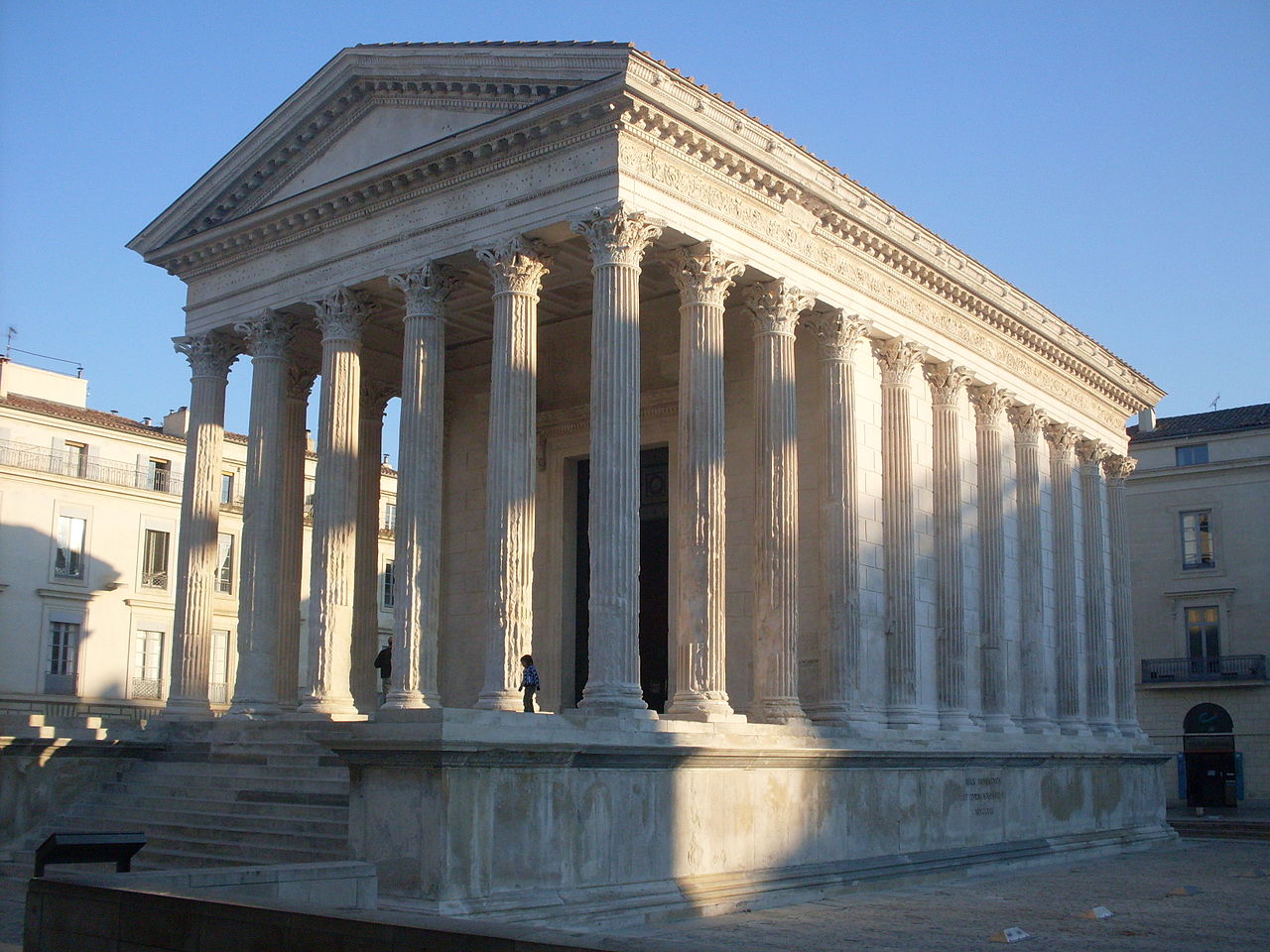
Remains of a Roman temple in Nîmes, France. You can see clearly where the inner part of the temple would be closed off. The Romans believed emperors became gods after they died, and they were worshipped along with other gods. This temple was dedicated to the imperial family.
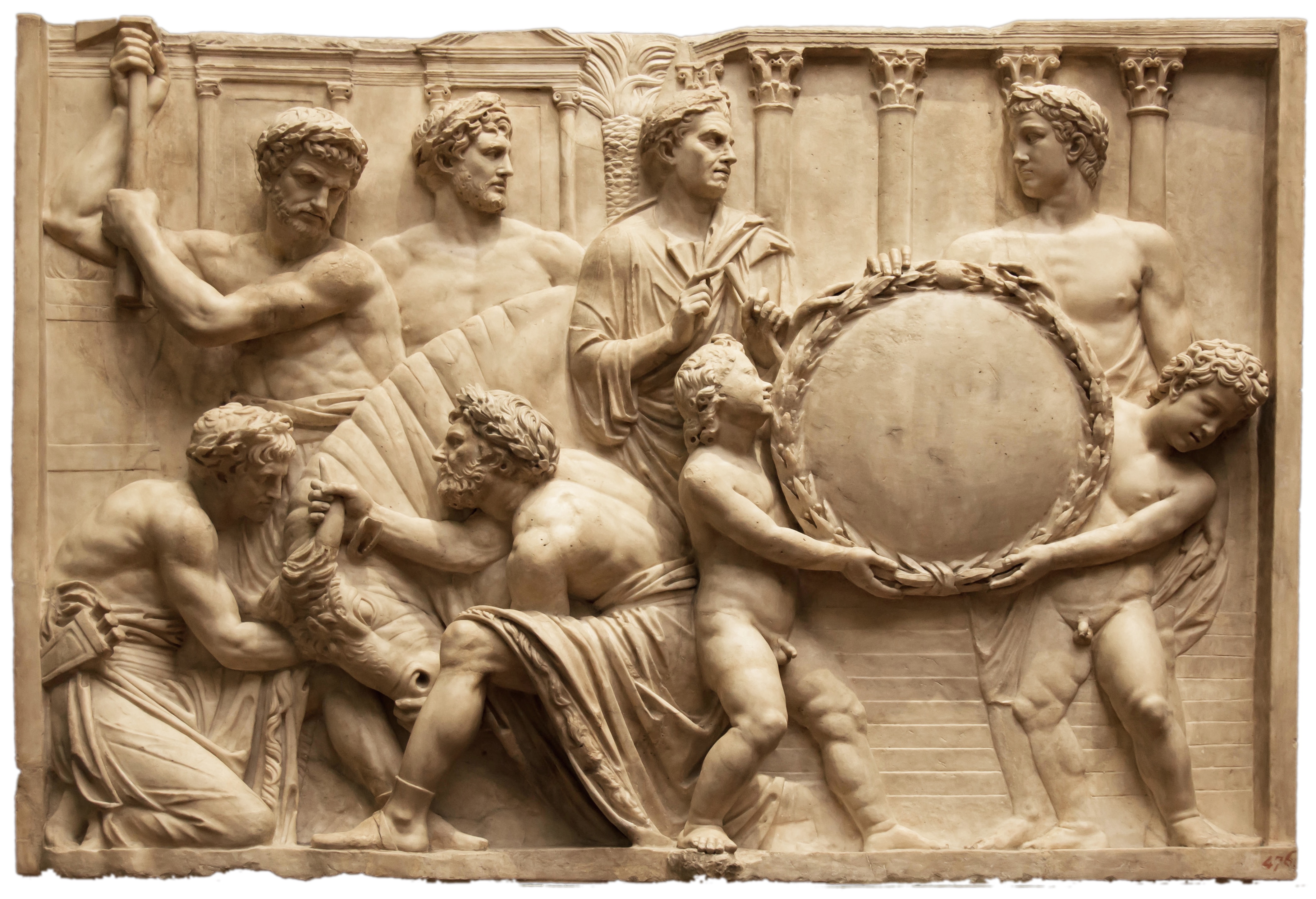
Roman relief showing a bull being sacrificed.
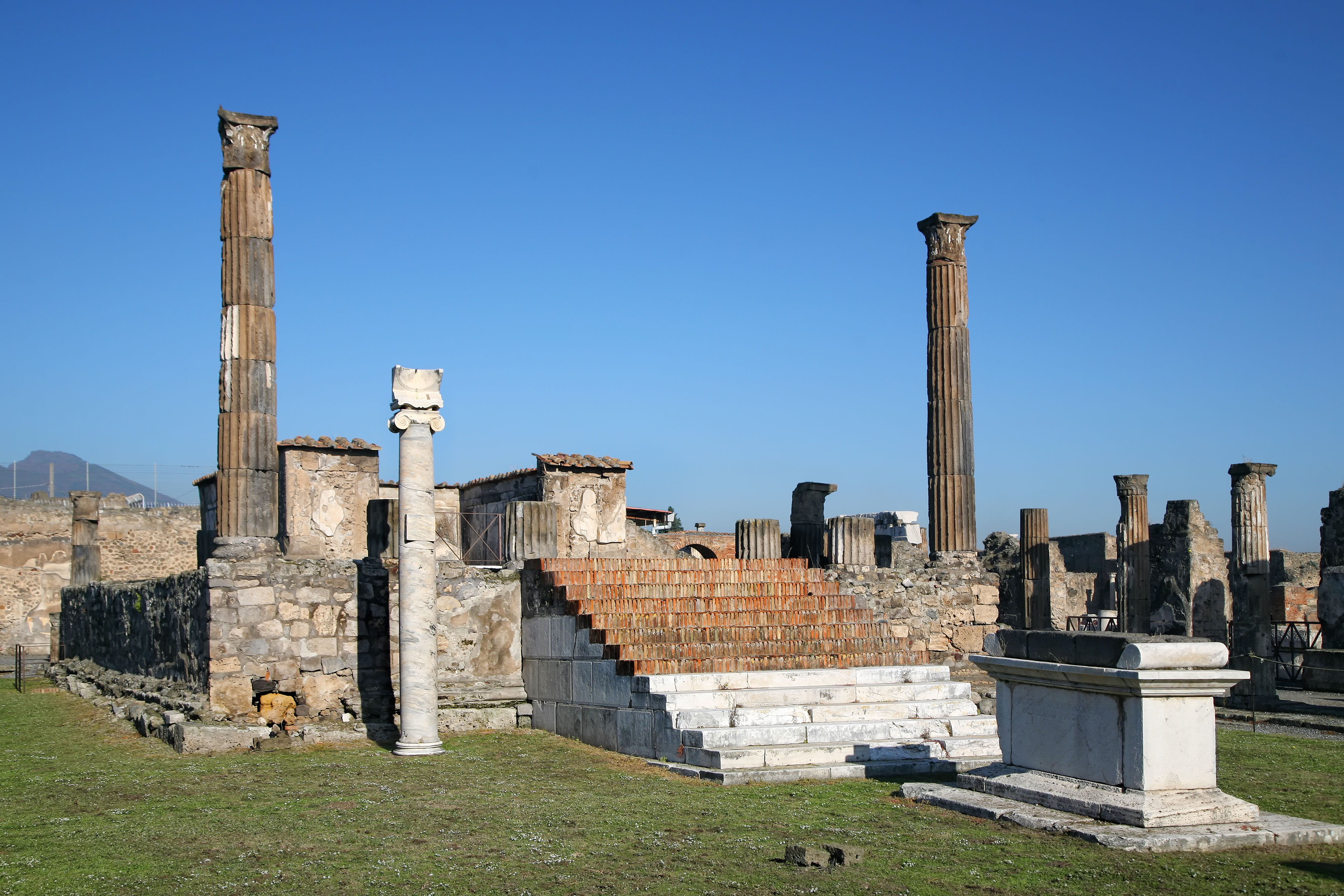
The remains of the Temple of Apollo in Pompeii. At the bottom of the steps leading up to the temple there is an altar, where sacrifices were made.
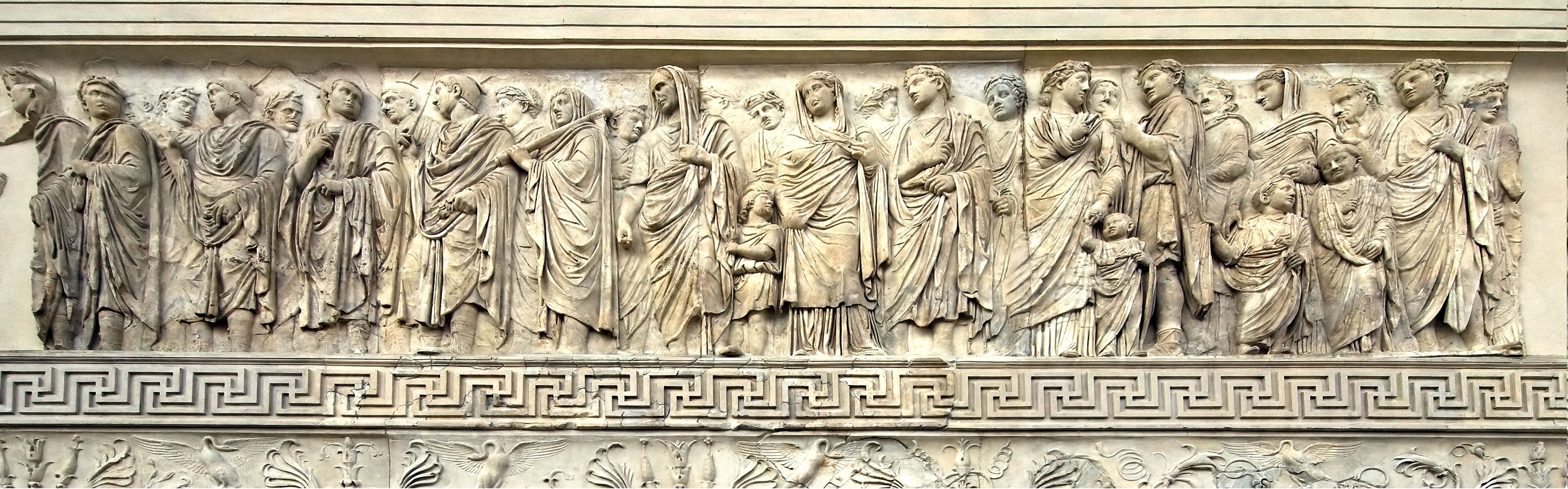
A religious procession from the Ara Pacis.
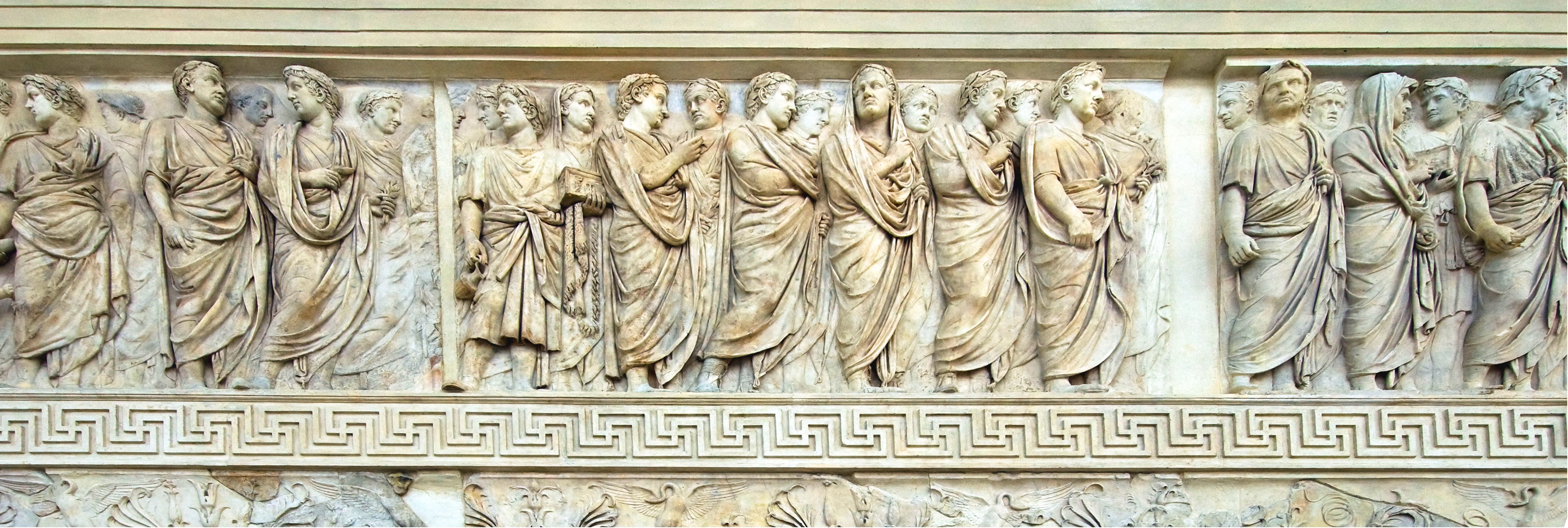
A religious procession from the Ara Pacis.
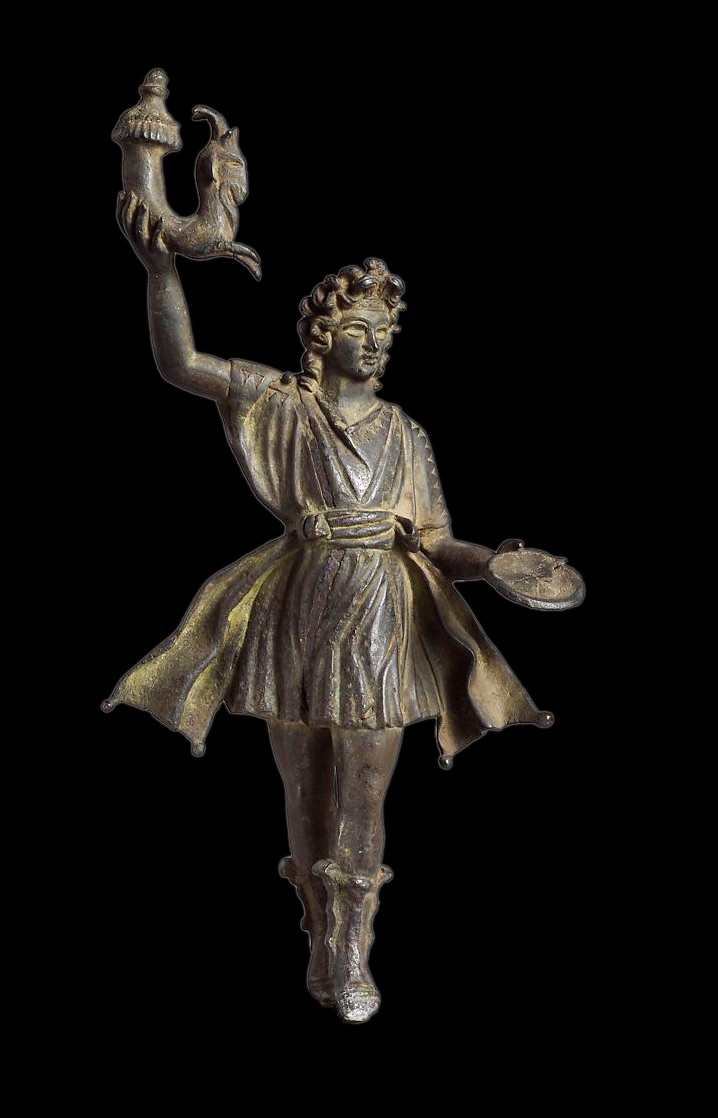
A statuette of a household god (Lar) made from bronze, about 25 cm high.
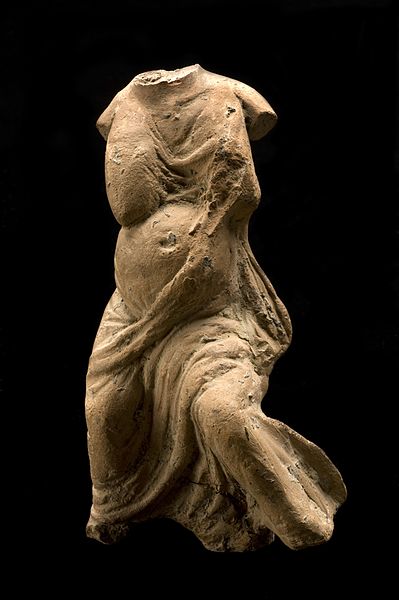
Votive offering of a pregnant woman. Votive offerings were given to the gods in the hope of help (often to cure an illness) or as thanks for a service rendered. This pregnant female terracotta figure suggests that a woman might have made the offering to pray for the safe delivery of her baby.
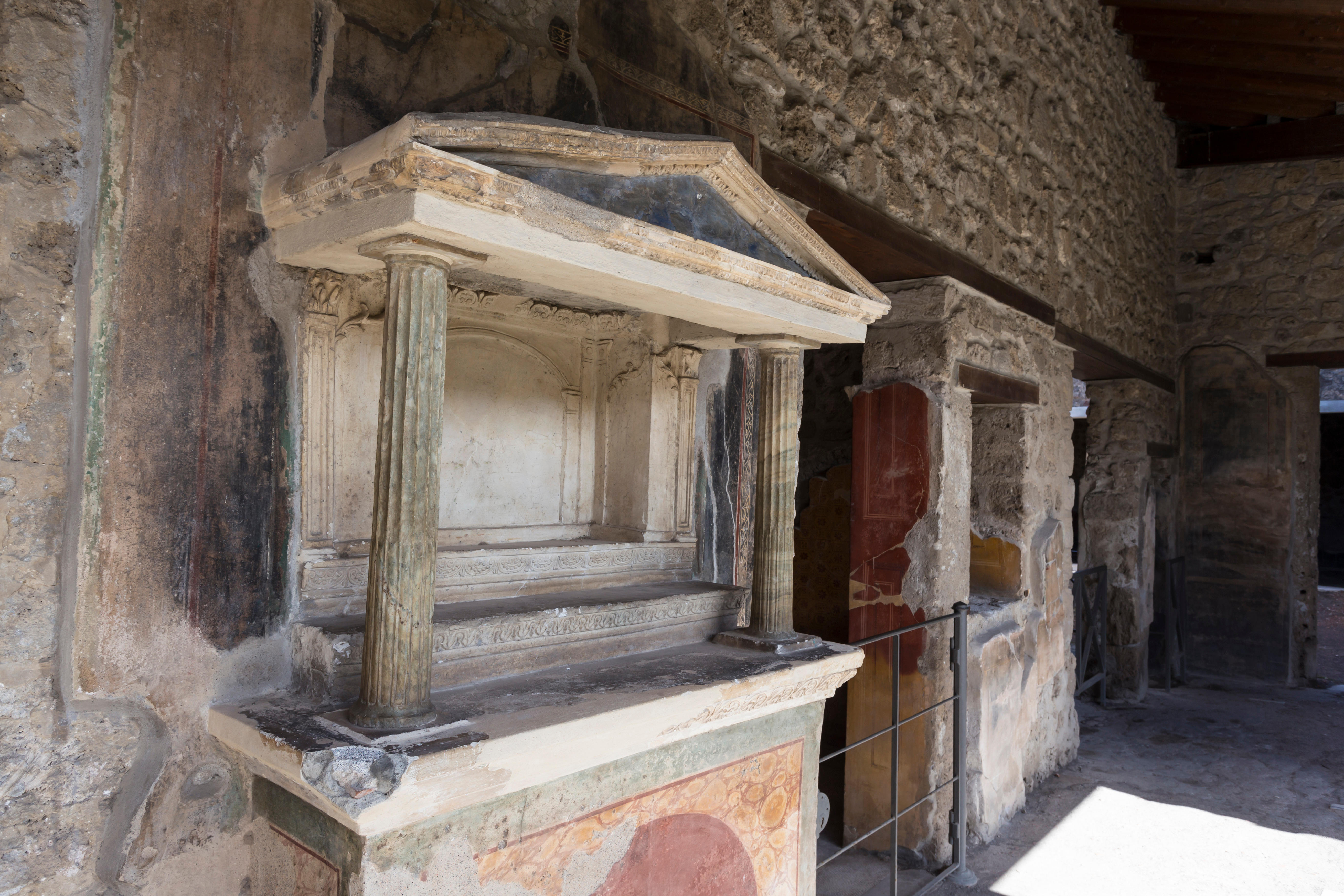
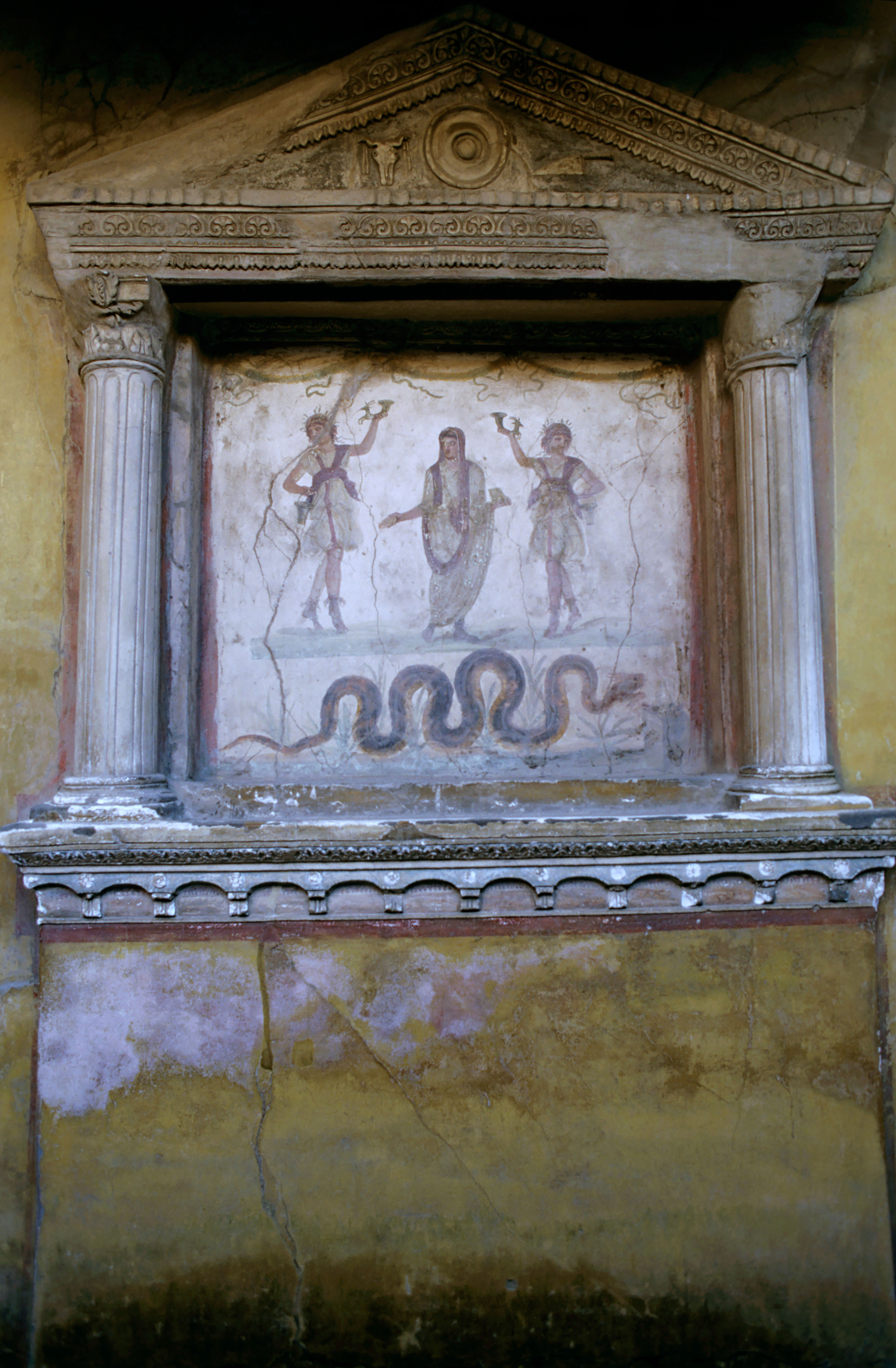
A shrine to the household gods (larārium) from a house in Pompeii. A Roman household would have its own lararium.