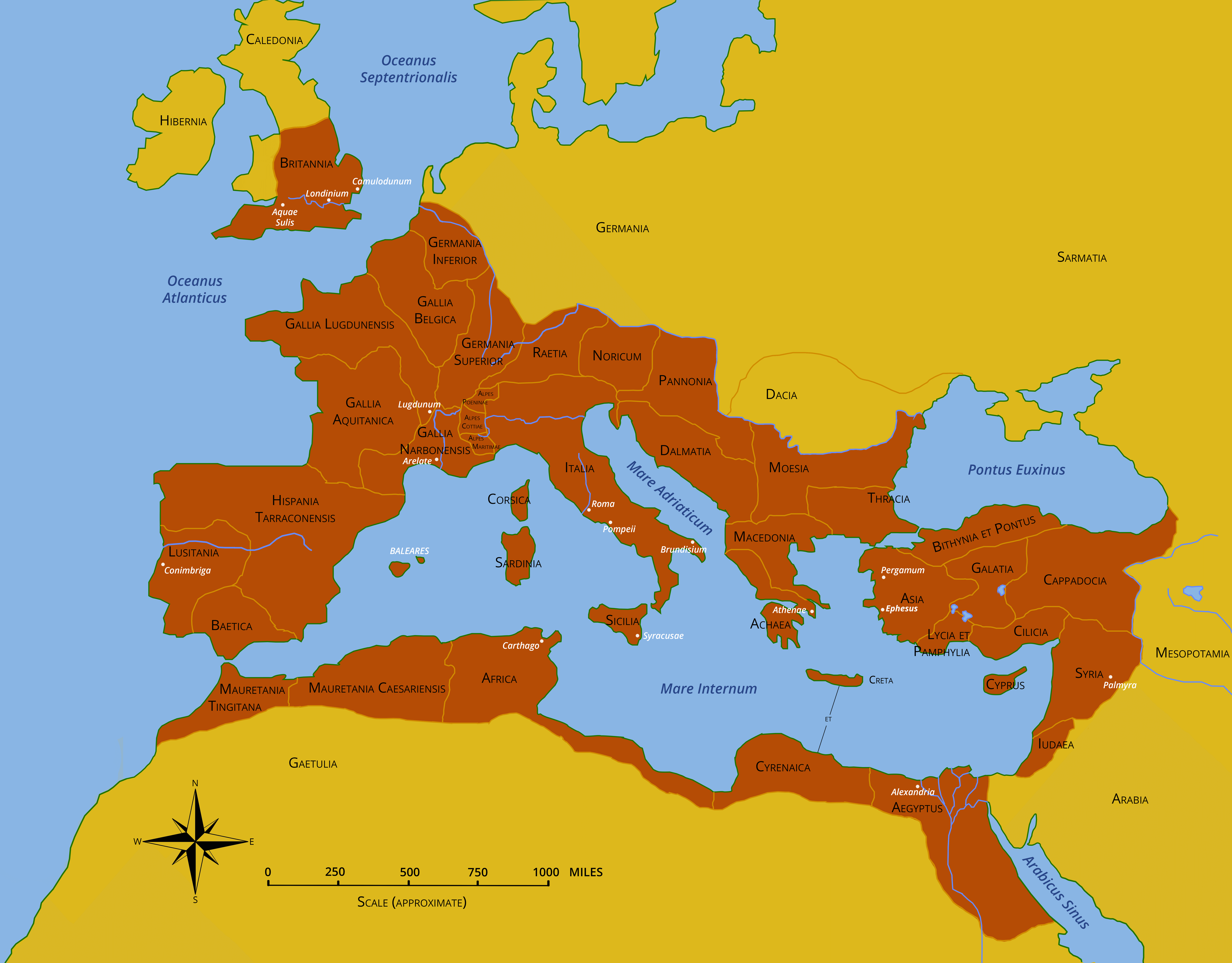

28. ITINERA
WEBLINKS
IMAGE GALLERY

The remains of a Roman road in Petra, Jordan.

A coin from about ad 42. On one side is a portrait of Emperor Claudius. On the other side is the Temple of Artemis at Ephesus with the statue of the goddess inside. Note that she is referred to by her Roman name, Diana.

A statue of Ephesian Artemis.
 The Palmyrenes buried their dead, instead of cremating them – cremation was the usual practice in the western parts of the Empire. Wealthy families built tombs in the form of towers outside the city walls, generally lining a road. The remains of the dead were placed in niches in the walls inside the tower, and each niche was sealed with a carved and painted portrait of the dead person.
This tomb tower is called the Tower of Elhabel. It was reconstructed in the early twentieth century.
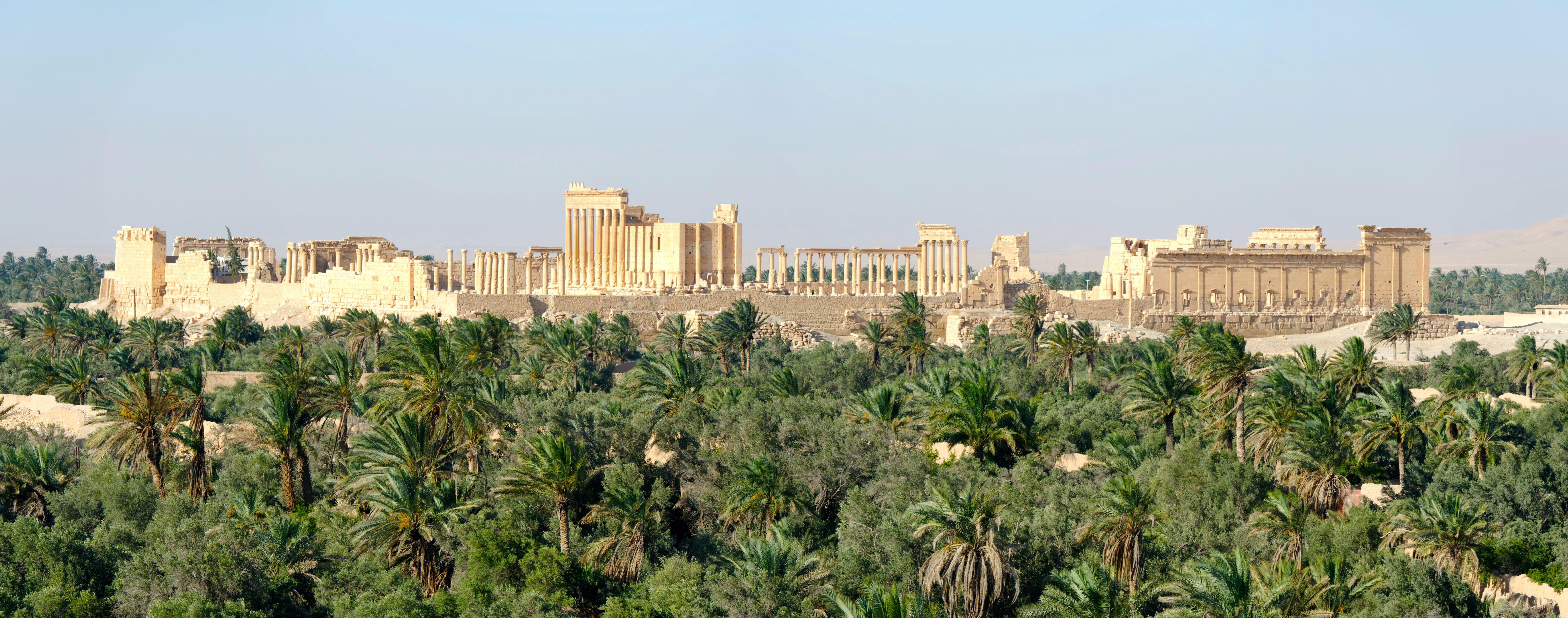 The Temple of Bel was built in a mixture of Roman and Middle Eastern styles. This photograph shows the remains of the temple before much of it was destroyed by ISIL in 2015.
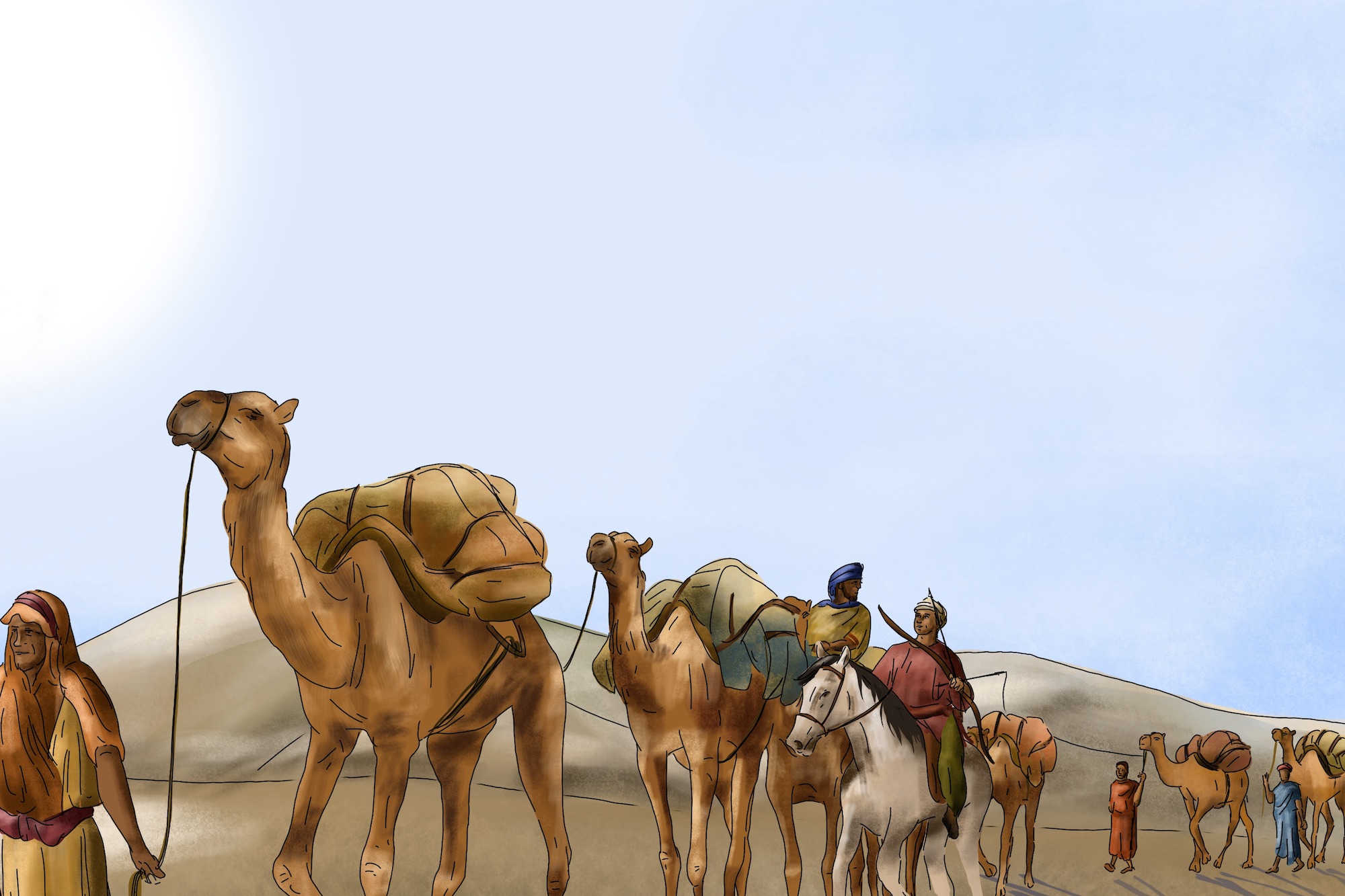
 This relief from Palmyra may depict a caravan or two soldiers with a war camel. Camels are well-adapted to arid conditions and can carry loads of 180 kg. The camels used by the Palmyrenes were dromedaries (one-humped).
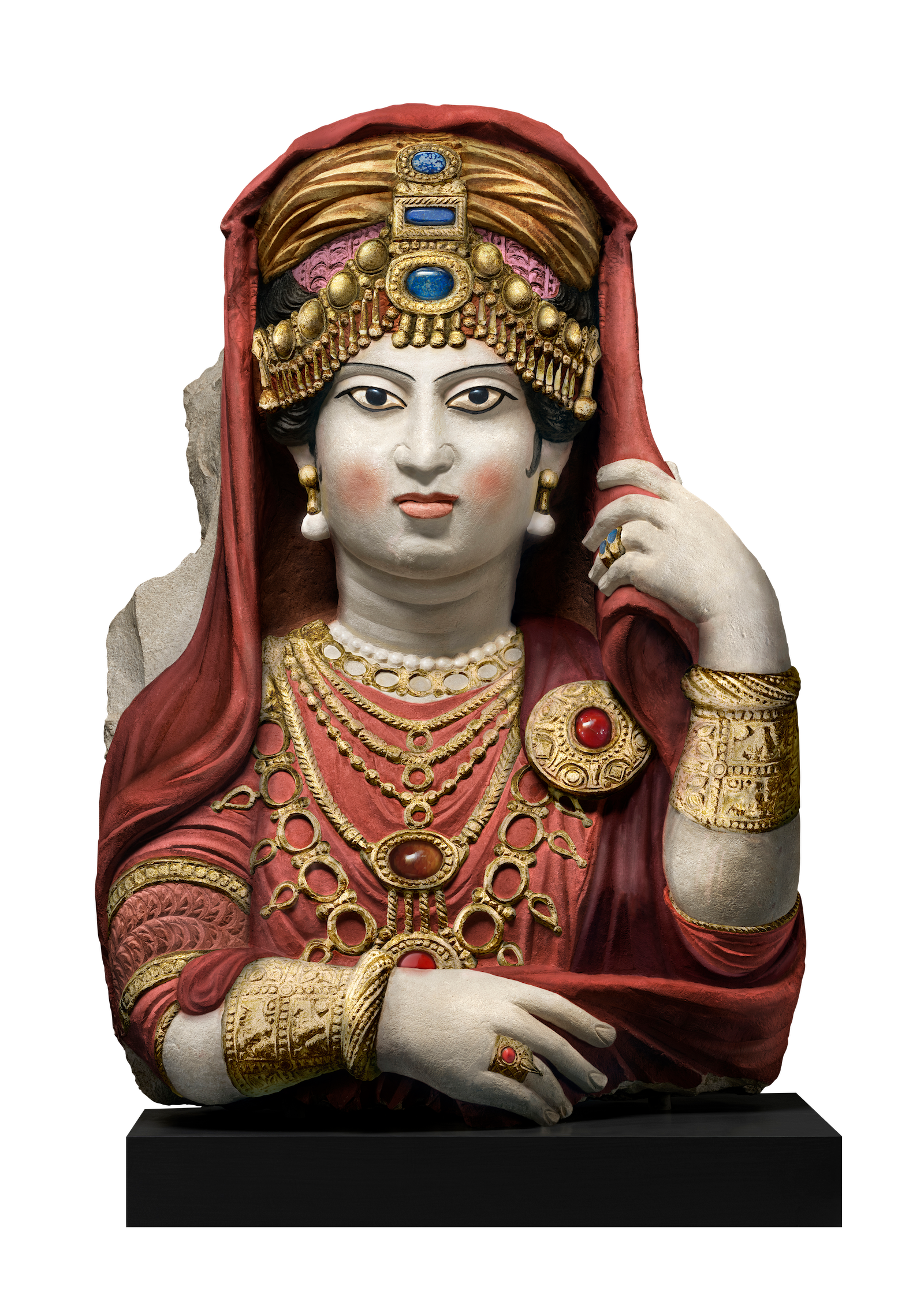 The ‘Beauty of Palmyra’, a digital recreation of an ancient statue of a woman, found in Palmyra.
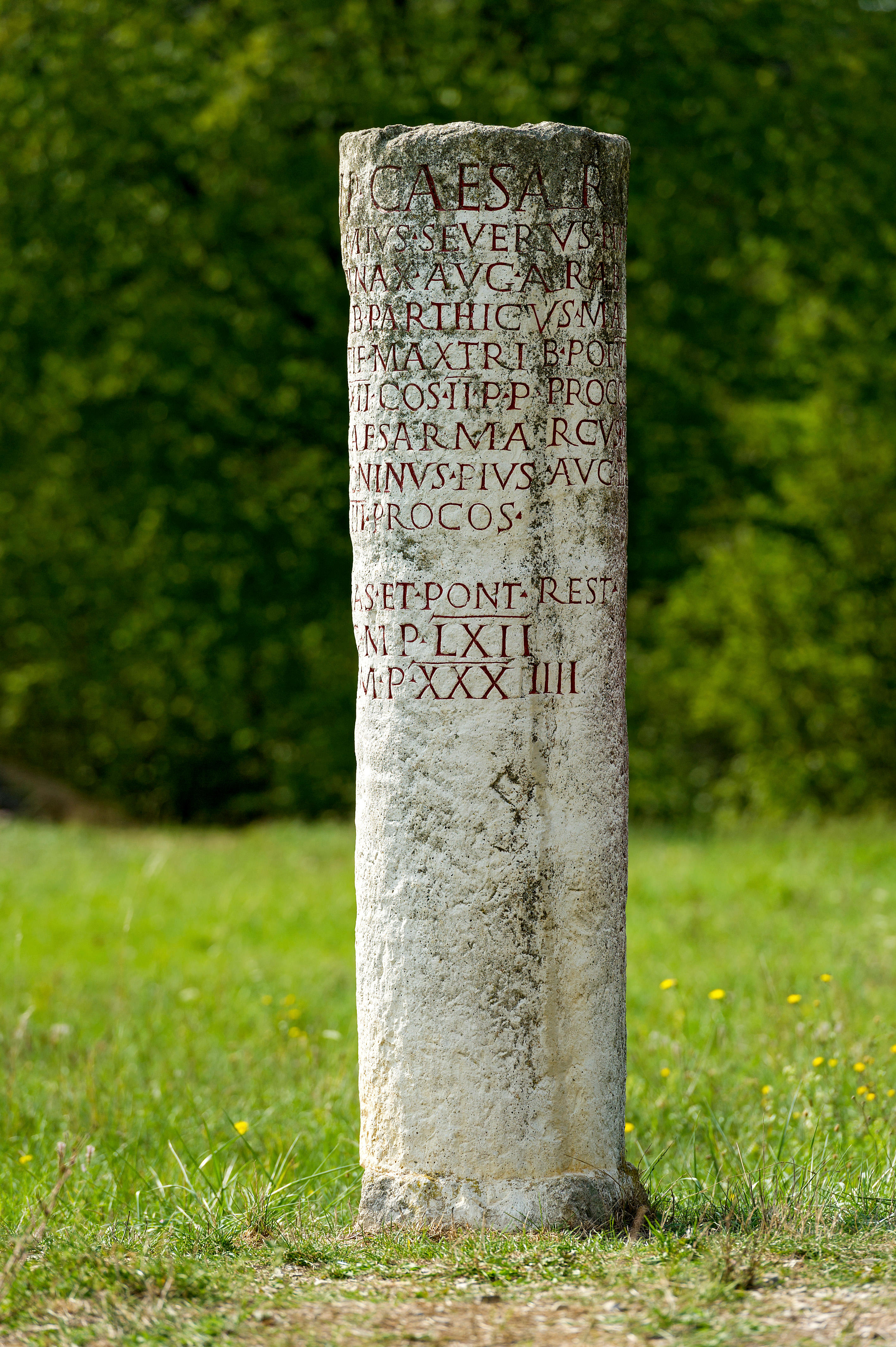 A replica Roman milestone from the province of Raetia.
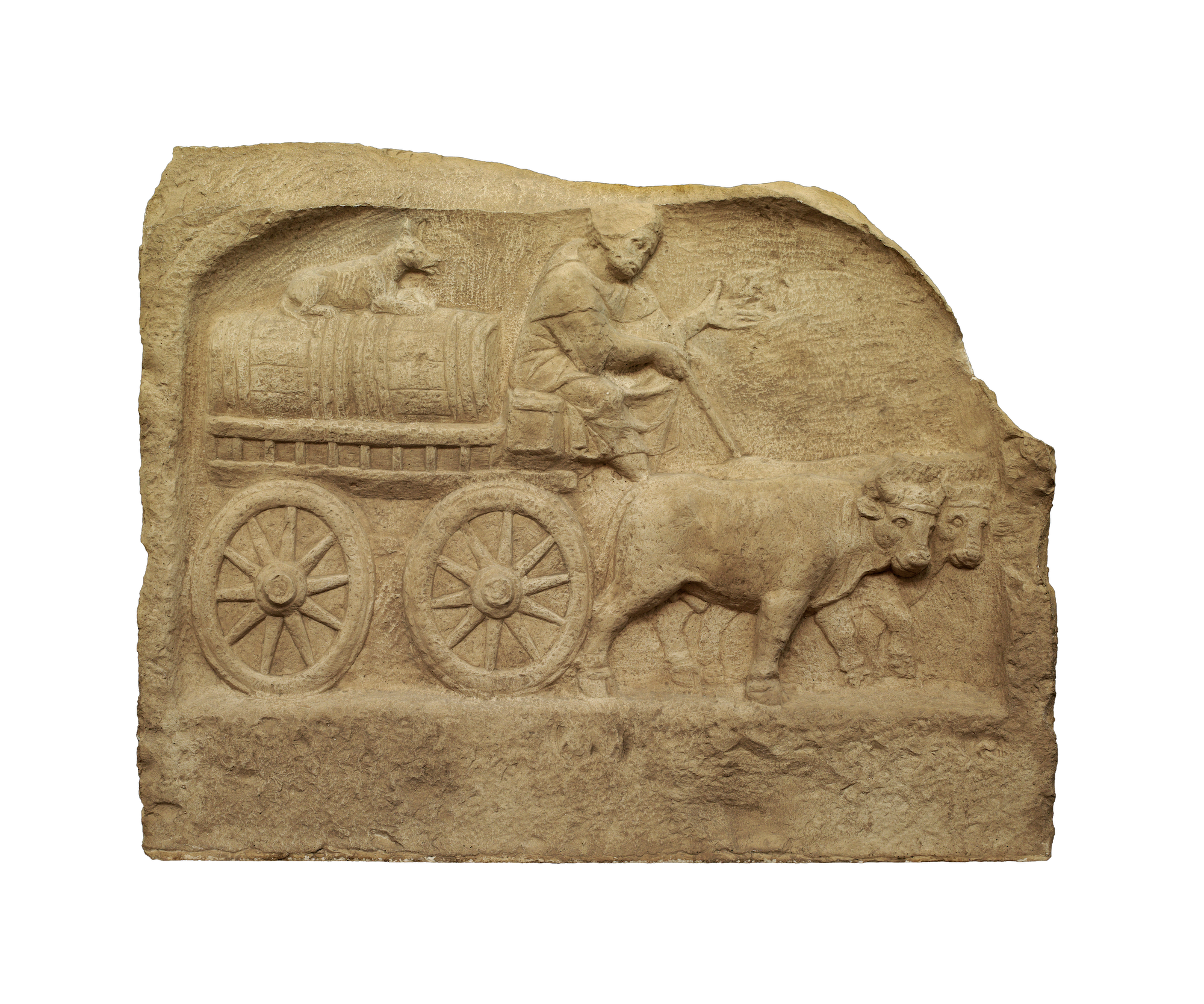 This relief, from Augsburg in modern Germany, shows an ox-drawn cart transporting barrels of wine.
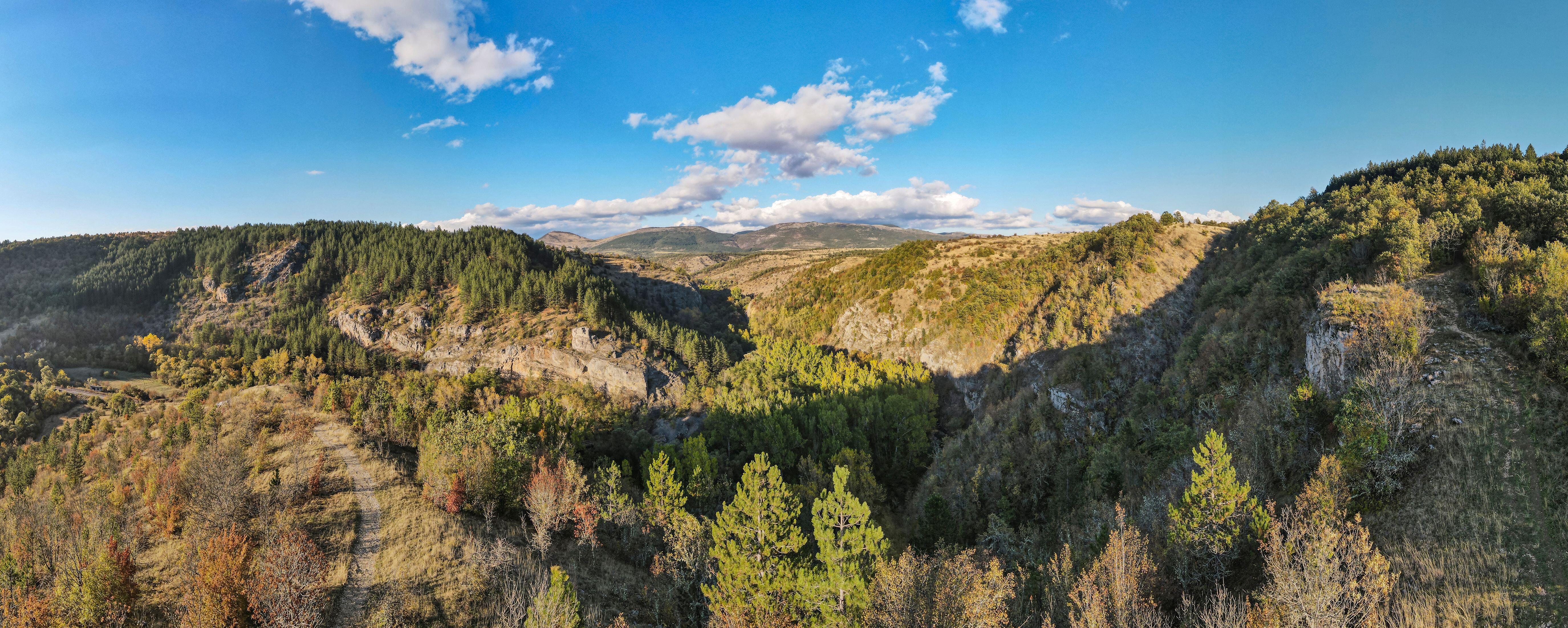 A view of the Balkan mountains in Bulgaria, which used to be part of the Roman province of Moesia.
 This stone carving of two lion griffins comes from Hatra, a town on the western border of the Parthian Empire.
ACTIVITIES AND GAMES (TRACKED)
Sorting - active and passive

Sorting 28.1:
Imperfect Subjunctive
Active or passive?
Sorting 28.2:
Pluperfect Subjunctive
Active or passive?
Sorting 28.3:
Which person?
Sorting 28.4:
Active or passive?
Sorting - comparison of adverbs
Sorting
Verb trainers
Verb trainer
Chapter default
Verb trainer
Active and passive
(Imperfect Subj.)
Verb trainer
Active and passive
(Pluperfect Subj.)
Verb trainer
Active and passive
(Imp. + Plup. Subj.)
Verb trainer
Passive and deponent
(Imp. + Plup. Subj.)