
21. VITA
WEBLINKS
IMAGE GALLERY

A relief showing three seated camels from Palmyra, Syria.

This mosaic from Tunisia shows a brightly-coloured peacock.

Part of the Lod mosaic in Israel. Which animals can you spot?
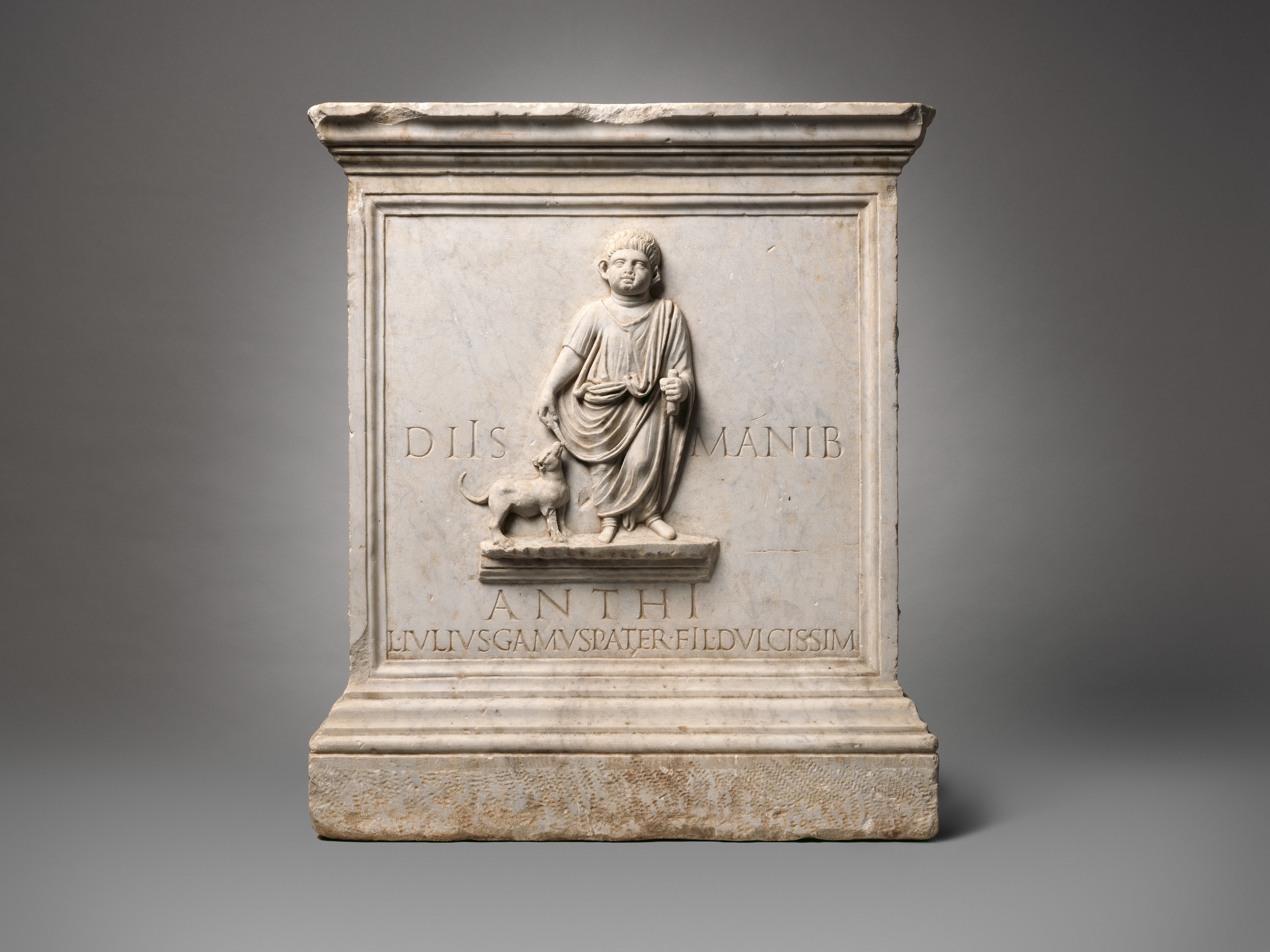 Some owners included dogs in their funeral statuary, like this tombstone for Anthus.
 A cat hunts a bird on this mosaic from the House of the Faun, Pompeii.

This woman from Egypt has pearl earrings, a hairpin studded with pearls, and necklaces of gold, pearl, and emerald. This portrait was painted for her tomb.

A girl in a wall painting from Pompeii, with a gold hairnet and gold earrings. Many women had pierced ears.
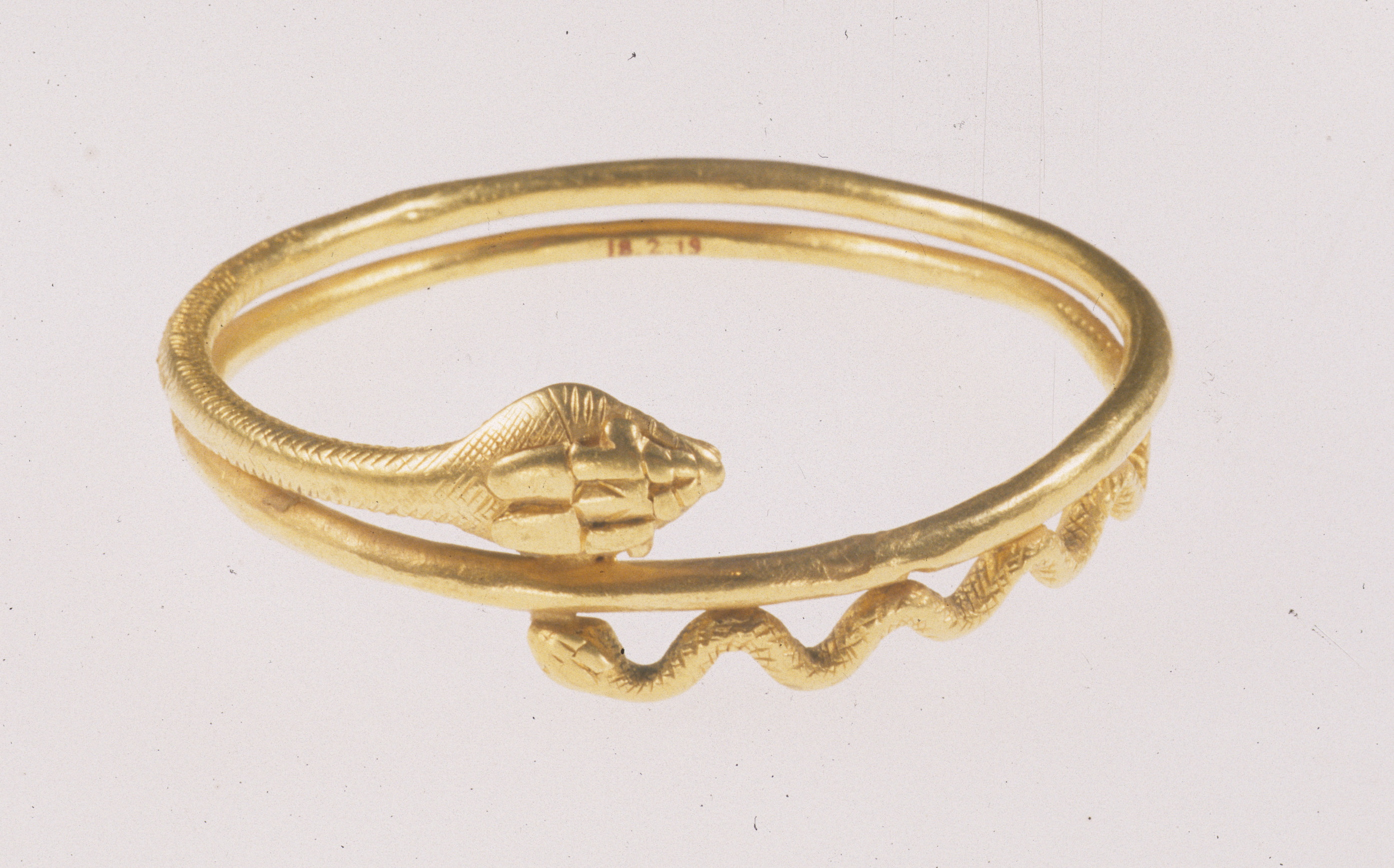 Bracelets in the shape of a snake, like this one from Egypt, were popular. One found in Pompeii was engraved with the words: dominus ancillae suae. Snakes were regarded as protective.
 Carnelian, a red semi-precious stone, was a favourite for signet rings because hot wax does not stick to it; it was also relatively cheap, and believed to have magical powers. This ring has a carnelian intaglio with a female portrait.
 Carnelian, a red semi-precious stone, was a favourite for signet rings because hot wax does not stick to it; it was also relatively cheap, and believed to have magical powers. This ring has a carnelian intaglio with a female portrait.
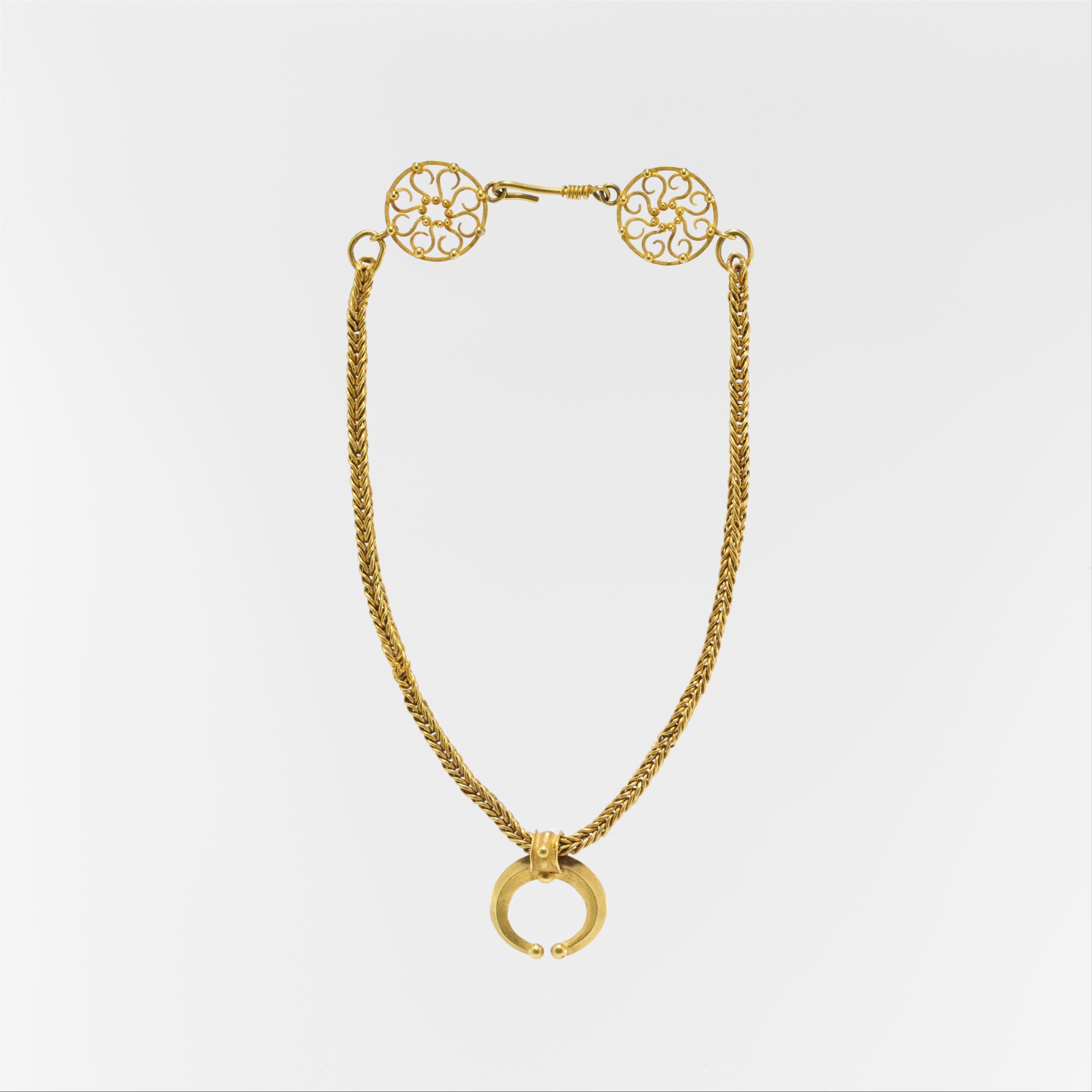 This pendant in the shape of a crescent was an amulet (good-luck charm) to protect the wearer from harm. Amulets were worn by adults and children.
 Brooches (fibulae) were essential for fastening cloaks, but could also be decorative. Brooches in the shape of animals were a popular style all over the Empire in the second century ad. This one, from Gaul, is made of copper, with details picked out in enamel.
 The front of a silver handmirror, from the 1st century ad. It would have been polished to give a clear reflection.
 The back of a silver handmirror, from the 1st century ad. It would have been polished to give a sharp reflection.
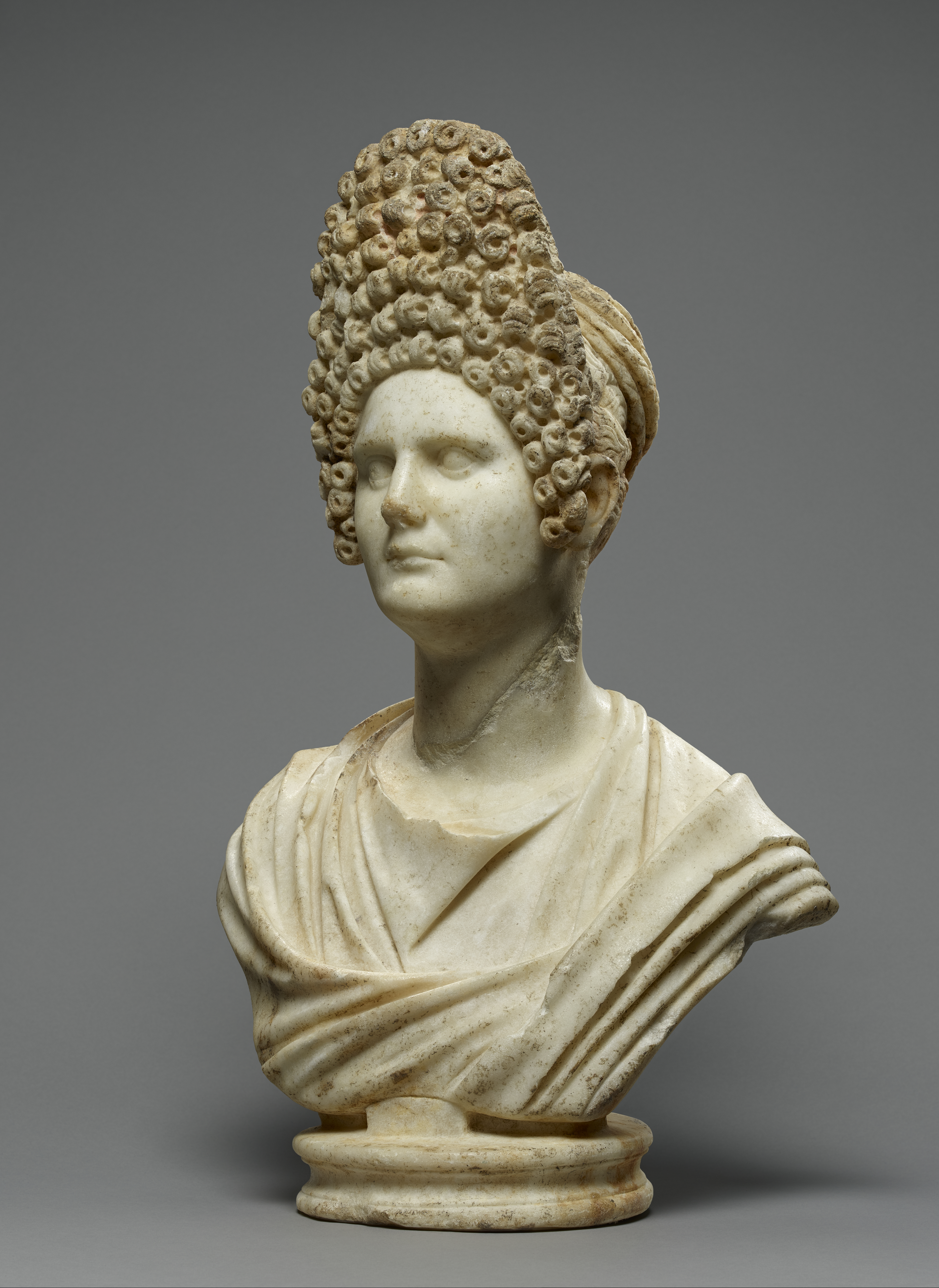 A bust of a wealthy woman from the late first century ad, from the front.
 A bust of a wealthy woman from the late first century ad, from the back.

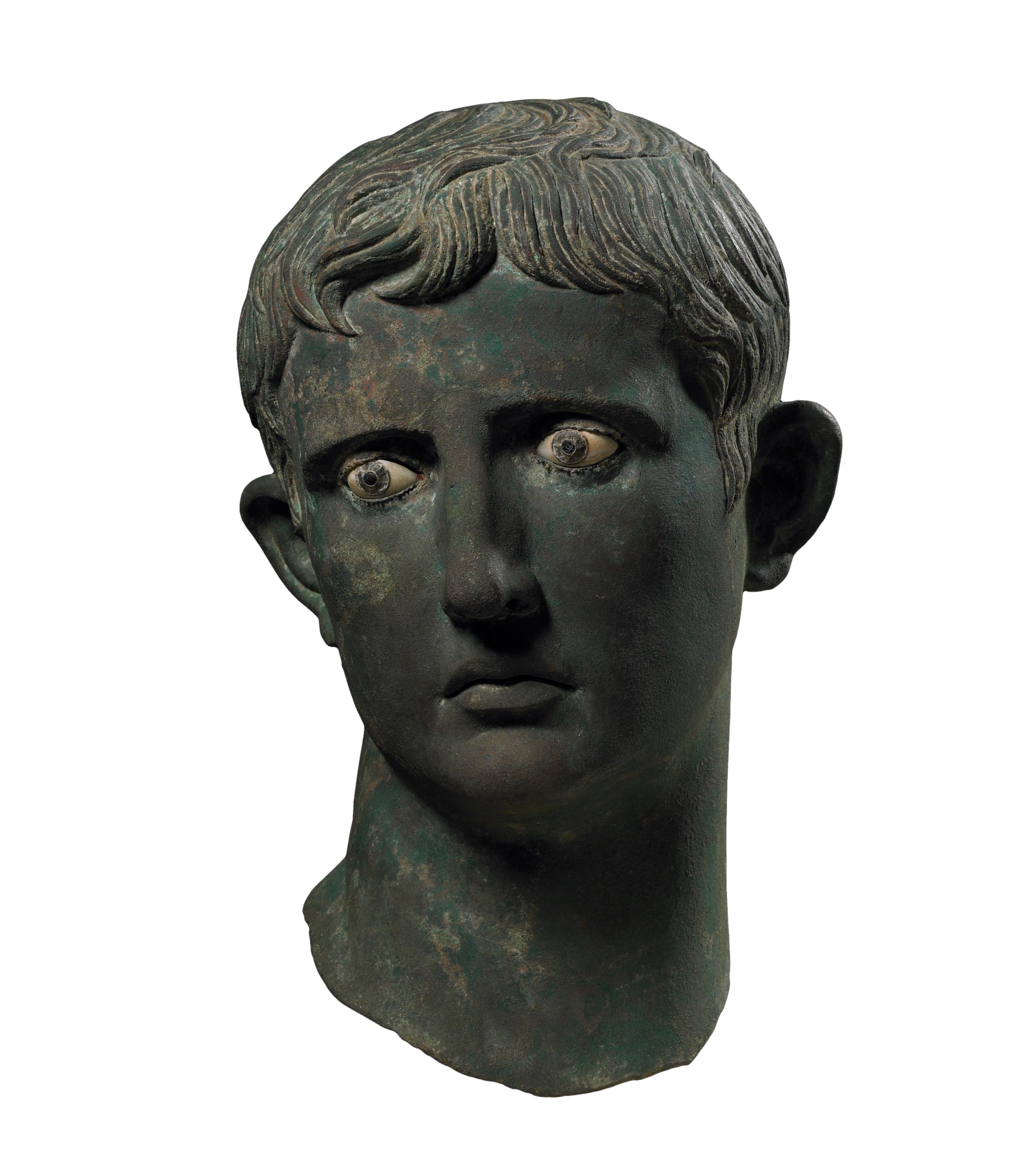 The Meroё head of Augustus.
 Coin of Masinissa, king of Numidia.
 A votive plaque from Meroë. The inscriptions are in Meroitic script.
ACTIVITIES AND GAMES (TRACKED)
Autograded translations

Autograded translation:
Language Practice
Chpt 21, Ex. 1 (21.1)
Autograded translation:
Language Practice
Chpt 21, Ex. 2 (21.2)
Autograded translation:
Language Practice
Chpt 21, Ex. 3 (21.3)
Sorting
Sorting 21.1:
Which part?
Sorting 21.2:
Adjective or participle?
Sorting 21.3:
Perfect or pluperfect?
Sorting 21.4:
Active or passive?
Sorting 21.5:
Which person?
Verb trainers
Verb
trainer
Verb trainer
Perfect passive
and participles
Verb trainer
Active and passive
(Perfect)
Verb trainer
Active and passive
(Pluperfect)
Verb trainer
Active and passive
(Perfect and pluperfect)
Verb trainer
Active and passive
(Present, imperfect,
perfect and pluperfect)