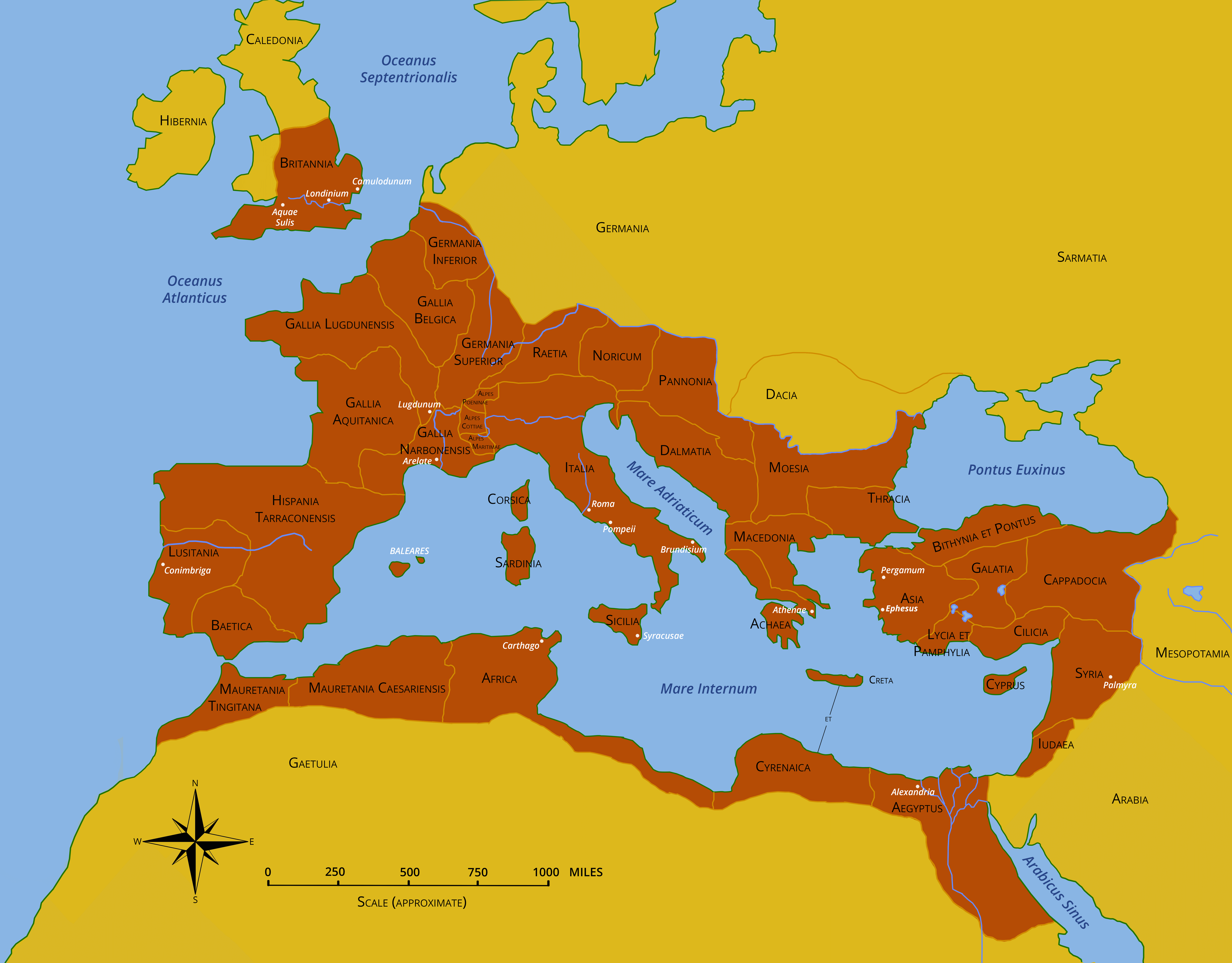

22. LIBERI
WEBLINKS
IMAGE GALLERY

D(IS) M(ANIBUS) / ET MEMOIRAE / CL(AUDIAE) VICTORIAE / QUAE VIXIT ANN(OS) X / MENS(EM) I DIES XI / CLAUDIA SEVERI/NA MATER FILIAE / DULCISSIMAE ET SIBI VIVA FECIT

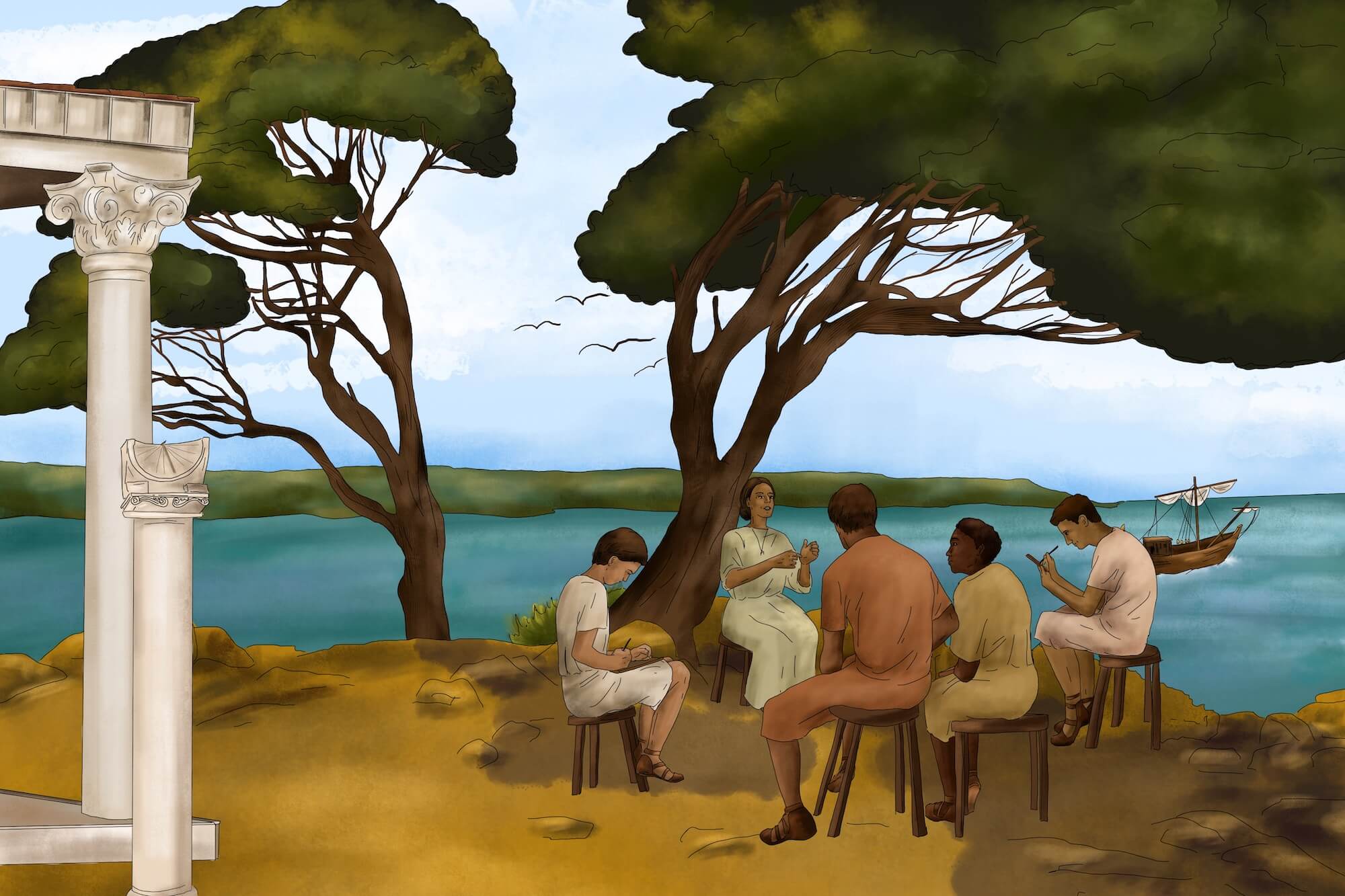
Our character Hermione is based on a real person. This is a mummy portrait from Egypt with the name Hermione Grammatike written on it in Greek. Hermione is a grammatica, a teacher of literature; a male teacher was a grammaticus.
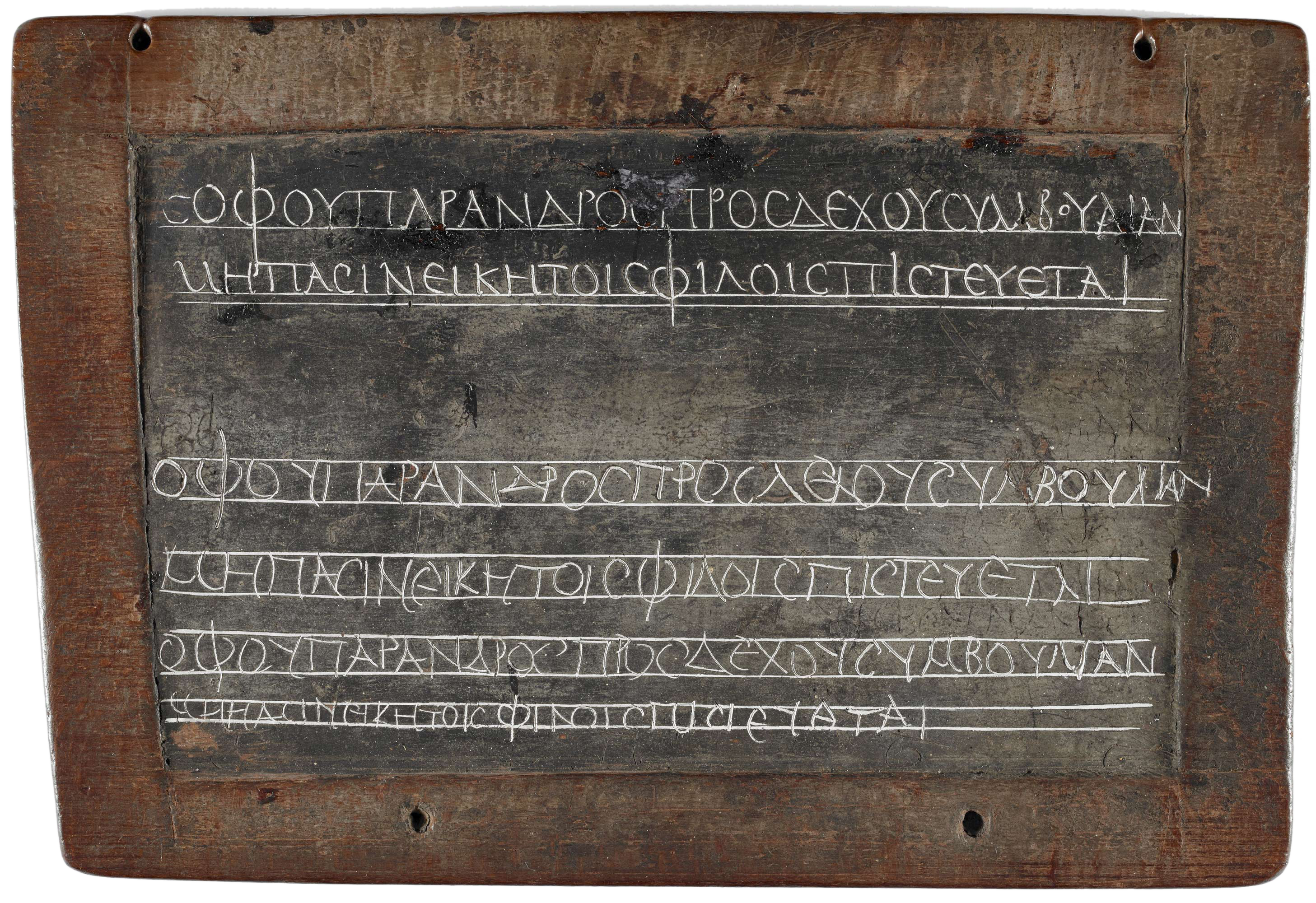
This wooden tablet covered in black wax and engraved with Greek writing is one of a pair, which would have been tied together. The tablets belonged to a schoolchild in Egypt in the second century ad. The top two lines are a quotation from the Greek poet Menander, and were probably written by the teacher. The child has then copied out the lines twice. Has the child made any mistakes?
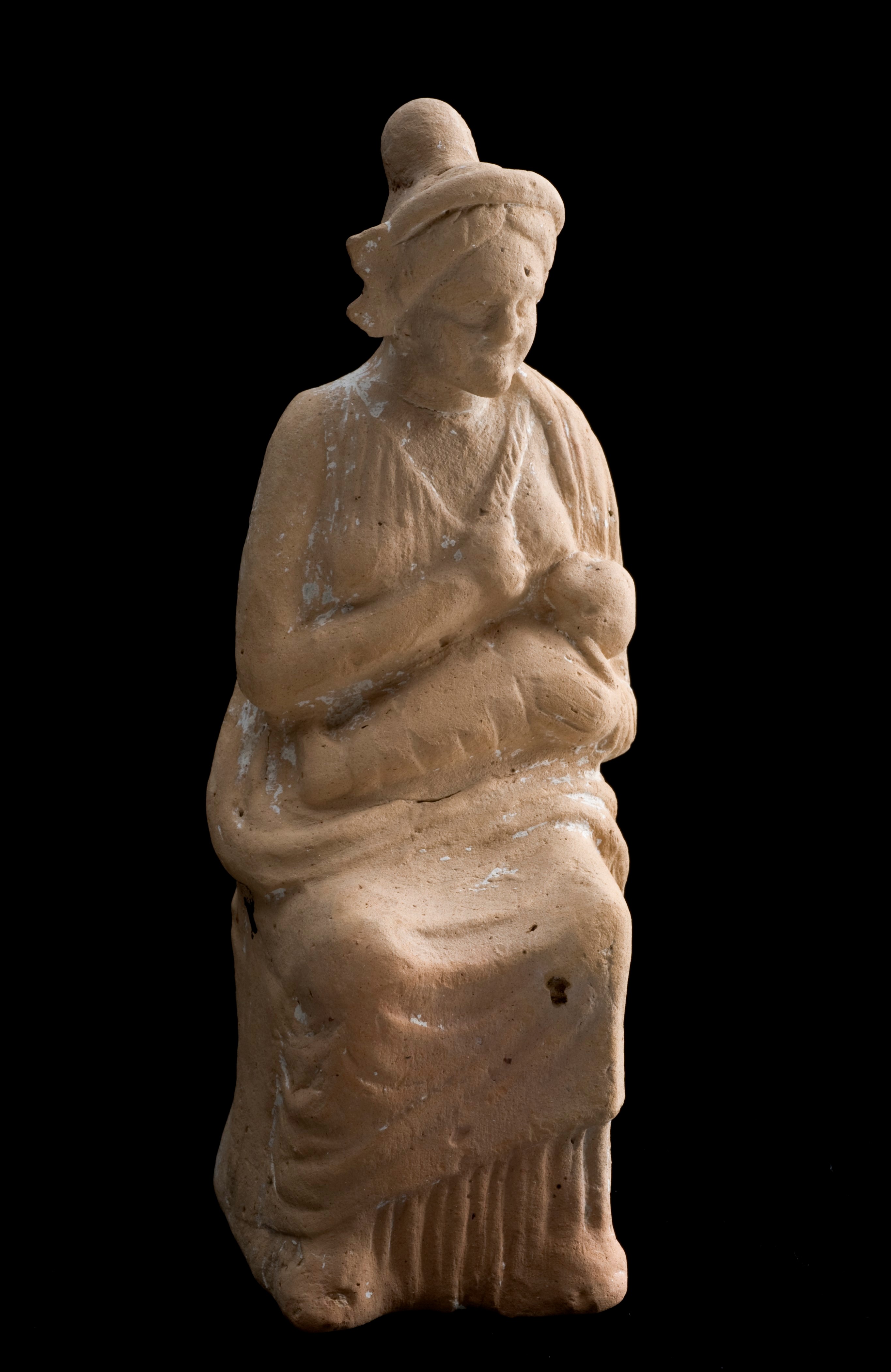 This terracotta figure shows a woman breastfeeding a child. The figure may have been dedicated as a votive offering in the hope of concieving a child, or in thanks for the safe delivery of a child

This large stone relief, either a votary offering or a funerary marker, comes from Carthage and shows a young man reaching adulthood.

A Carthaginian coin from around 290 bc. On one side is the head of the Punic goddess Tanit, who was associated with fertility. On the other side is a horse, an animal that was linked to the founding myth of Carthage.
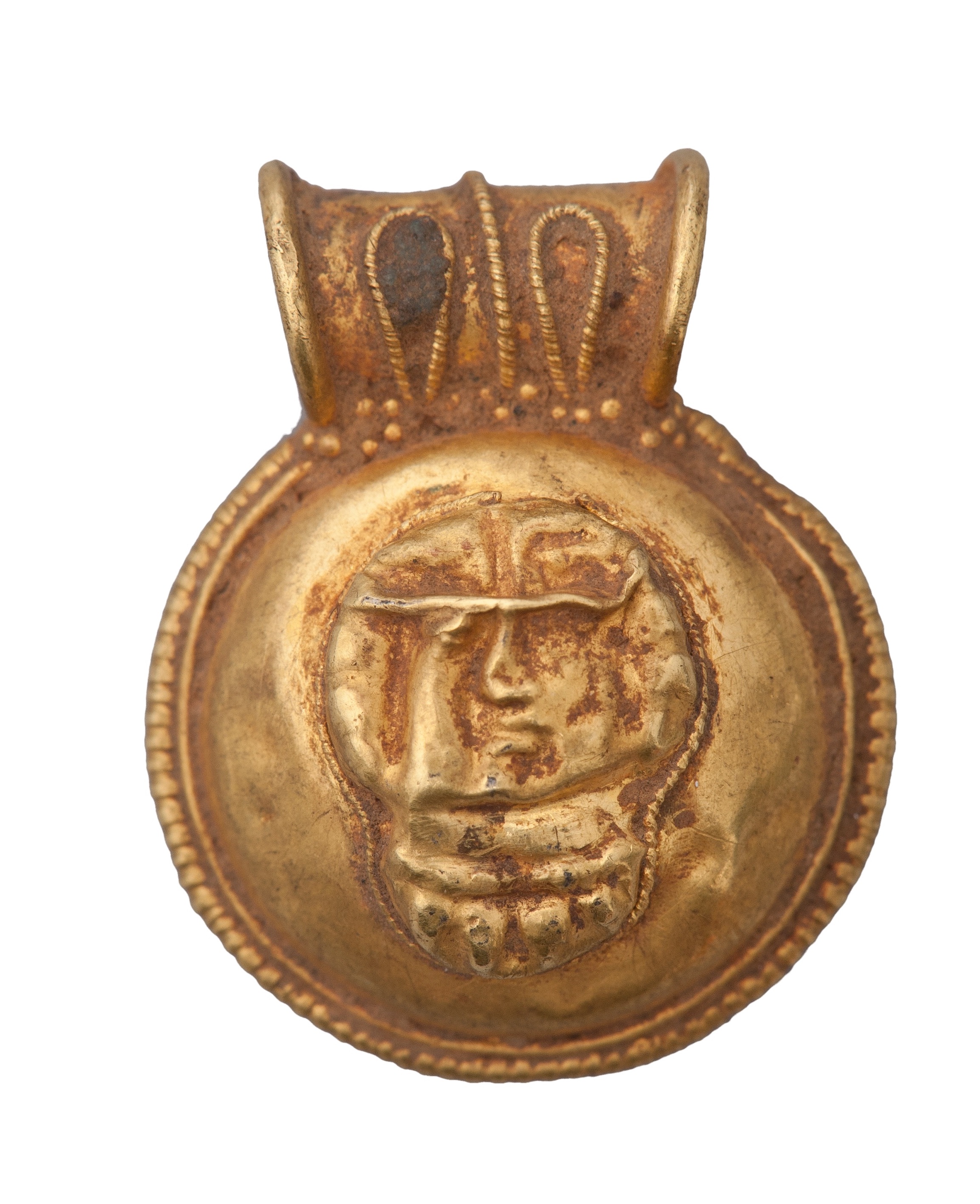 This gold bulla is about 2cm in length. It would have been worn as a pendant hanging around the neck from a cord or a leather strip. It is decorated with the head of a Gorgon. Why do you think this might be an appropriate image?

This stone marks the grave of a boy from a mining region in Spain. He is carrying a hammer and a basket. The inscription reads:
Quartulus, 4 years. May the earth lie lightly on you.
Quartulus, 4 years. May the earth lie lightly on you.
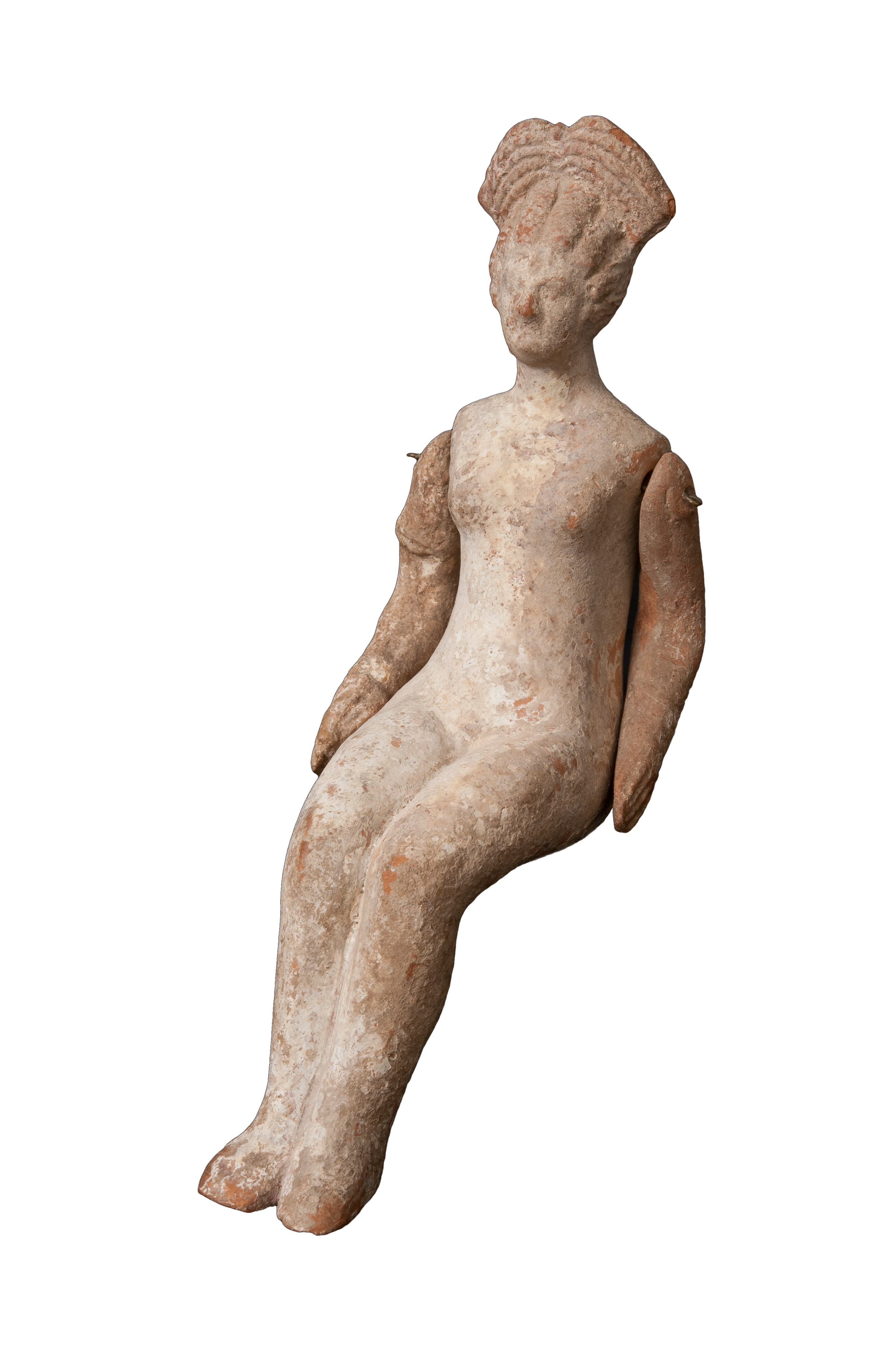 This doll made of terracotta could have been a toy or an offering to a god. The body, head, and legs have been made in one piece, but the arms were attached separately. She has a snake bracelet on her right arm. Dolls were made out of other materials, including wood, bone, ivory, and linen.
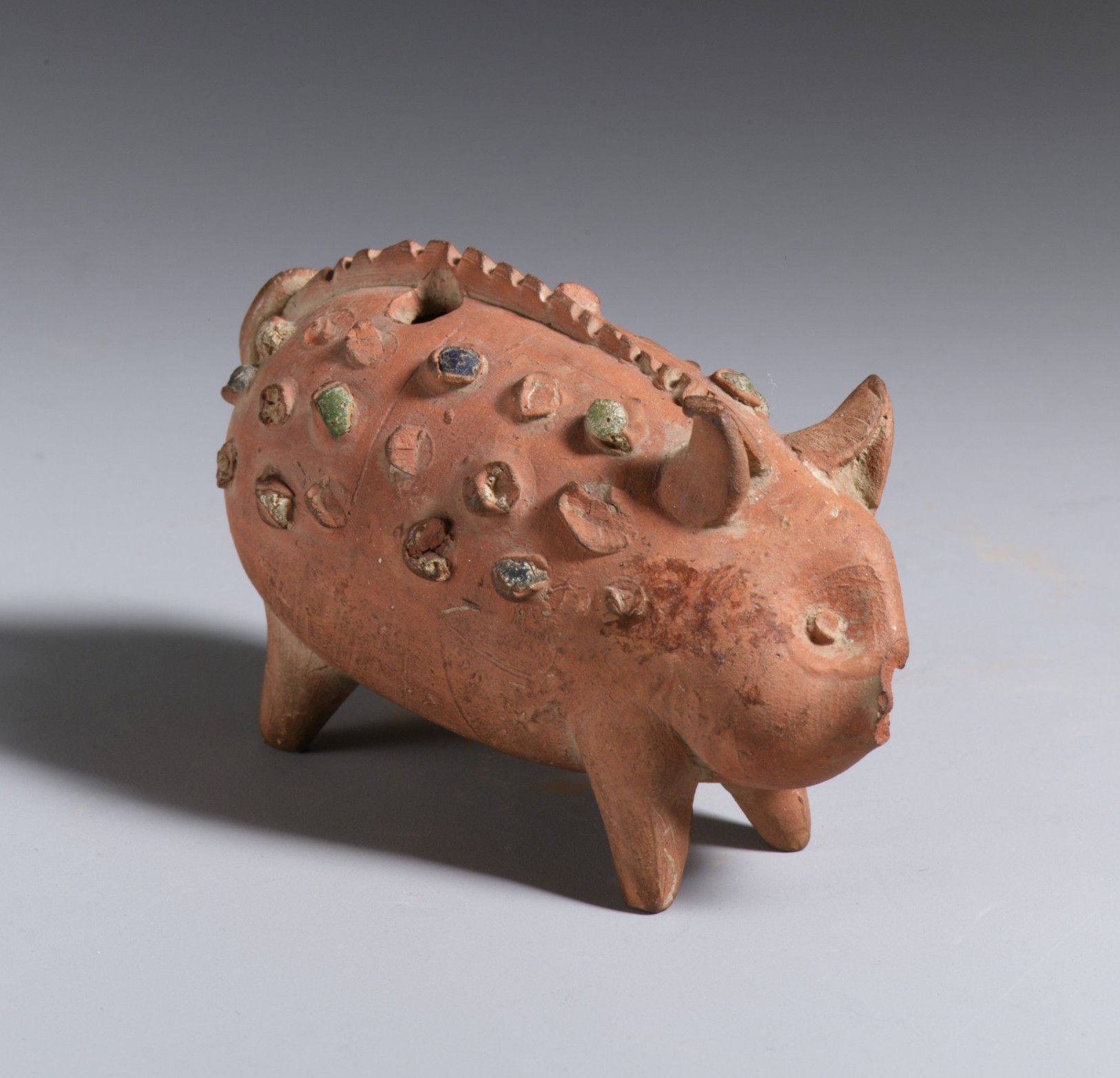 A child’s toy rattle.
 This mosaic from Somerset shows Aeneas, Iulus, Venus, and Dido.
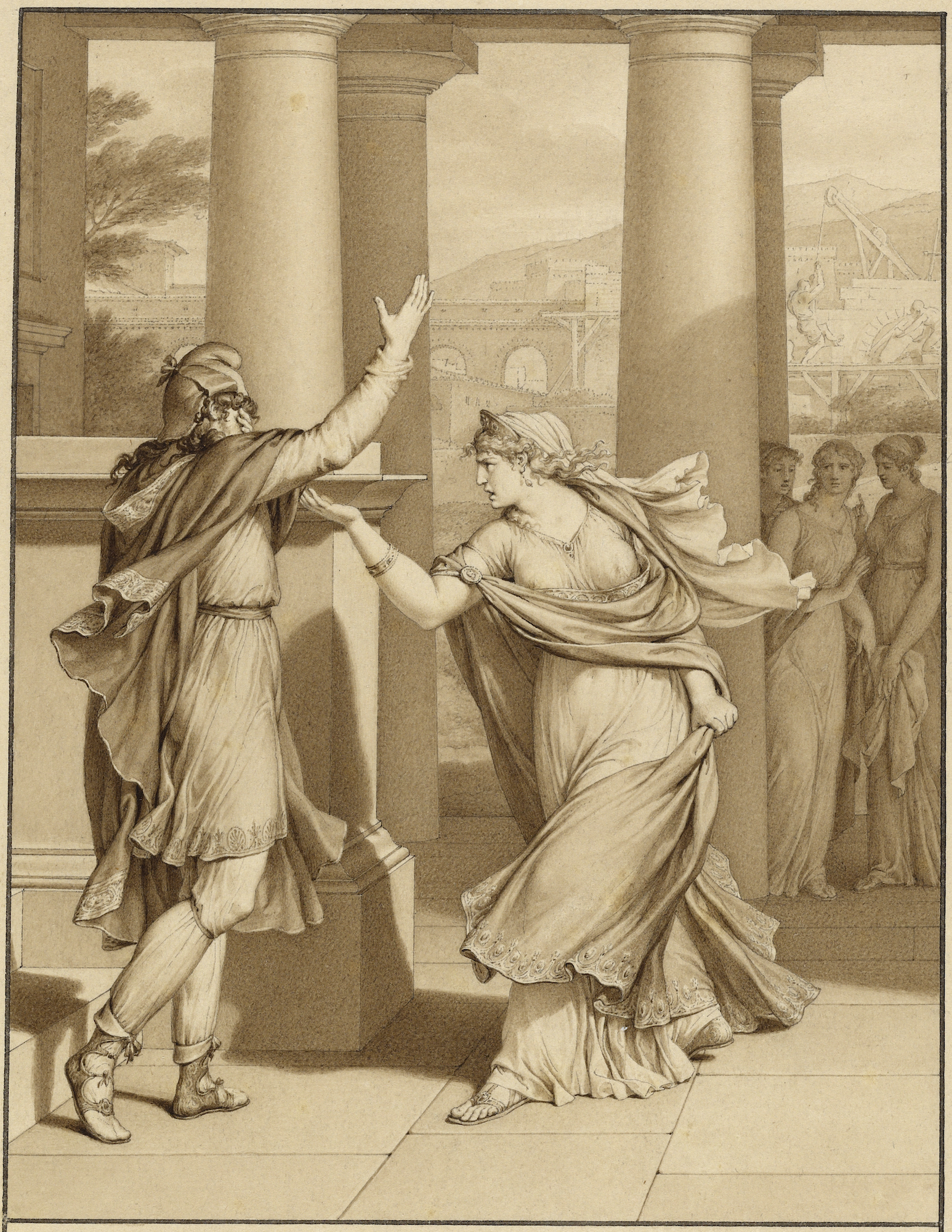 Dido accuses Aeneas in this drawing by Jean-Michel Moreau le Jeune.
ACTIVITIES AND GAMES (TRACKED)
Autograded translations

Autograded translation:
Language Practice
Chpt 22, Ex. 1 (22.1)
Autograded translation:
Language Practice
Chpt 22, Ex. 2 (22.2)
Autograded translation:
Language Practice
Chpt 22, Ex. 3 (22.3)
Sorting
Sorting 22.1:
Regular or deponent?
Sorting 22.2:
Which person?
Sorting 22.3:
Which principal part?
Sorting 22.4:
Singular or plural or both?
Sorting 22.5:
To verb or to be verbed?
Verb trainer
Verb trainer: Deponent verbs
Verb trainer
Deponents
Present and imperfect
Verb trainer
Deponents
Perfect and pluperfect
Verb trainer
Deponents
Present, imperfect,
perfect and pluperfect
Verb trainer
Deponents
Perfect, pluperfect and
perfect participles
Verb trainer: Passive and deponent verbs
Verb trainer: Present infinitives
Verb trainer
Present infinitives
Active and passive
Verb trainer
Present infinitives
Active, passive
and deponent