27. EPHESUS
WEBLINKS
IMAGE GALLERY
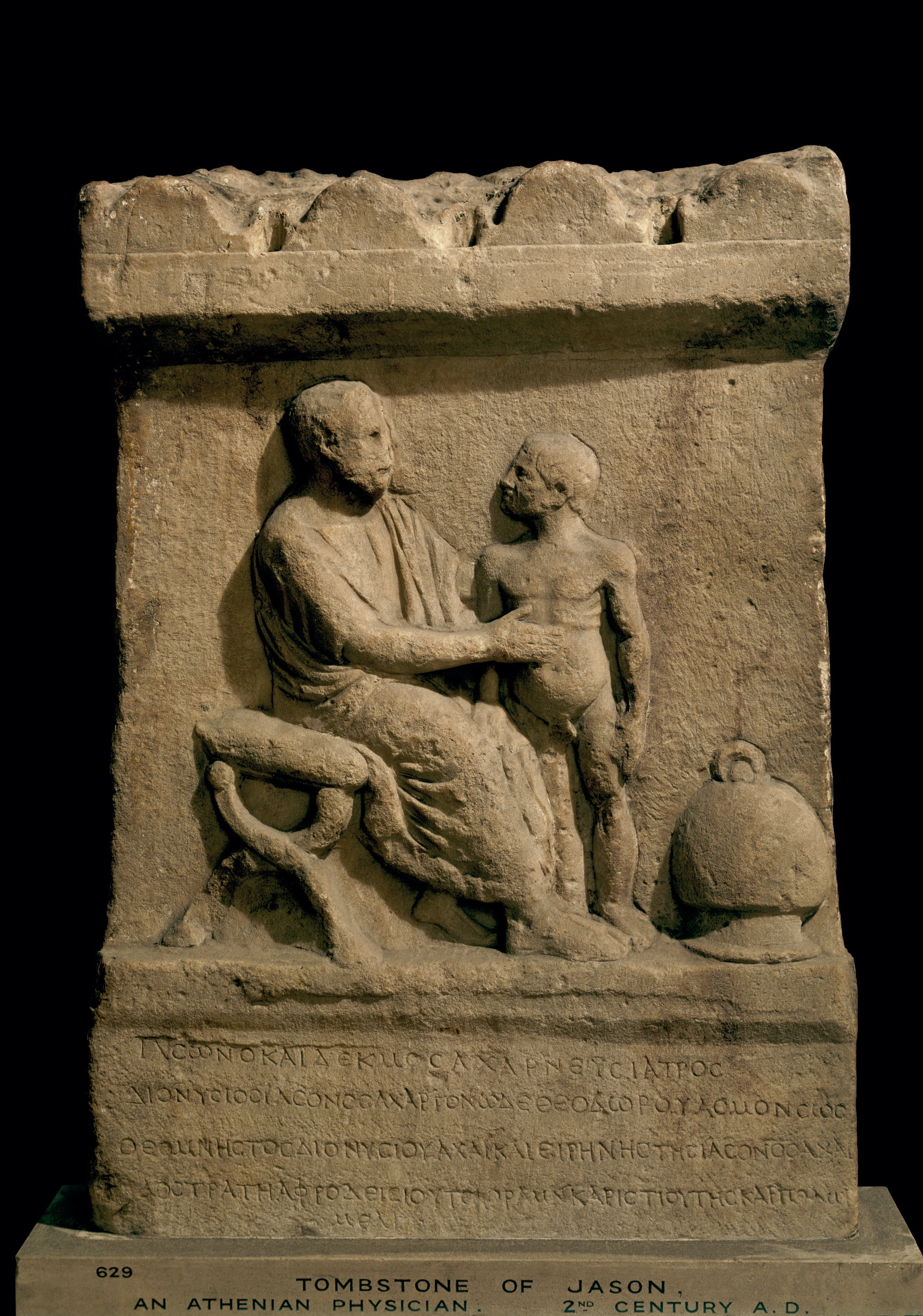
Tombstone of an Athenian doctor called Jason, from the second century ad.
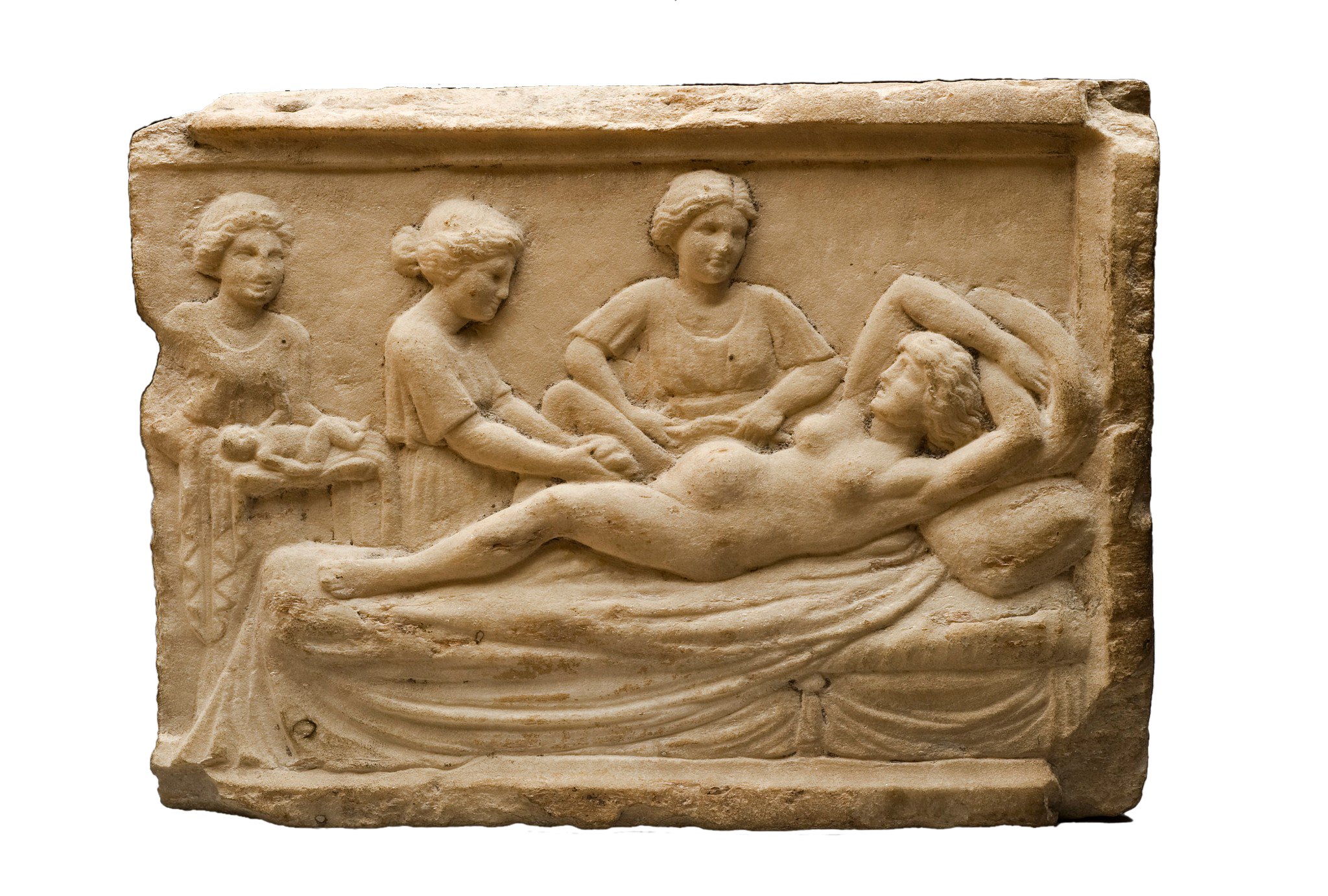
This relief shows a birthing scene. Three women attend the mother; one is holding the newborn.
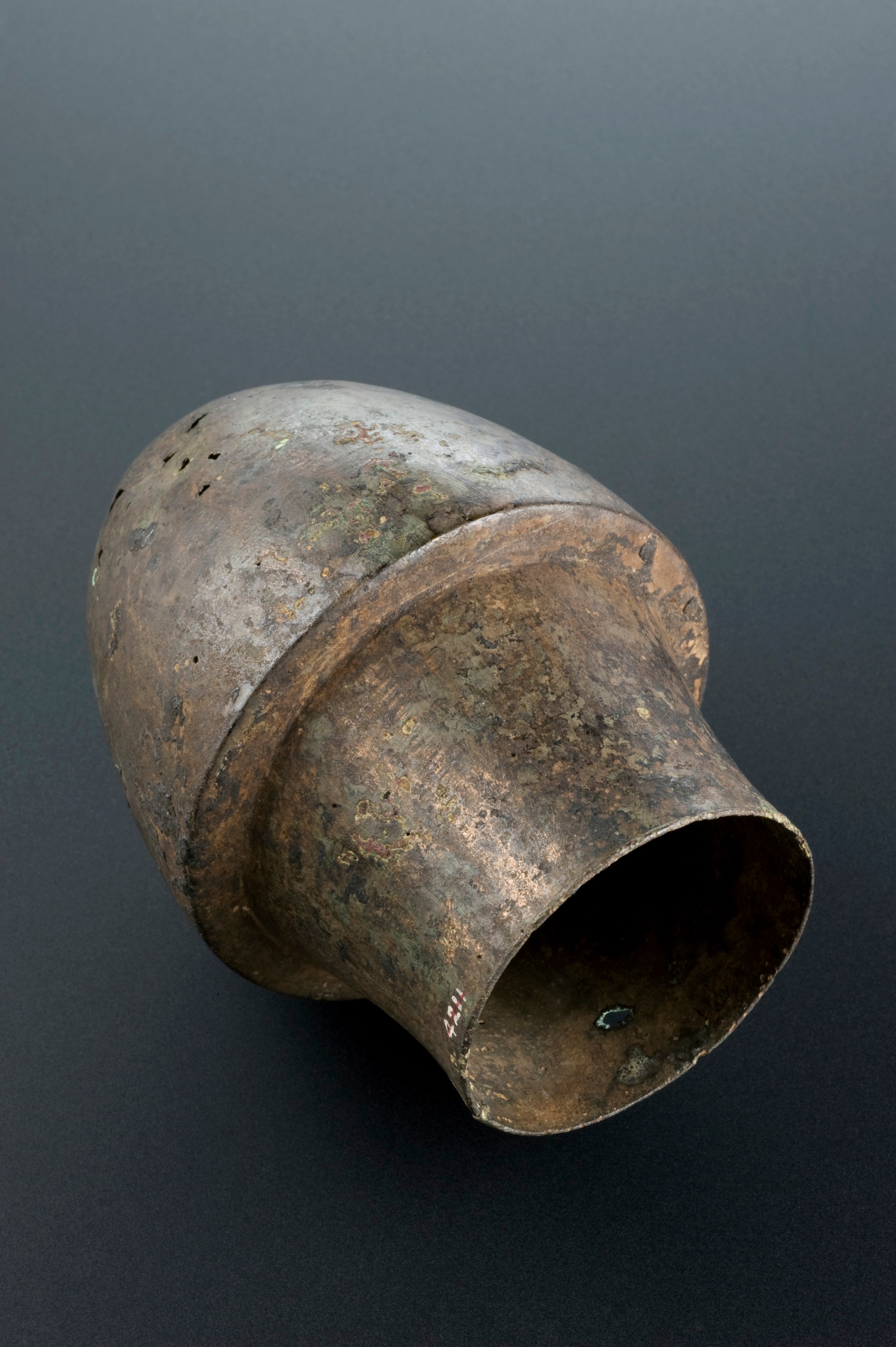 A cupping vessel made of bronze.
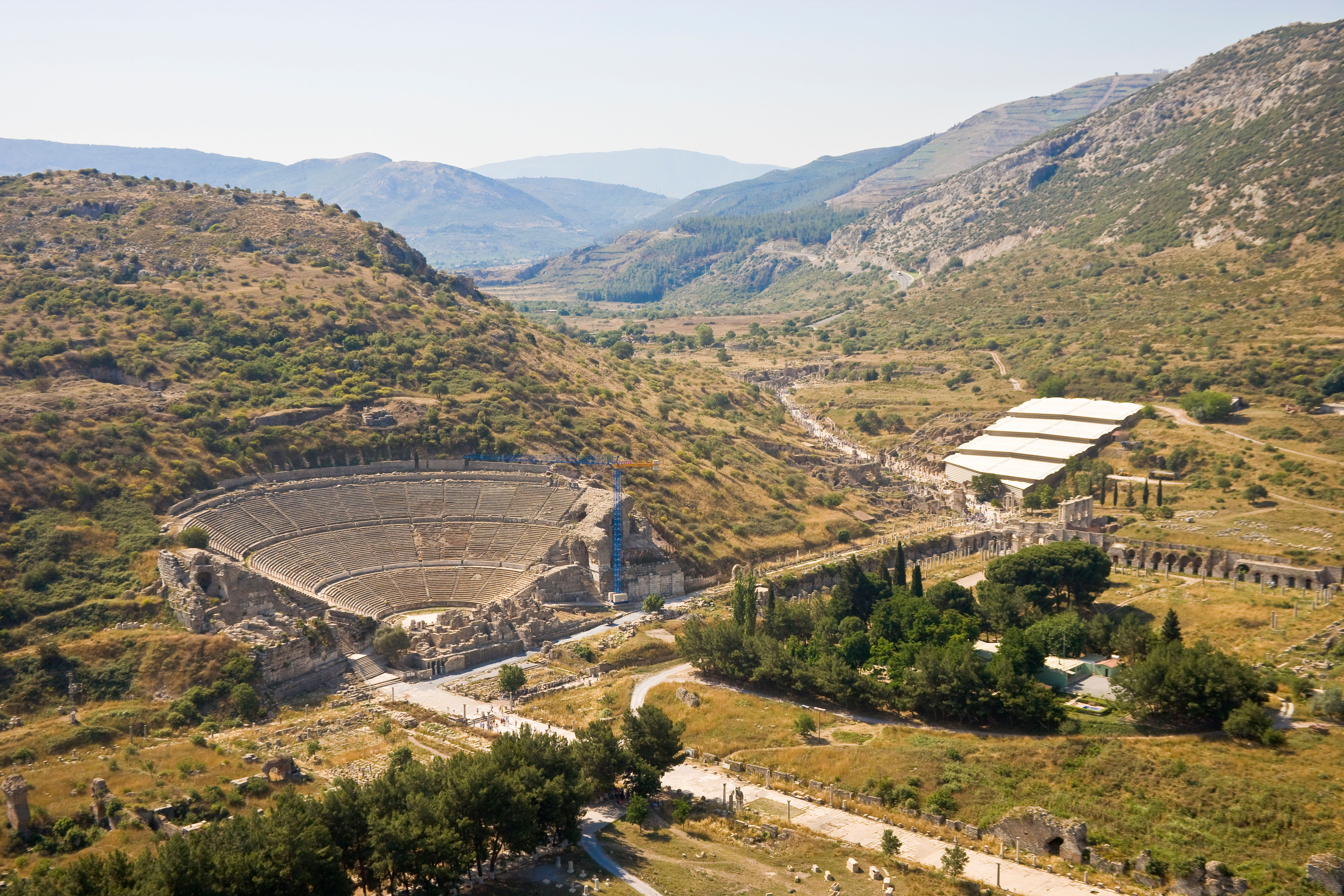 Part of the site of Ephesus as it looks now.
 This relief from Herculaneum shows a surgeon extracting a spear from a wounded soldier. Both men are nude, which indicates that the scene is from mythology.
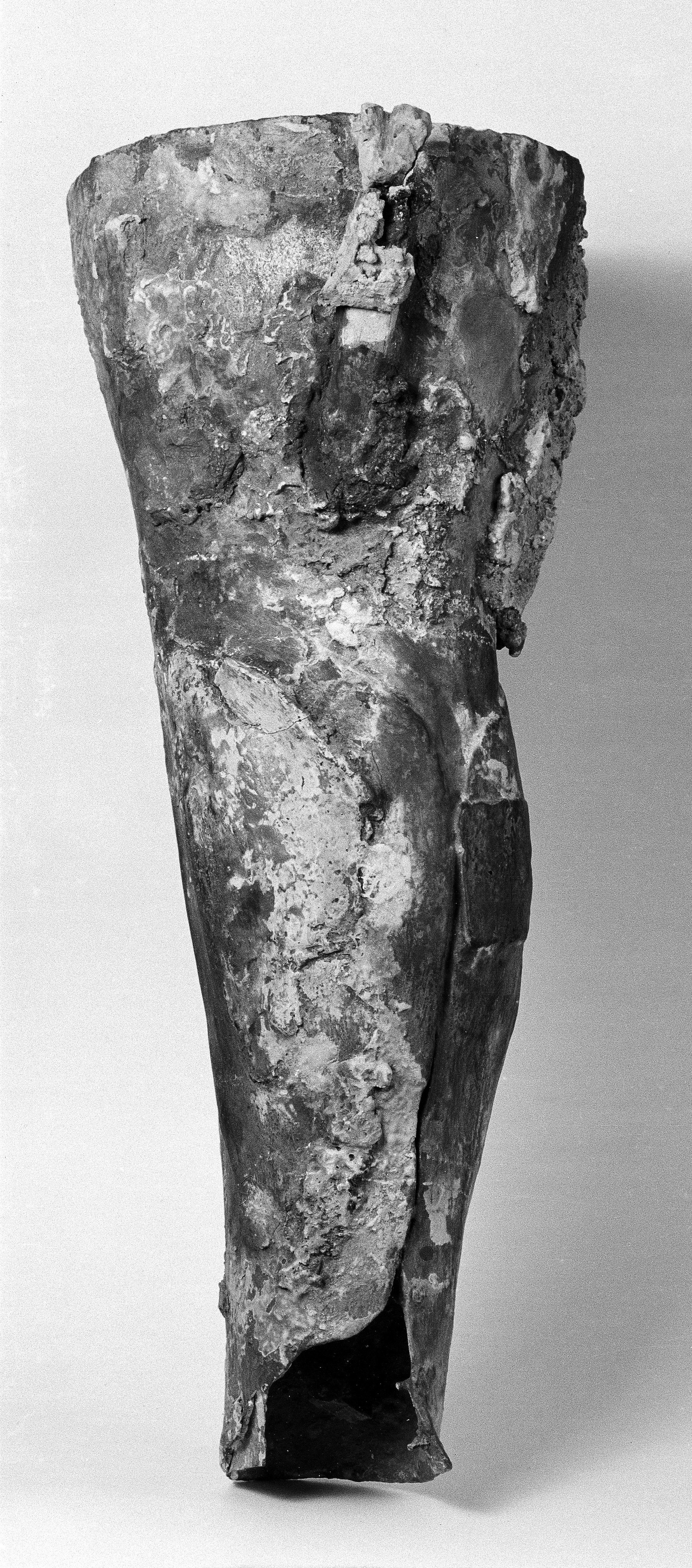 This artificial leg is made of bronze. Originally it was fitted to a wooden core.
 A collection of surgical instruments, including forceps for crushing the uvula (bottom left). The doctor crushed the uvula with forceps before cutting it off, in order to prevent haemorrhaging. The jaws of the forceps have fine teeth.
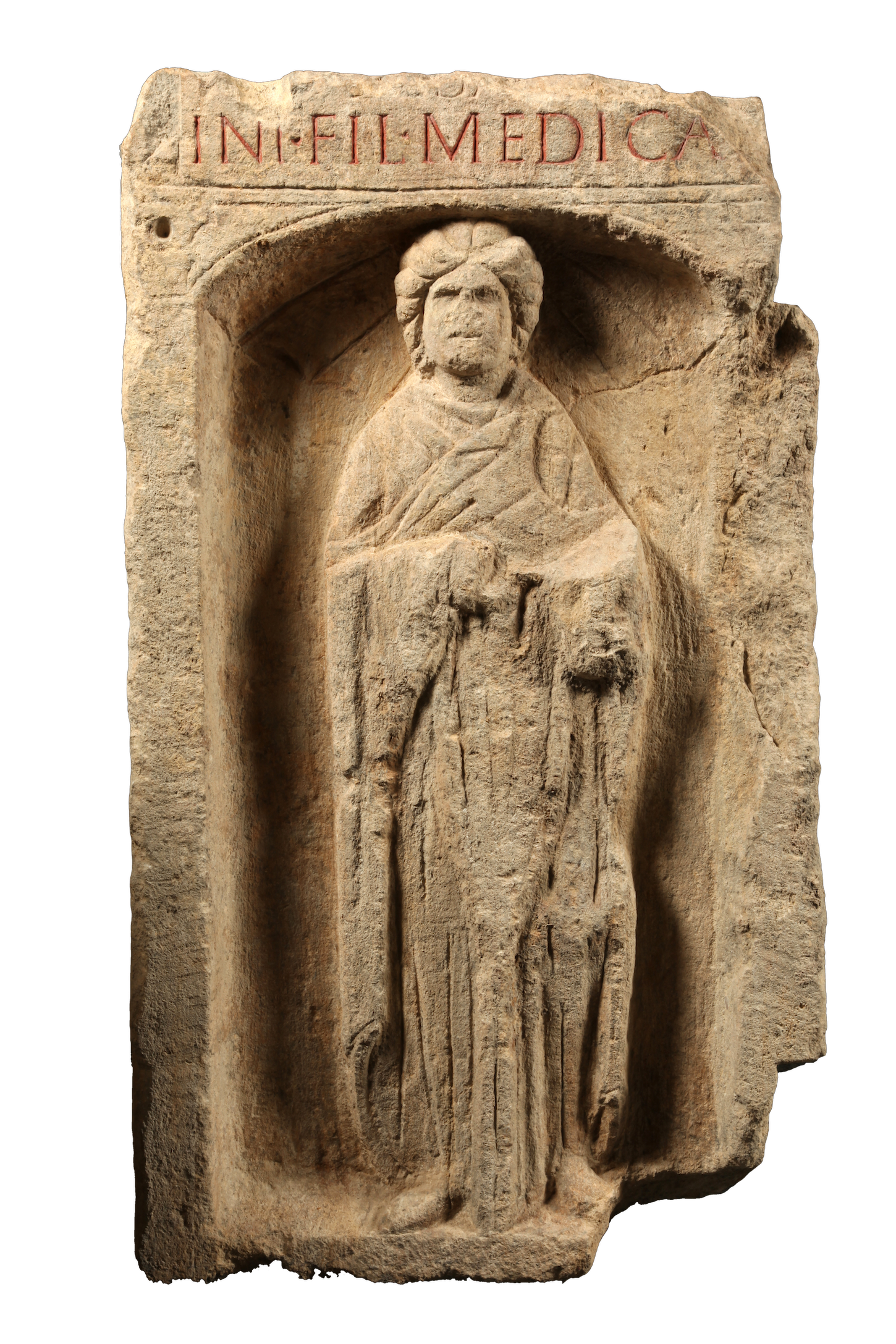 A grave marker for a female doctor, from Gaul.
 This sheet from a thirteenth-century manuscript has an Arabic translation of Dioscorides’ ‘De Materia Medica’.
 A marble portrait of Emperor Constantine.
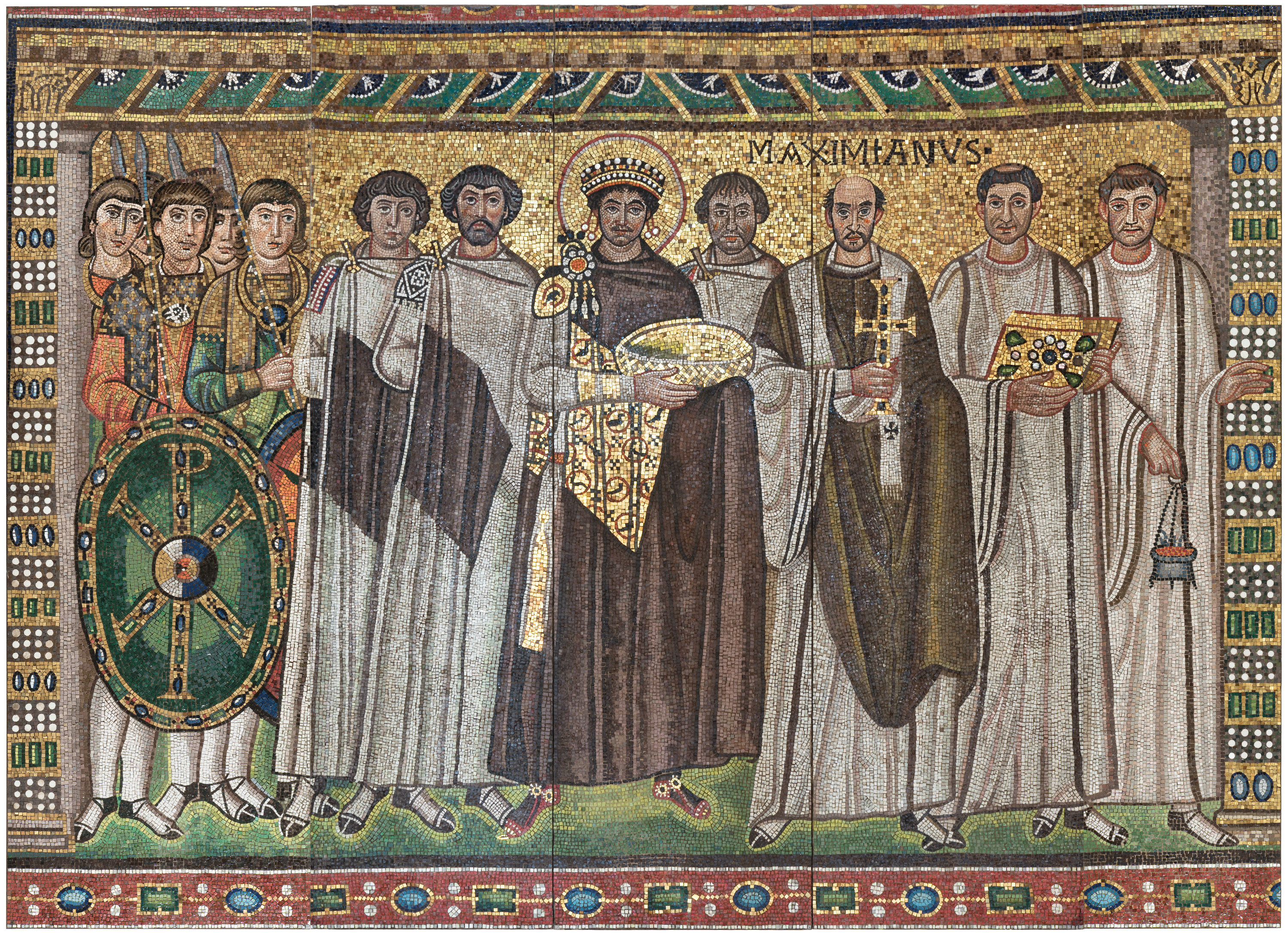 The Byzantine emperor Justinian (ad 527–565) and his court.
ACTIVITIES AND GAMES (TRACKED)
Autograded translations

Autograded translation:
Language Practice
Chpt 27, Ex. 1 (27.1)
Autograded translation:
Language Practice
Chpt 27, Ex. 2 (27.2)
Autograded translation:
Language Practice
Chpt 27, Ex. 3 (27.3)
Sorting
Sorting 27.1:
Indicative or subjunctive?
Sorting 27.2:
What gender (ipse)?
Sorting 27.3:
Which declension (3rd, 4th, or 5th)?
Sorting 27.4:
What case of participle?