
19. LACRIMAE
WEBLINKS
IMAGE GALLERY
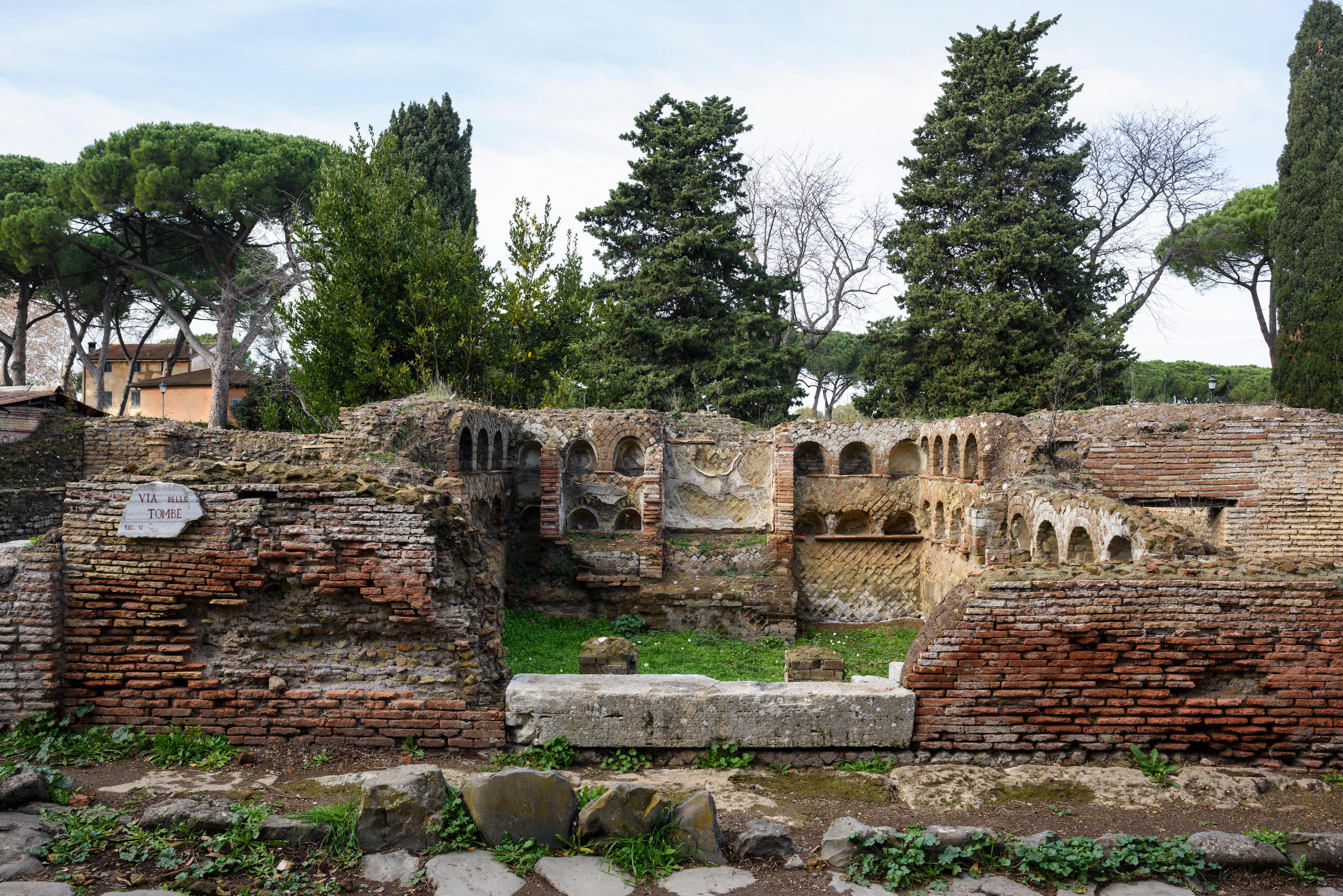
A columbarium at Ostia.
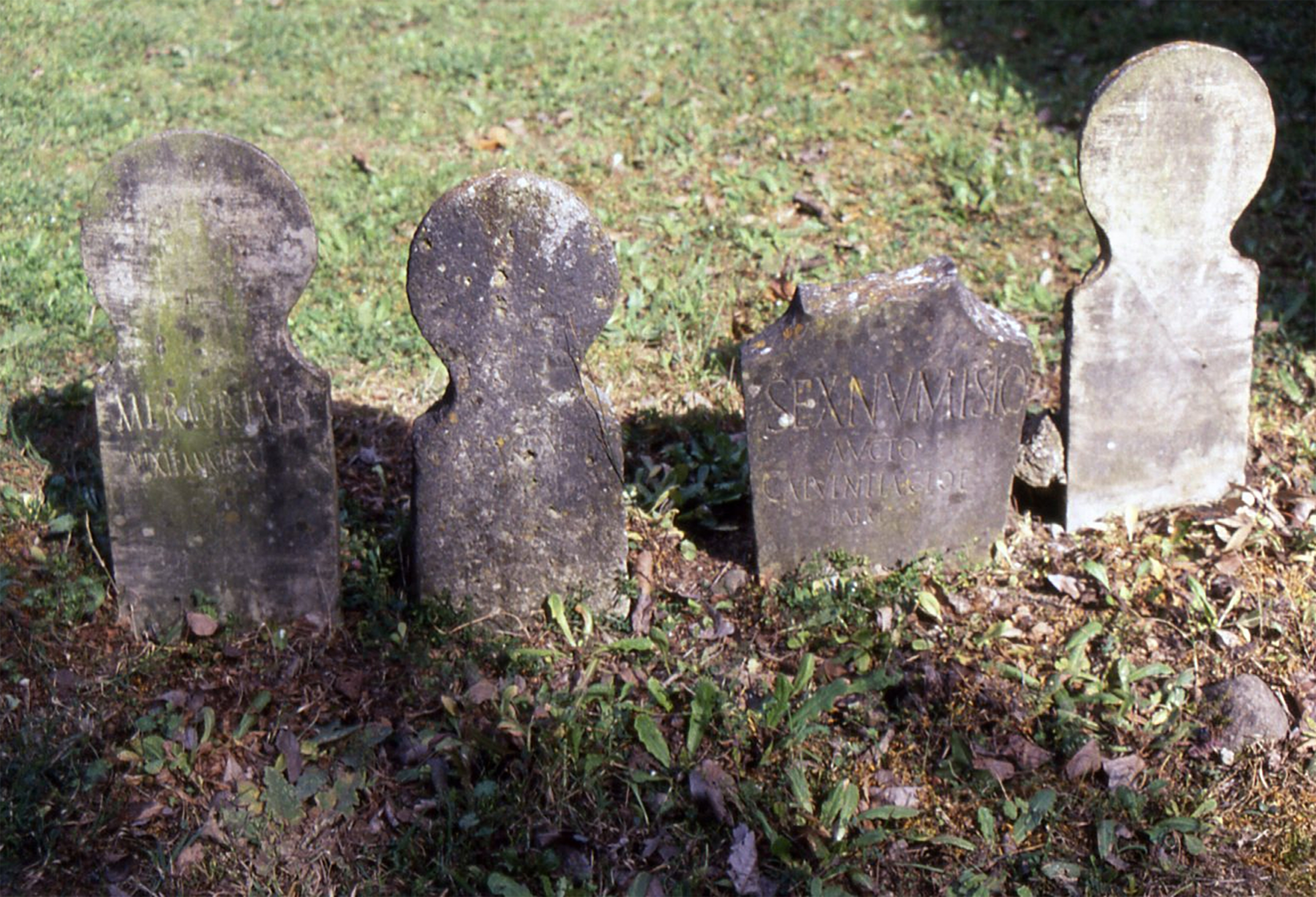
Stylized busts, called columellae, marked the site where urns containing the ashes of the dead were buried. These were found at Pompeii.
 A mosaic from the House of the Faun, depicting a scene of the River Nile in Egypt.
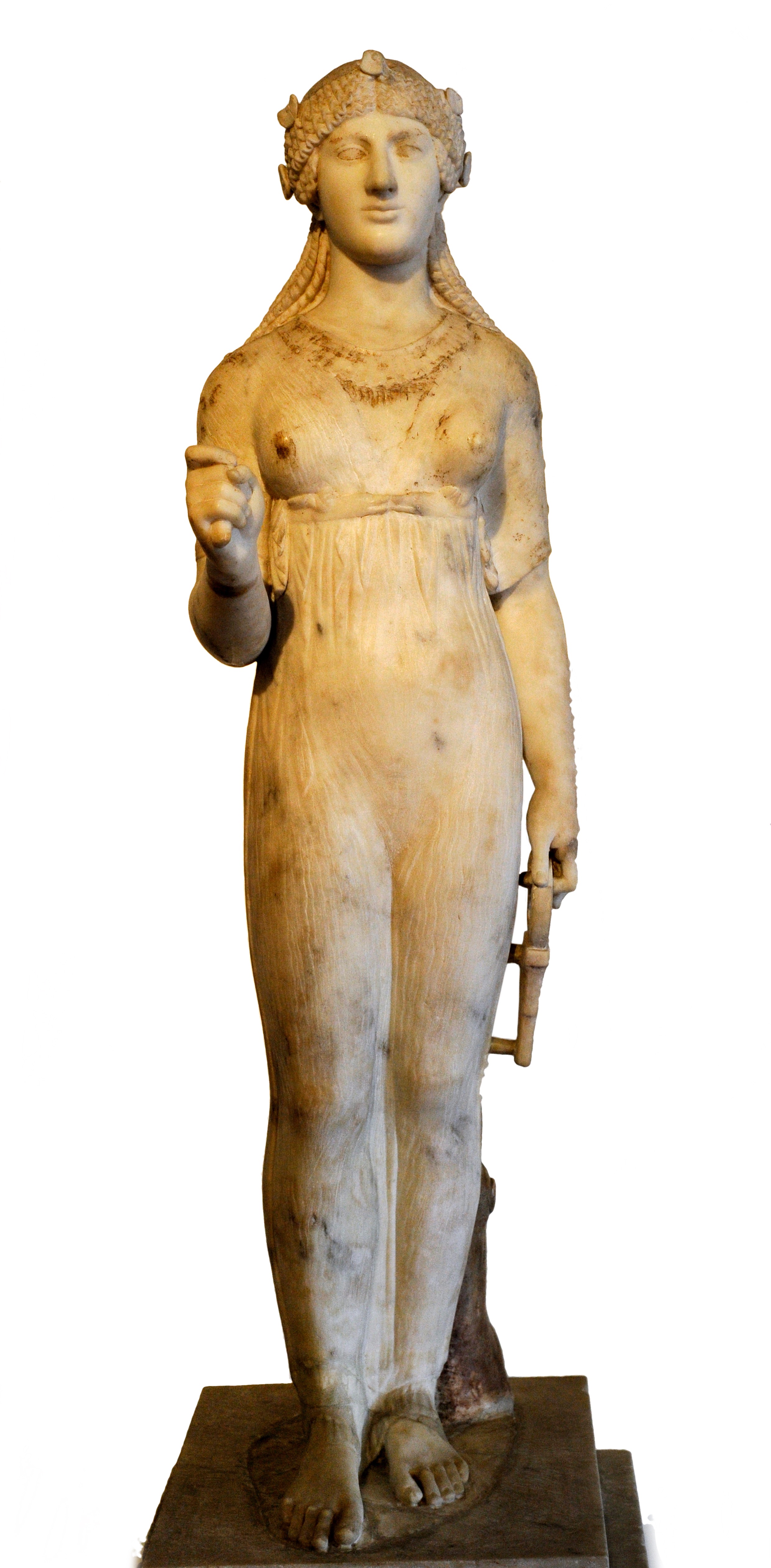 A marble statue of Isis which was found in the portico of the Temple of Isis in Pompeii. In her left hand she holds an ankht, the symbol of life. Her right hand would have held a sistrum, which is now missing. Many traces of colour remain on the surface.

A bronze sistrum. It was shaken to make a jingling noise during ceremonies, to ward off evil. Statues of Isis often depict her holding a sistrum and many sistra have been found in Pompeii.
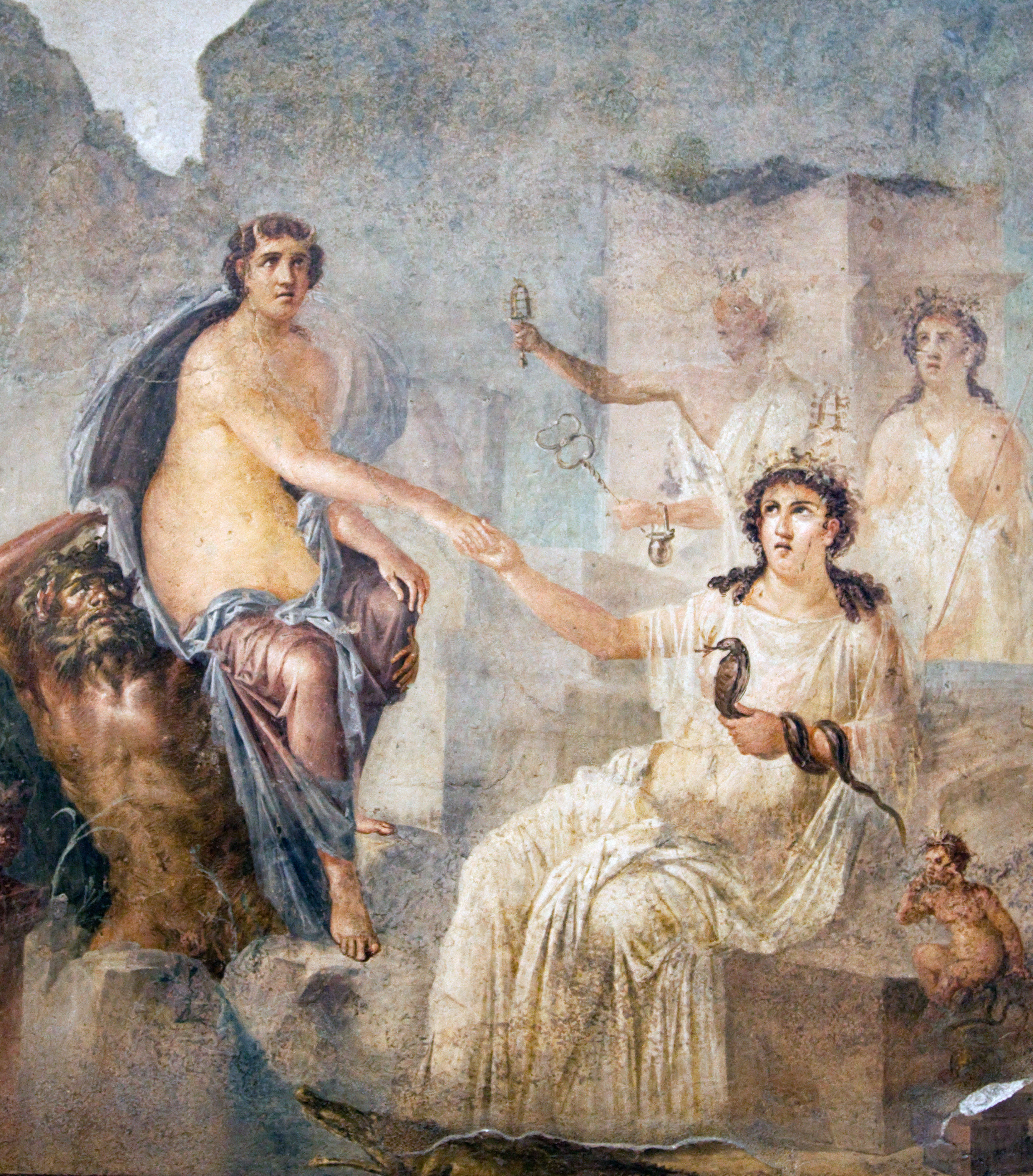
A wall painting from the Ekklesiasterion, showing Isis welcoming the Greek princess Io in Egypt. Isis is shown holding a snake, with a crocodile at her feet, both symbolic of her Egyptian origins.
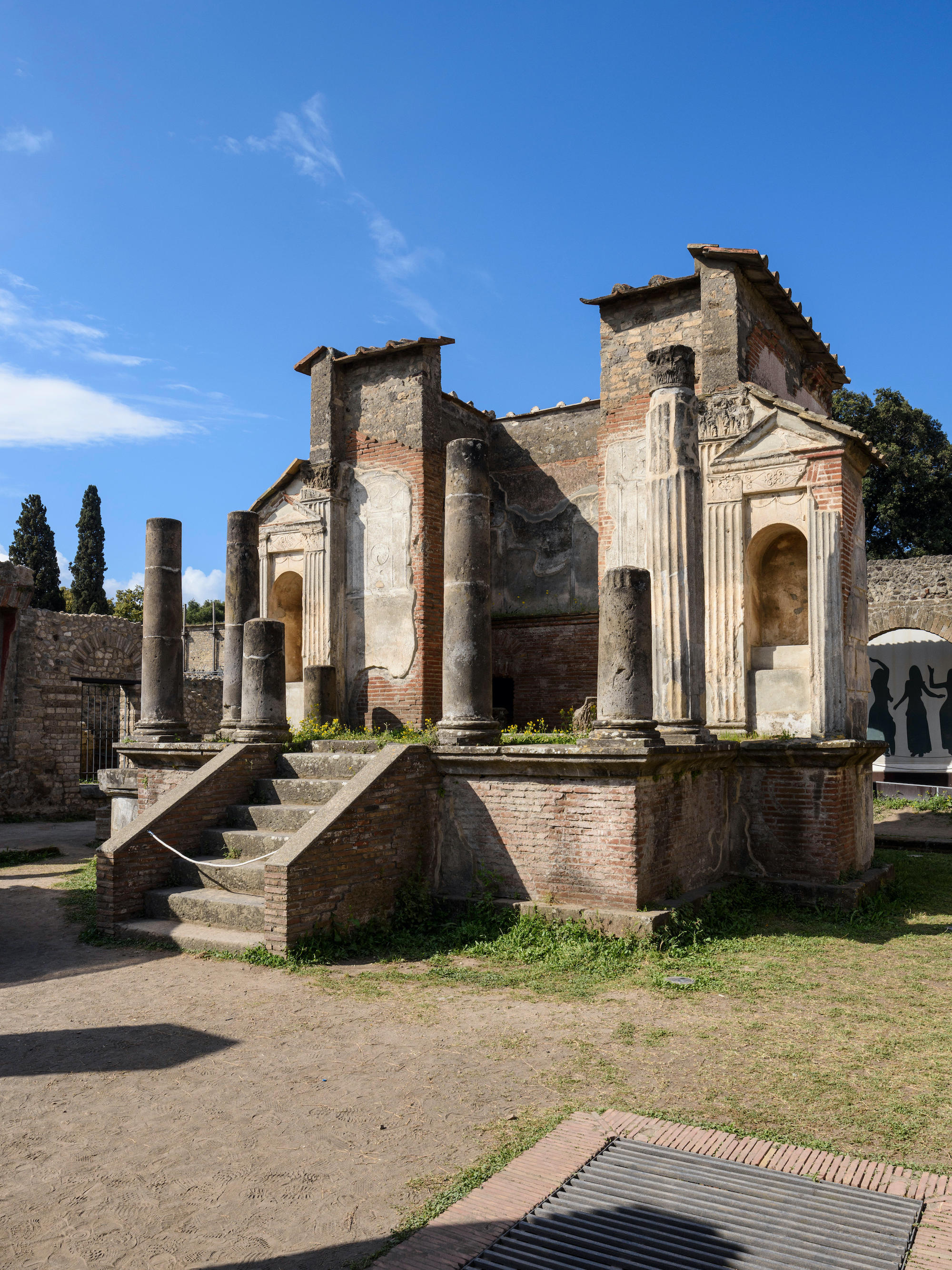
The temple of Isis at Pompeii as it looks today.

This silver cup was found at a villa at Boscoreale, just outside Pompeii. It is decorated with a ring of skeletons of famous Greek poets and philosophers, including Sophocles, Euripides, and Epicurus. Also engraved in Greek are Epicurean maxims including ‘Enjoy life while you can, for tomorrow is uncertain’, and ‘The goal of life is pleasure’. The decoration and wording were not meant to be spooky or morbid, but instead reminded drinkers to enjoy life to the full.

A stone grave marker which would have lain on top of the tomb. It was dedicated to a woman called Tyrannia by her husband. The hole in the centre allowed libations of milk, honey, wine, or oil to be poured into the tomb as offerings to the deceased.
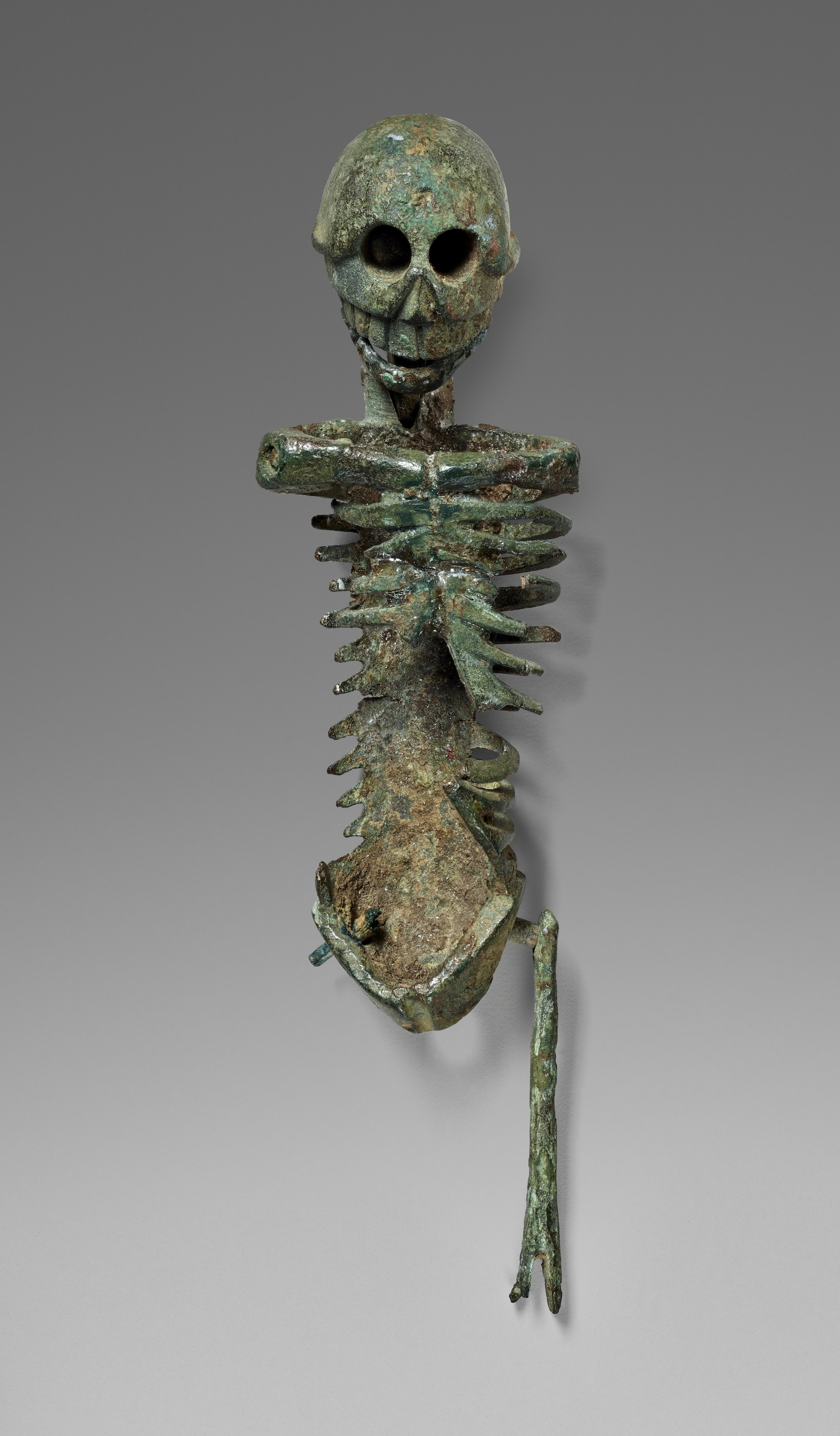
A miniature bronze skeleton, about 7cm tall. The arms and legs would have been movable.
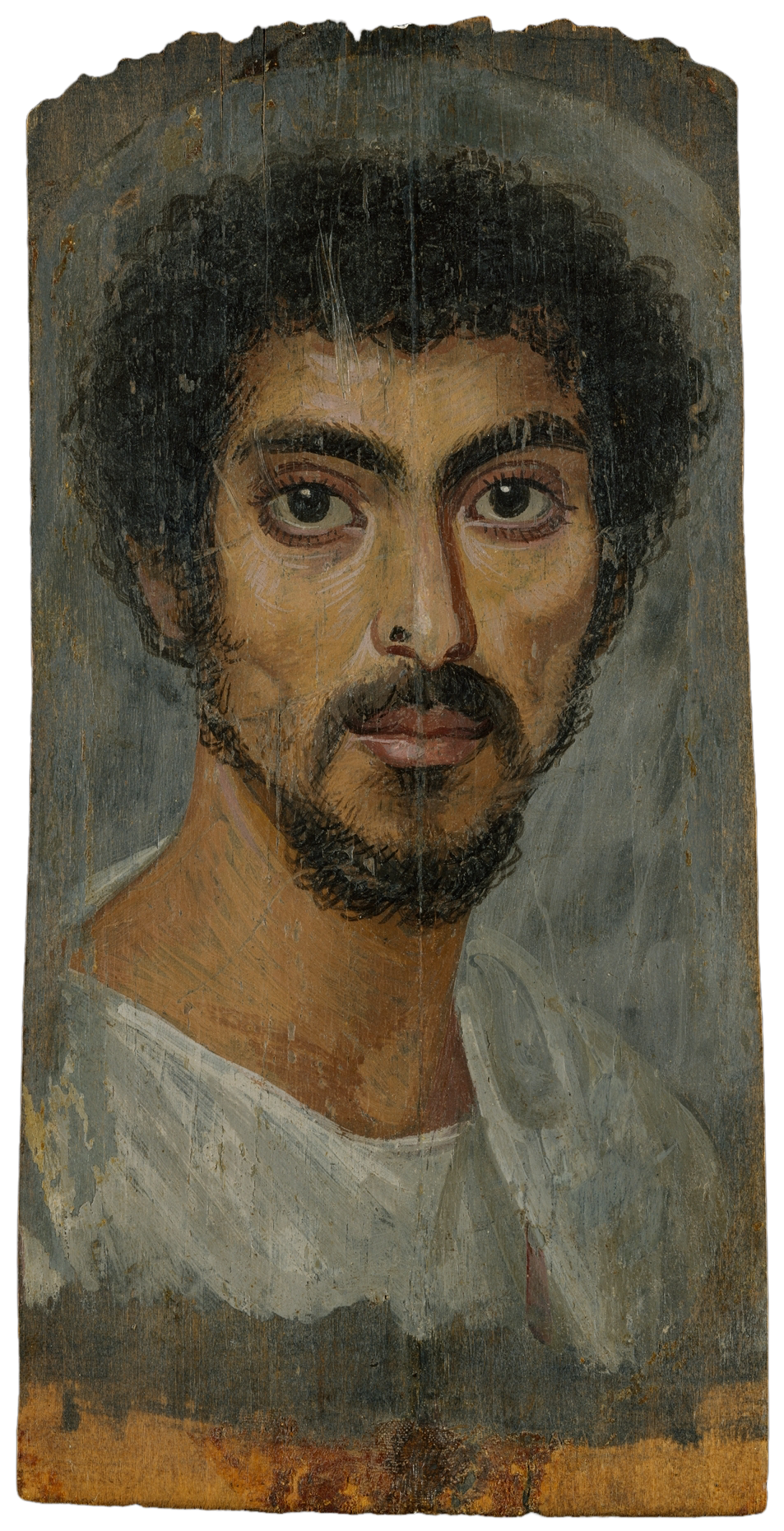
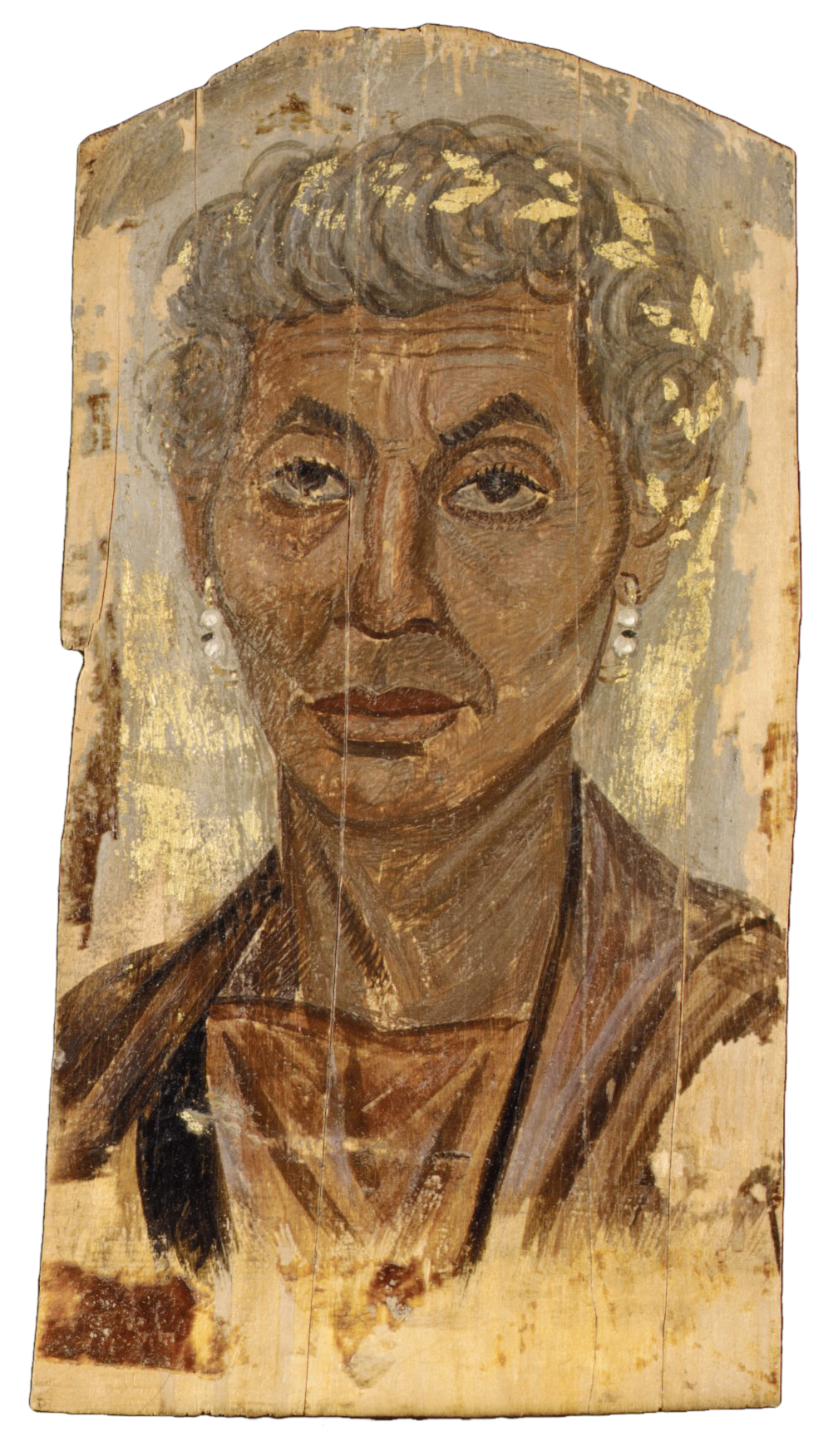

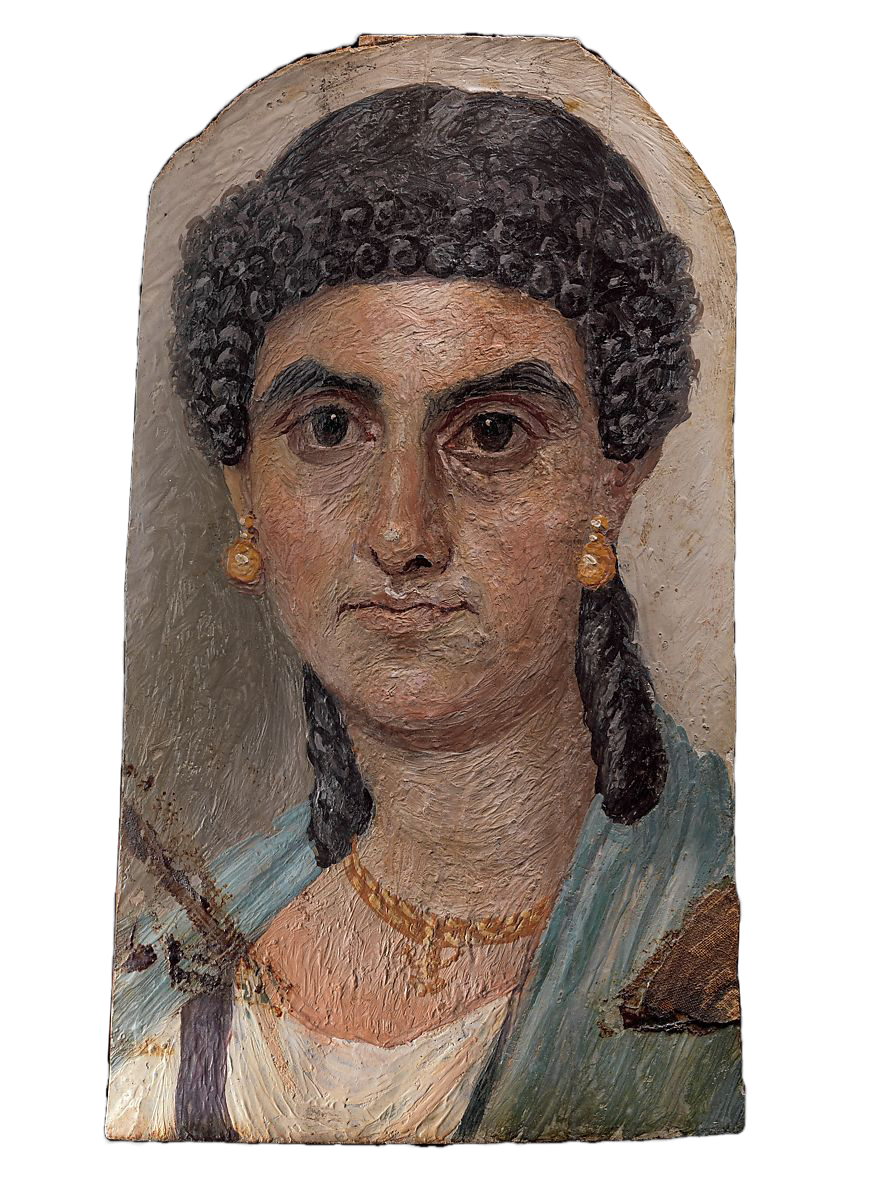
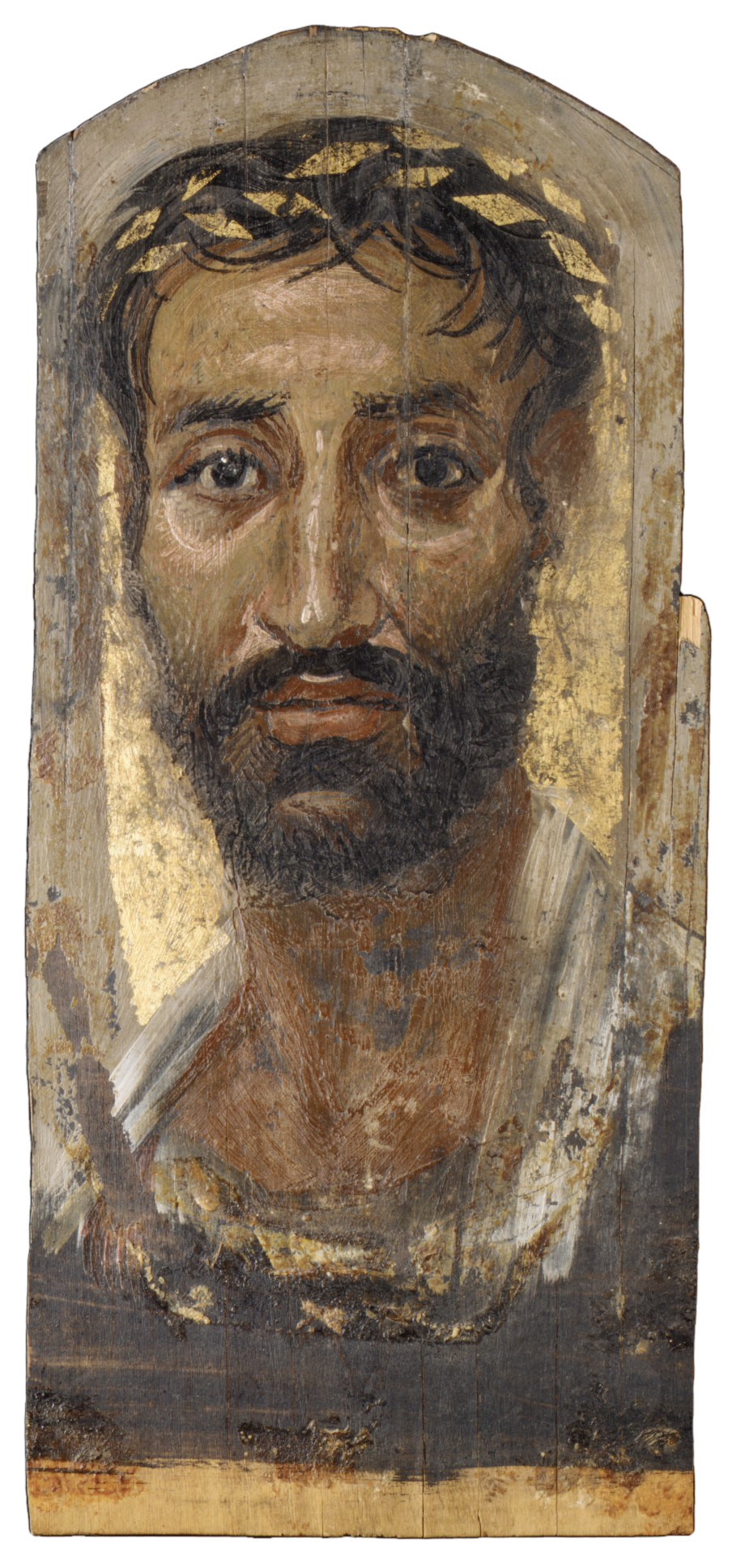
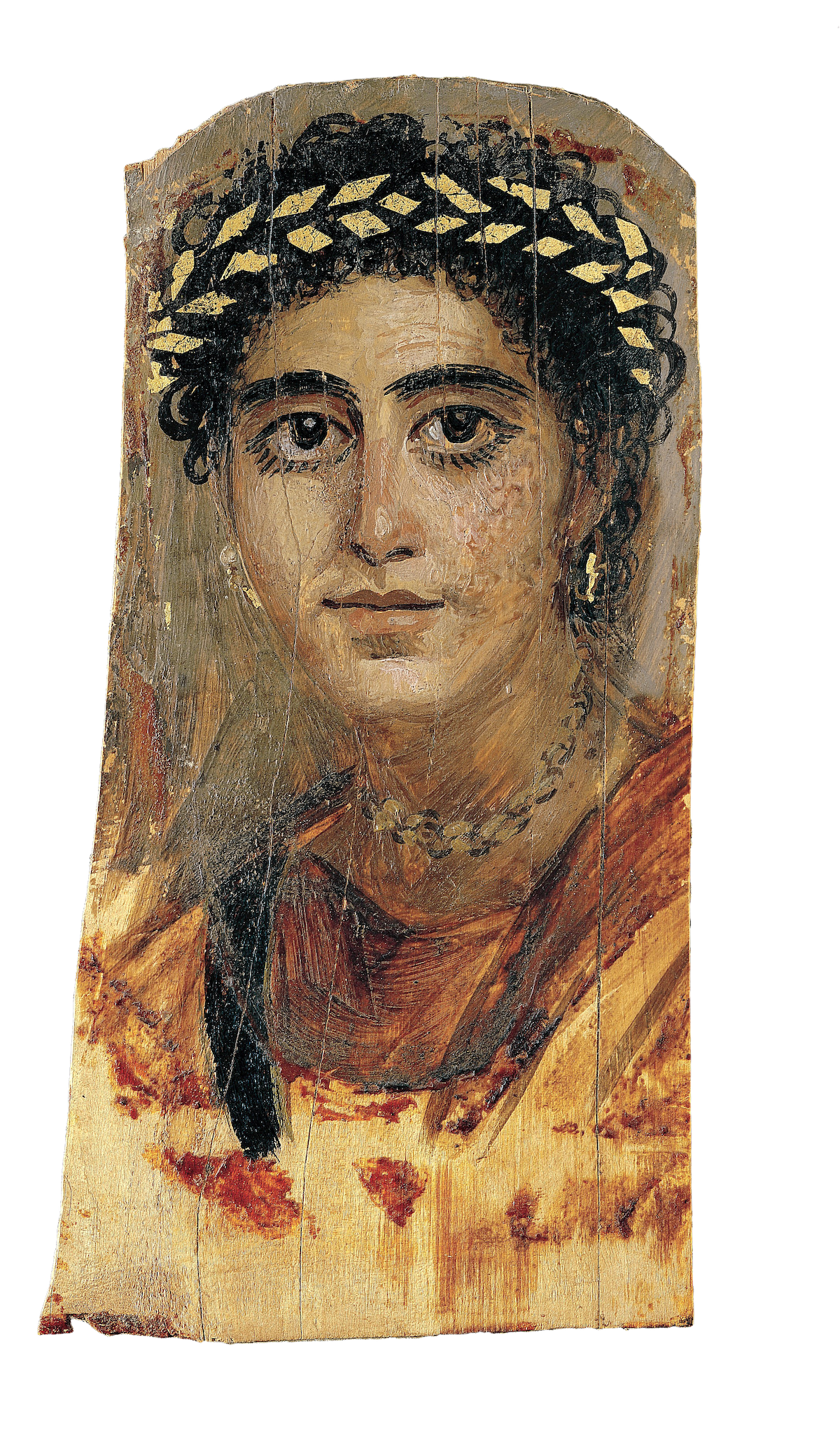
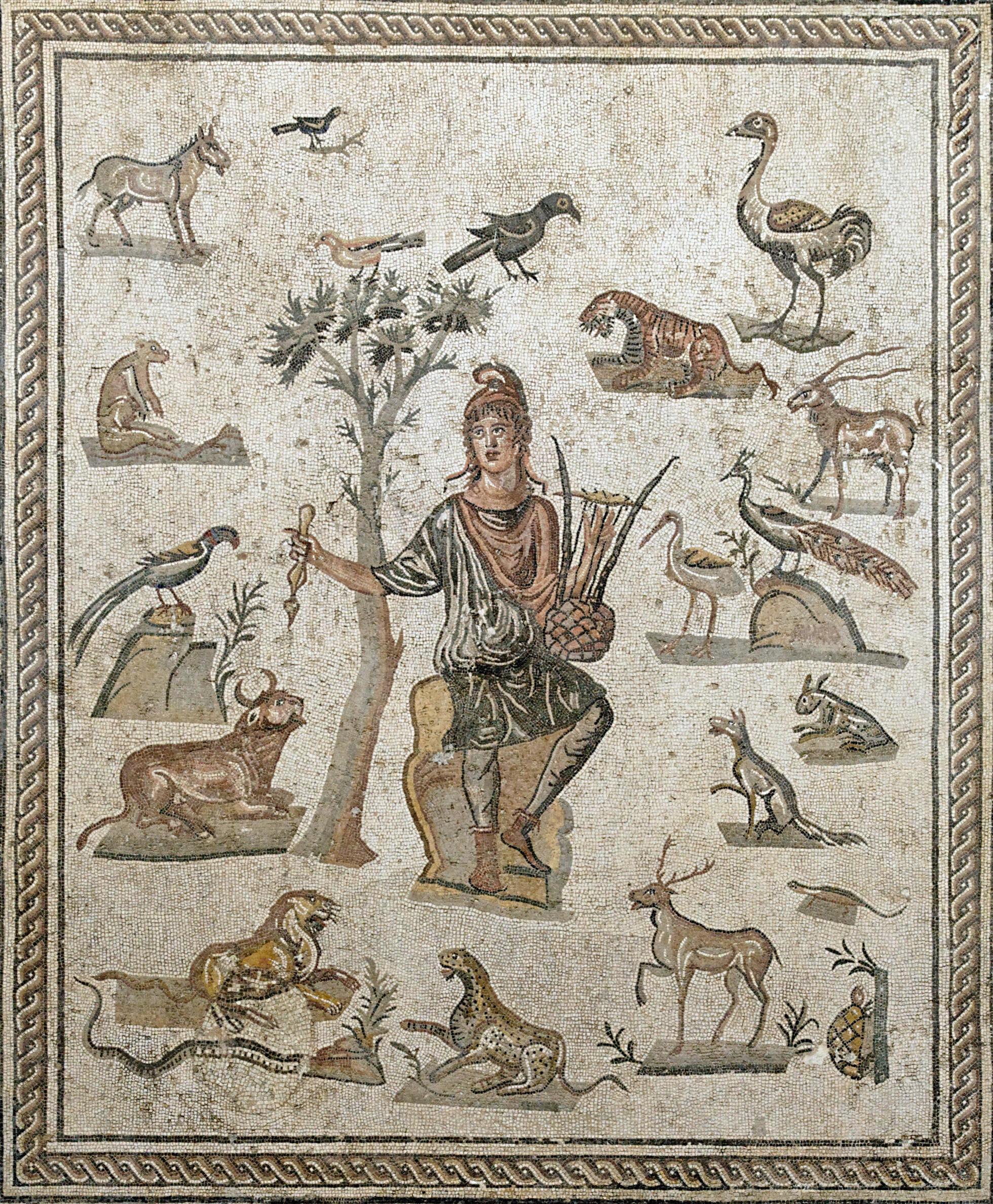
A Roman mosaic from Sicily.

Orpheus and Eurydice by the French sculptor Rodin.
ACTIVITIES AND GAMES (TRACKED)
Autograded translations

Autograded translation:
Language Practice
Chpt 19, Ex. 1 (19.1)
Autograded translation:
Language Practice
Chpt 19, Ex. 2 (19.2)
Sorting
Sorting 19.1:
Participle or not?
Sorting 19.2:
Participles: which case?
Sorting 19.3:
Compound of fero?
Sorting 19.4:
fero - Which tense?
Sorting 19.5:
fero - Which form?
Verb trainers
Verb
trainer
Verb trainer
Present participles
Verb trainer
Present tense and participles
Verb trainer
fero, ferre, tuli