WEBLINKS
IMAGE GALLERY
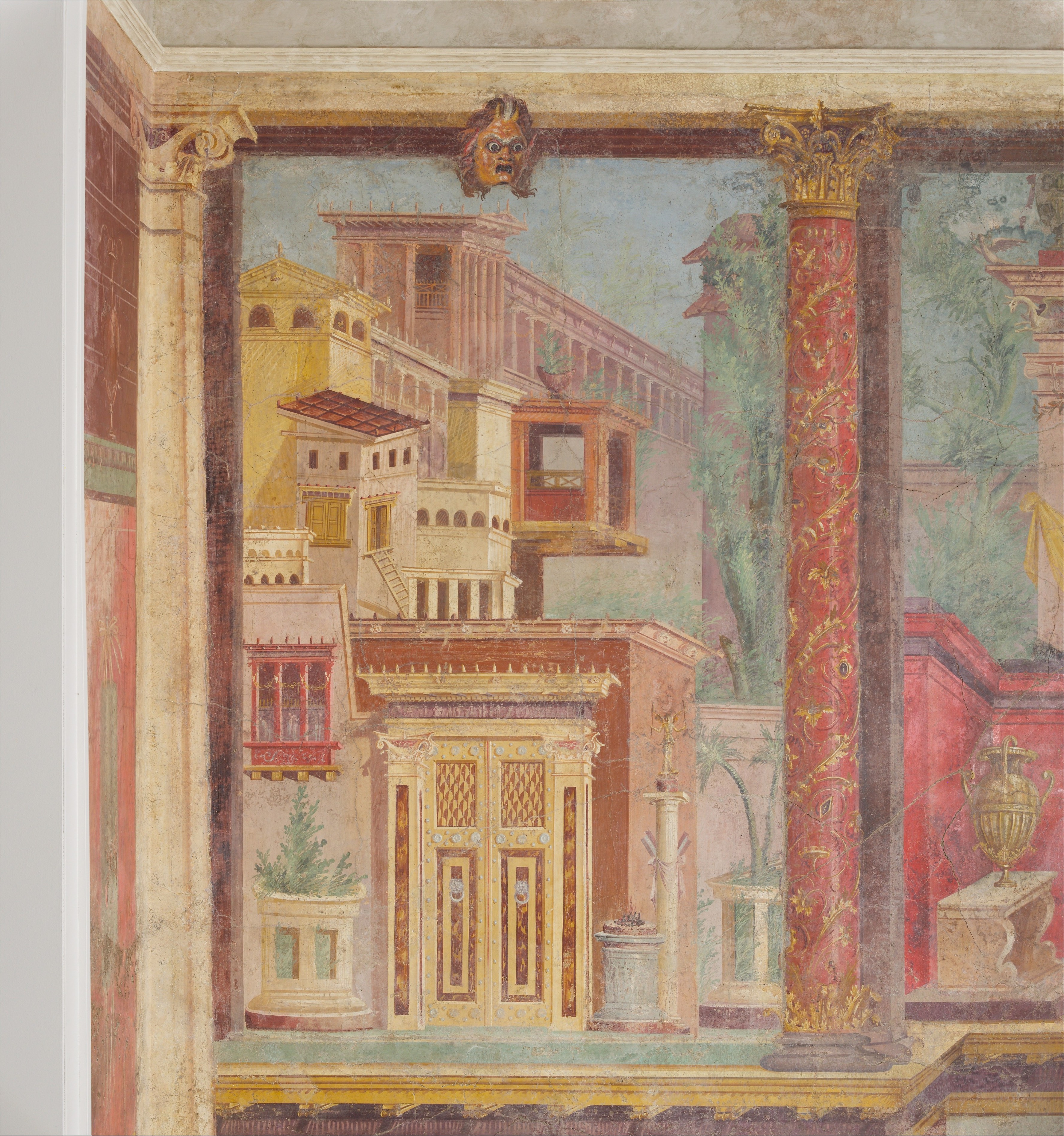
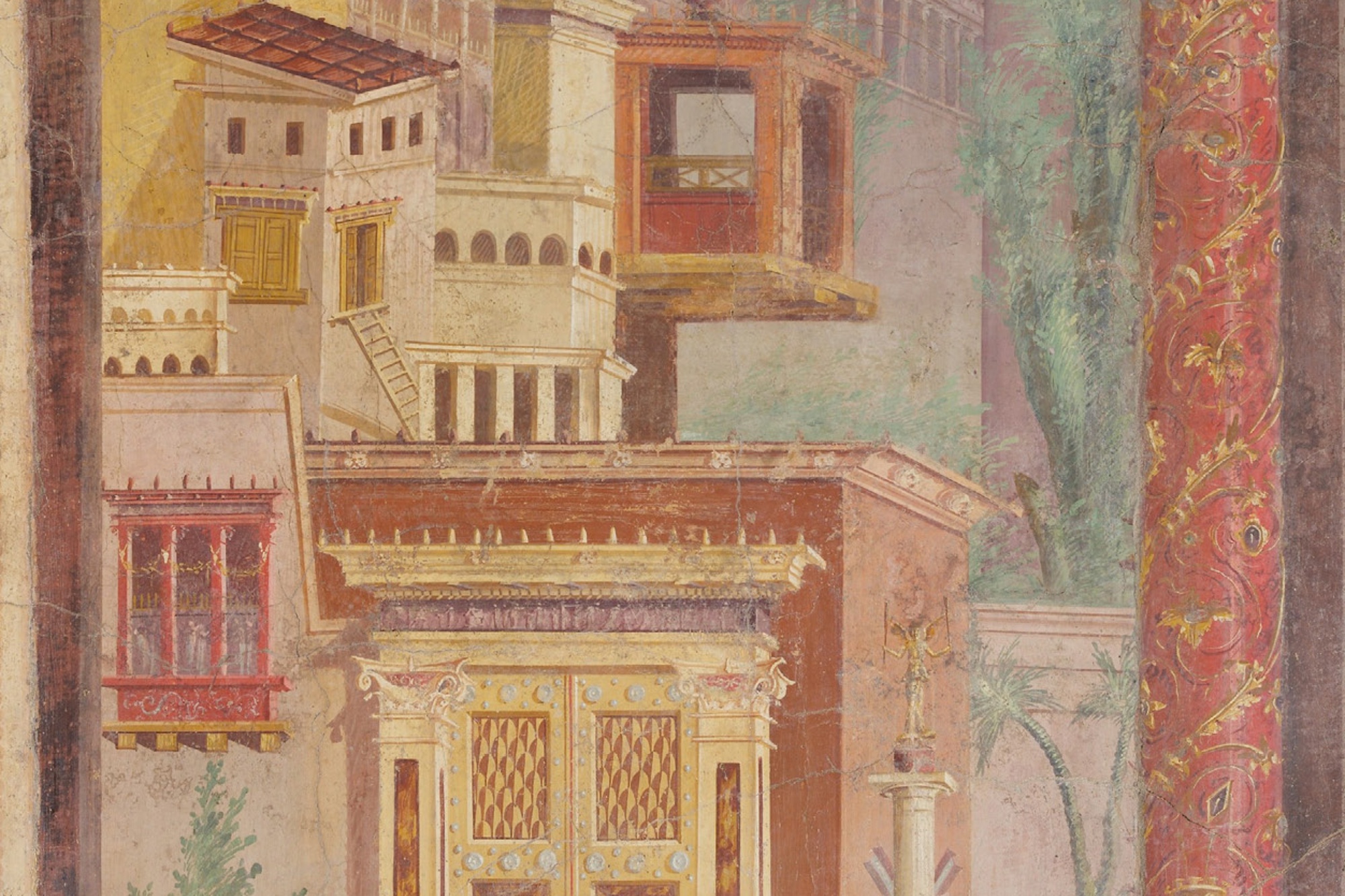
This wall painting is from the Villa of Publius Fannius Synistor at Boscoreale, near Pompeii.
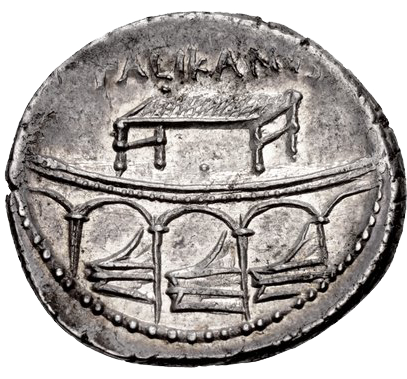
A coin showing the rostra.
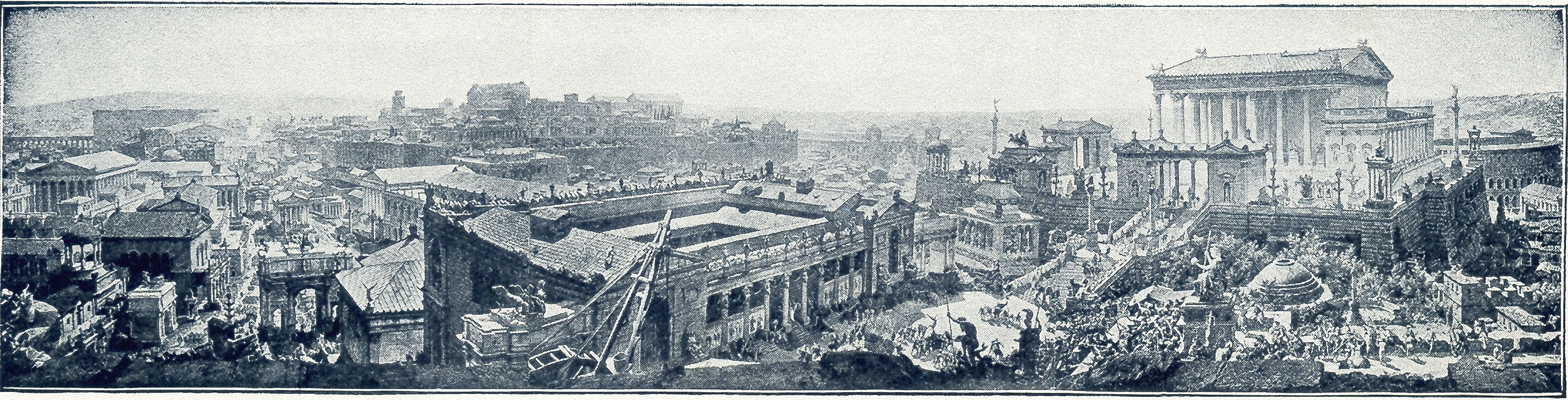
This illustration, from 1899, imagines the building work in the time of Emperor Augustus.

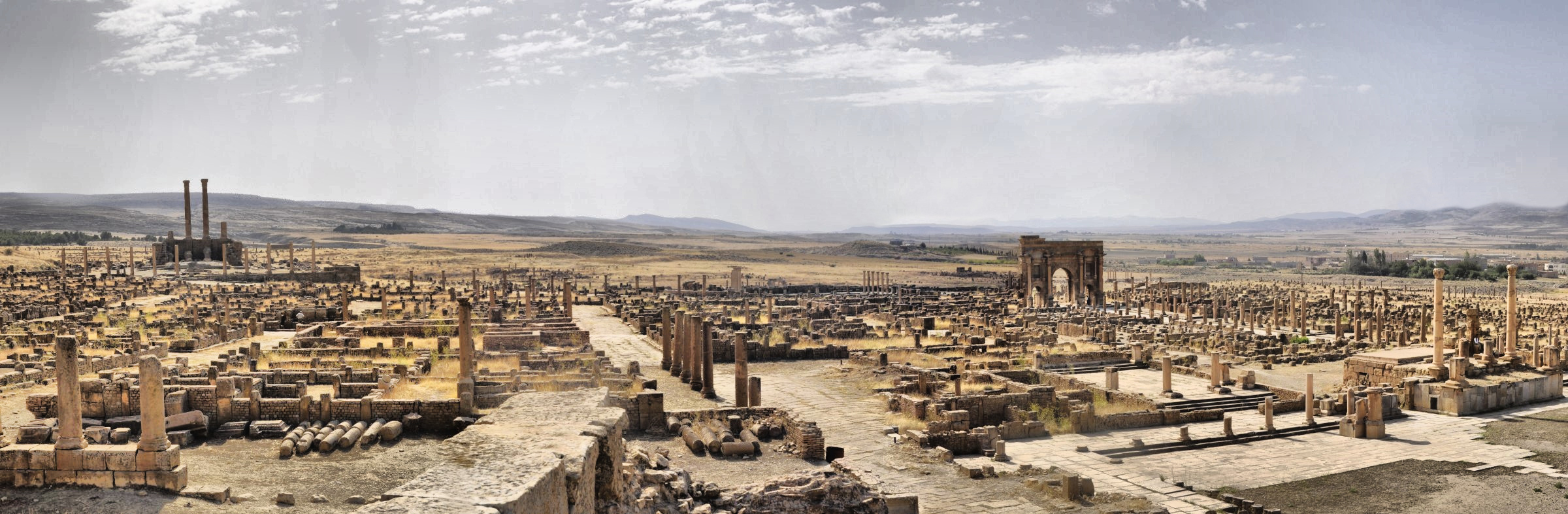 The archaeological site of Timgad.
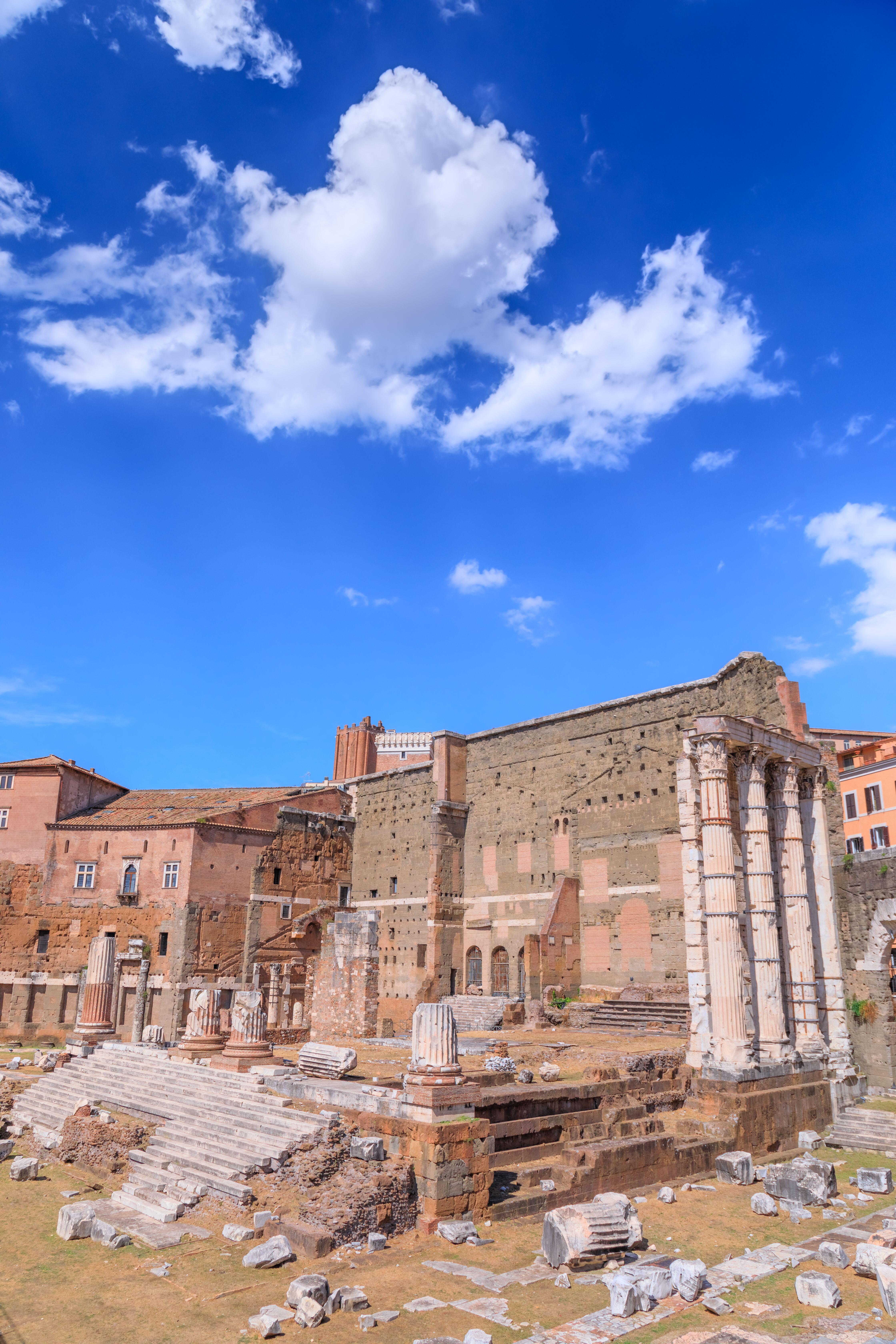 Parts of the Temple of Mars Ultor still stand in Rome. Behind the temple can be seen the firewall built by Augustus, which separates his forum from the Subura.
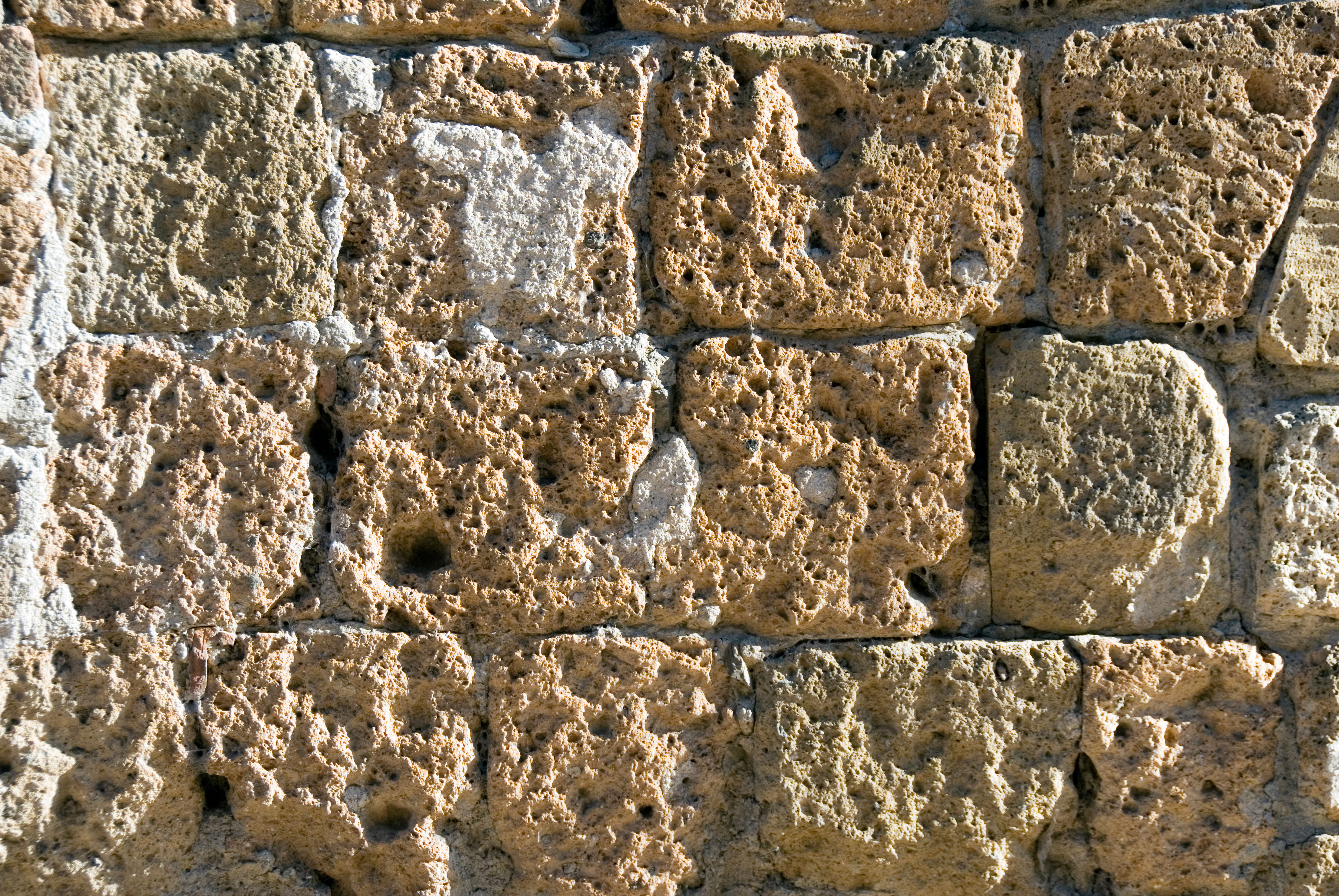 One of the most widely used stones was tufa, a volcanic stone which is porous, soft, relatively light, and readily available in the area in and around Rome.
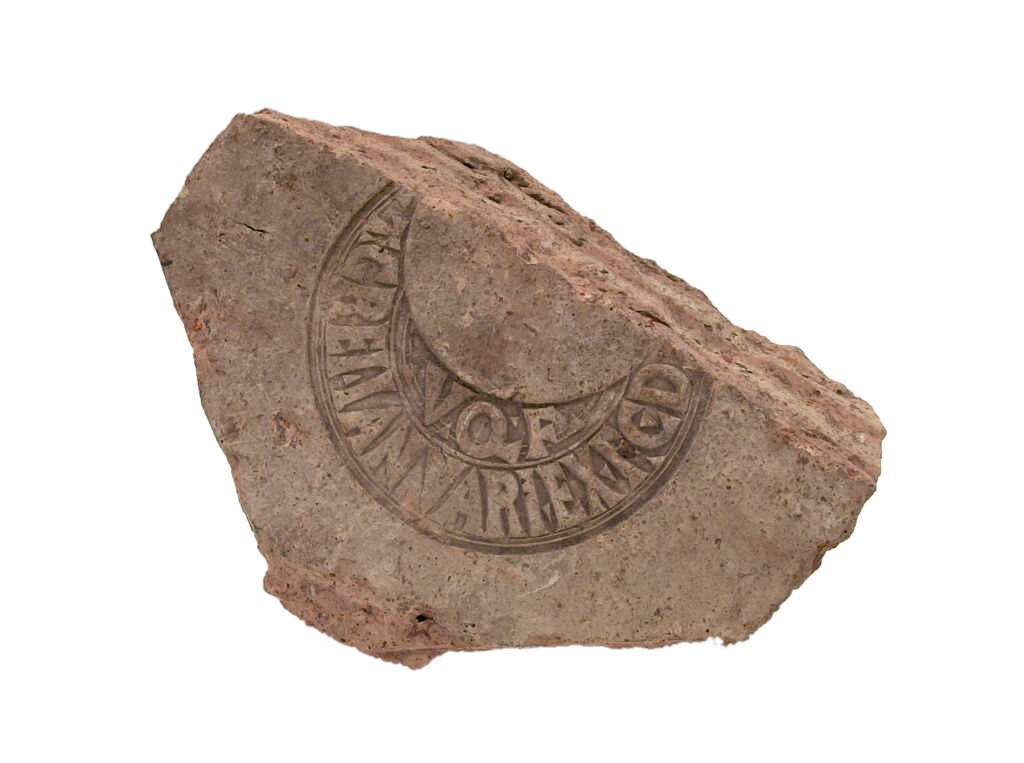 The stamp on this brick shows that it was made at the brickyard of Titus Greius Ianuarius. It can be dated to ad 60–93.
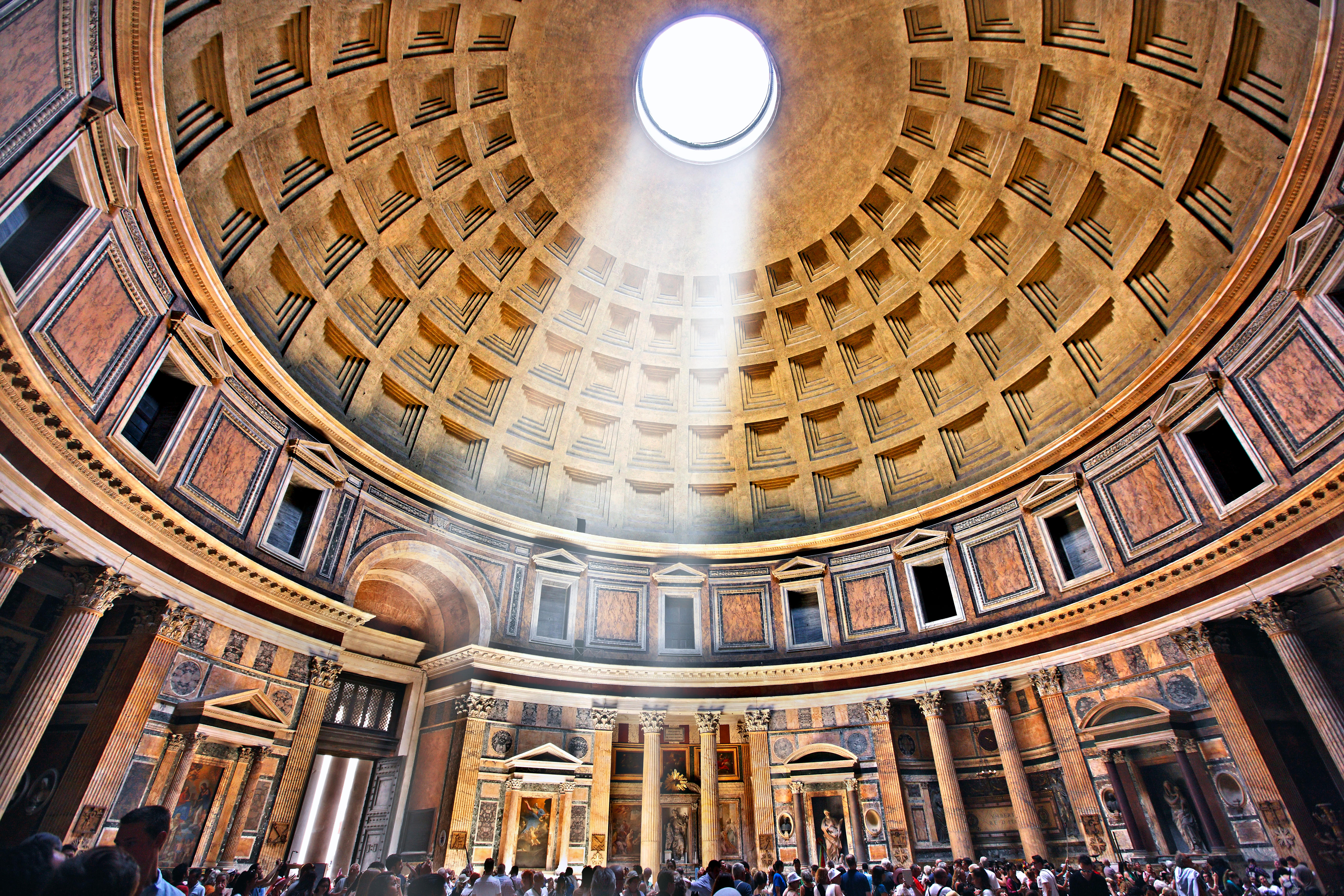 The dome of the Pantheon.
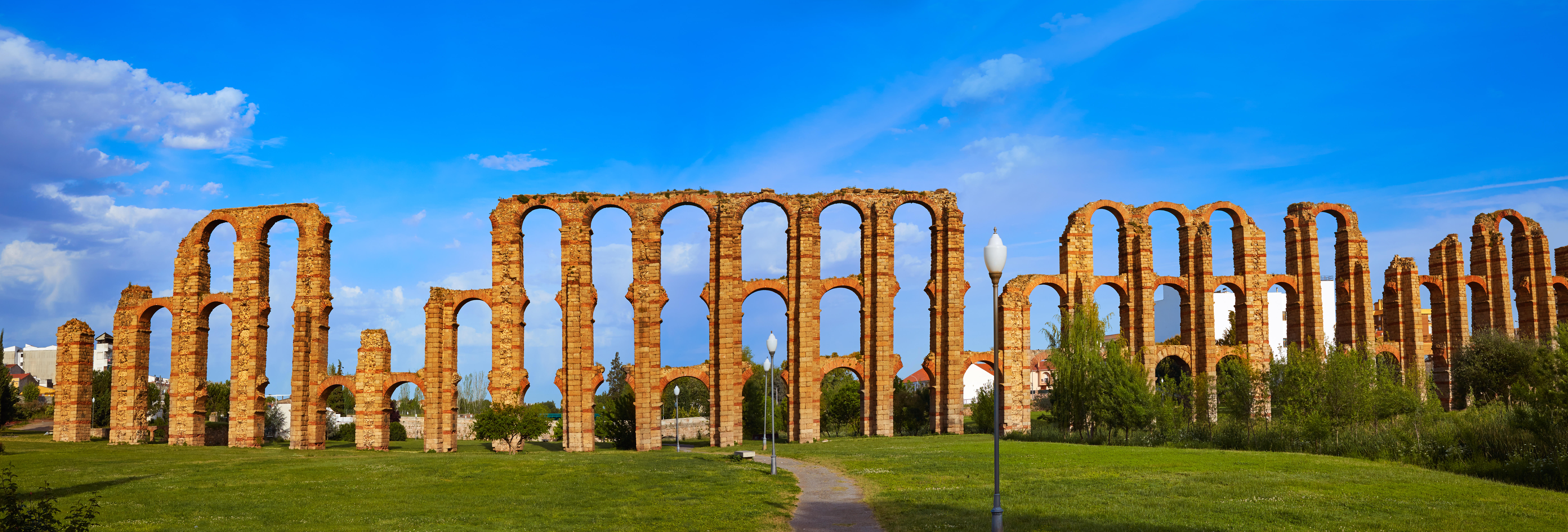 This aqueduct, now called the Acueducto de los Milagros (Aqueduct of the Miracles) was built during the first century ad to supply the colony of Emerita Augusta (modern Mérida) in Spain.
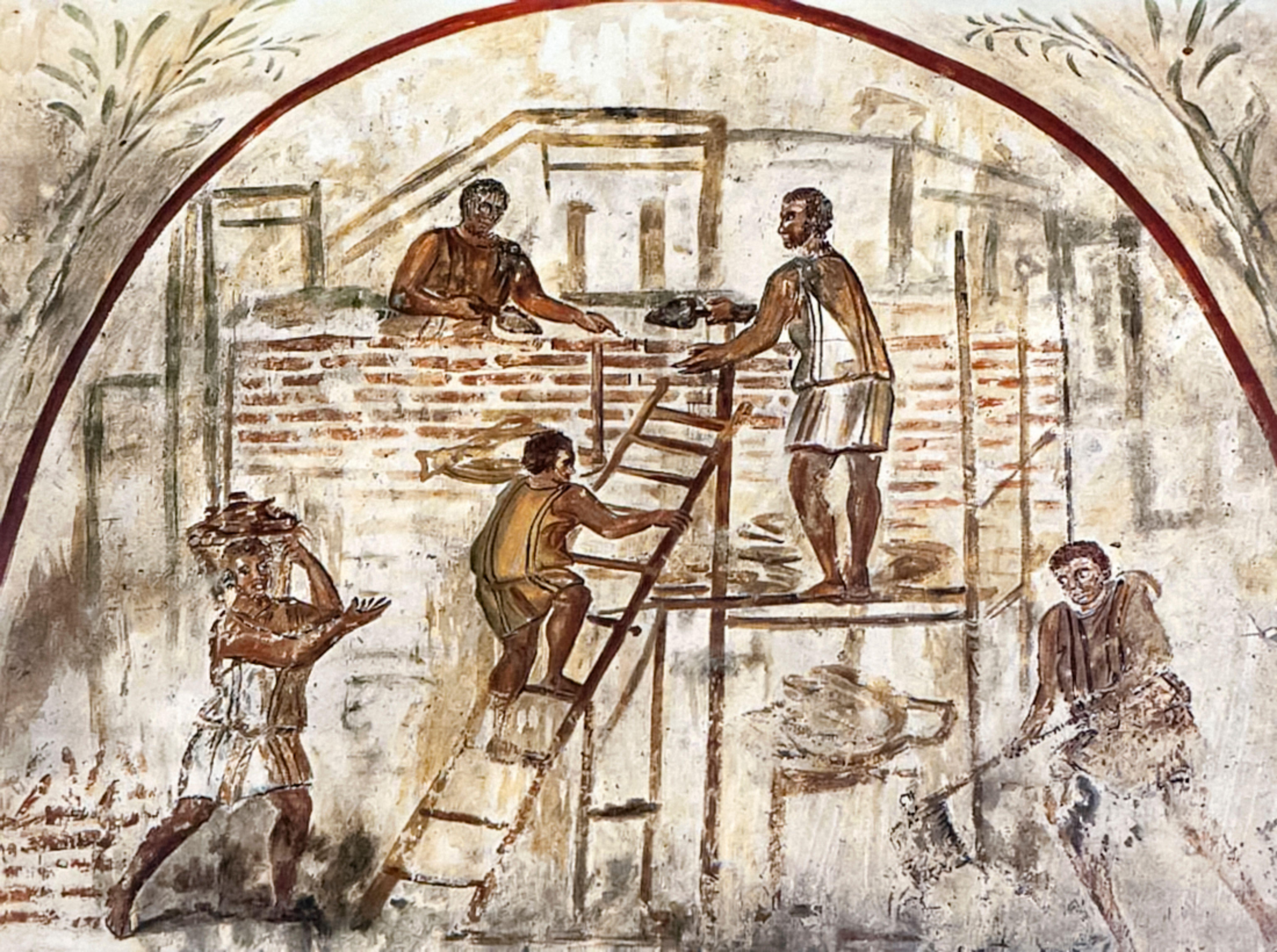 This wall painting shows a team of builders constructing a wall. It is from the Hypogeum of Trebius Justus along the Via Latina in Rome.
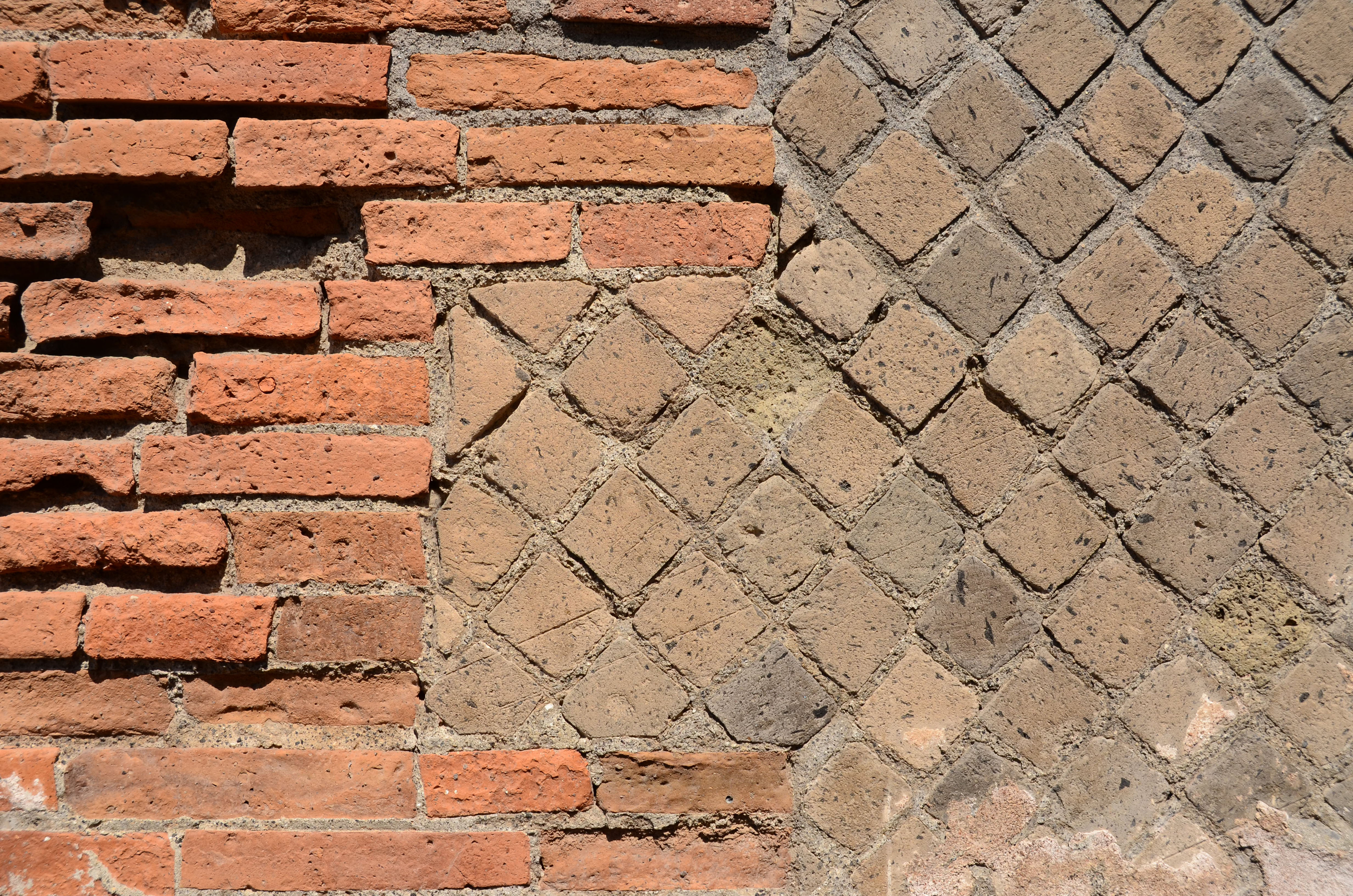 This section of wall demonstrates two styles of Roman wall. On the left opus testaceum, and on the right opus reticulatum.
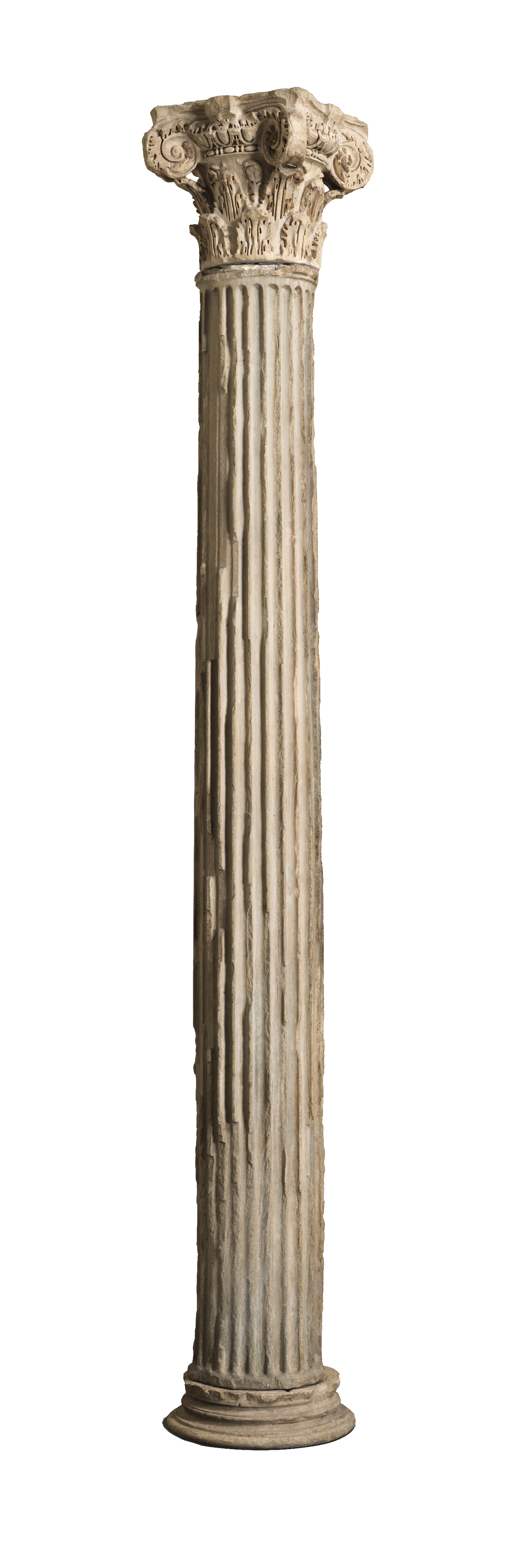 This marble column is from the early second century ad and is over 13 feet in height.
-hi.jpg) This replica Roman crane is capable of lifting loads of up to 5 tons to a height of 26 feet.
This replica Roman crane is capable of lifting loads of up to 5 tons to a height of 26 feet.
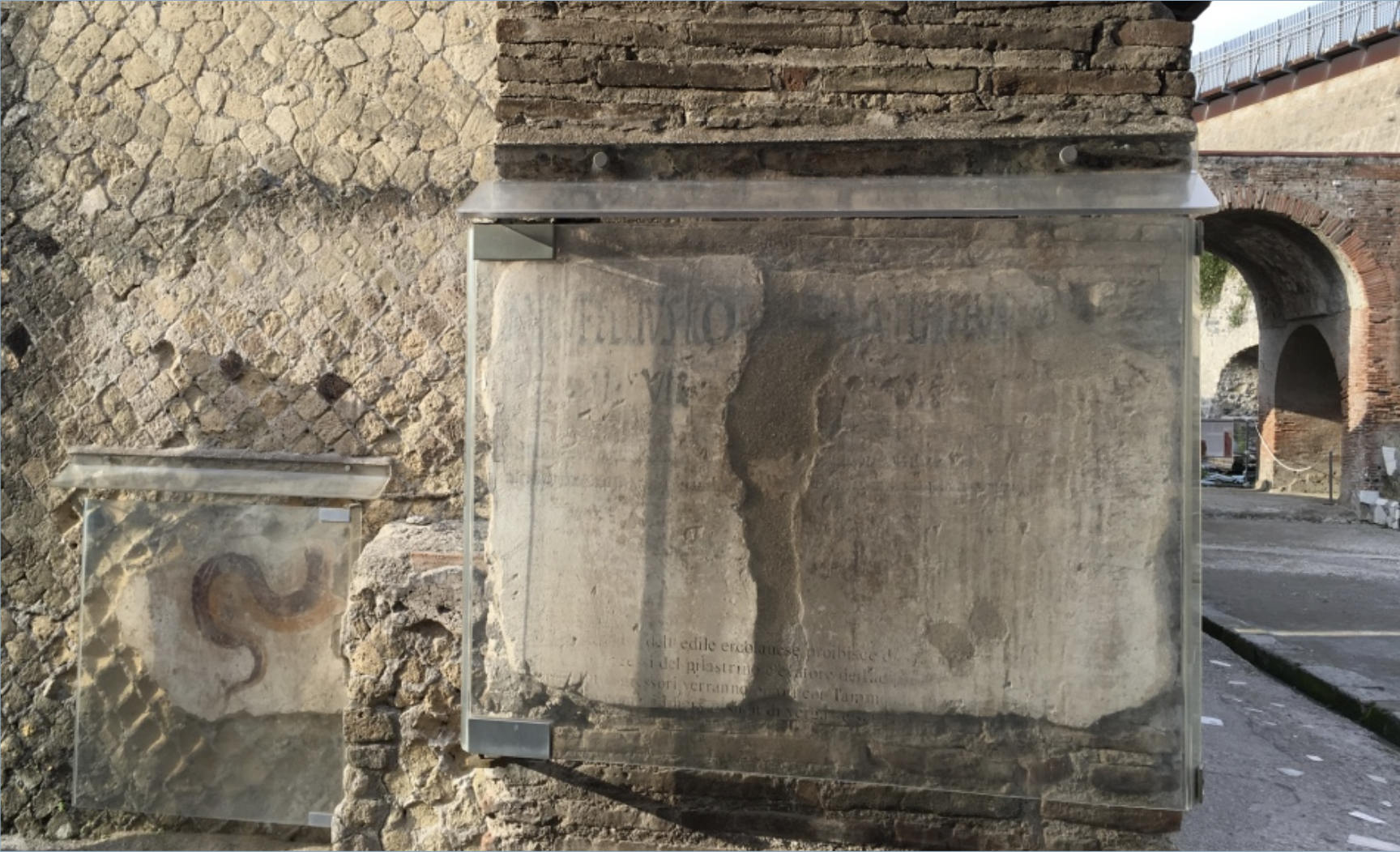 The edict of the aedile Marcus Alficius Paulus was painted on a wall next to a water tower in Herculaneum. The words are still partly visible today.
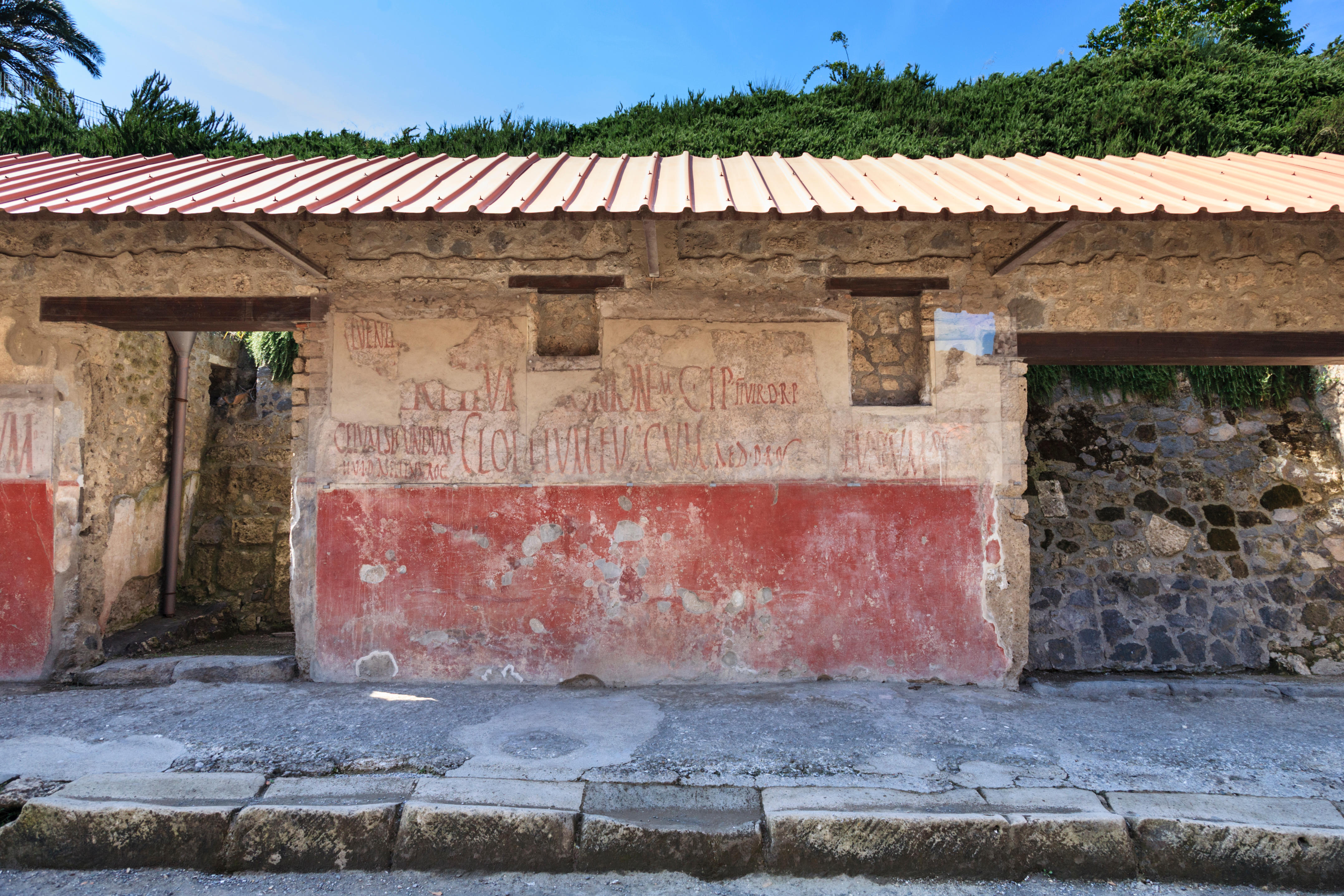 Political graffiti, endorsing the election of individuals to public offices, can still be seen on the walls in Pompeii. Professional signwriters were hired by candidates or their supporters to paint slogans on the walls.
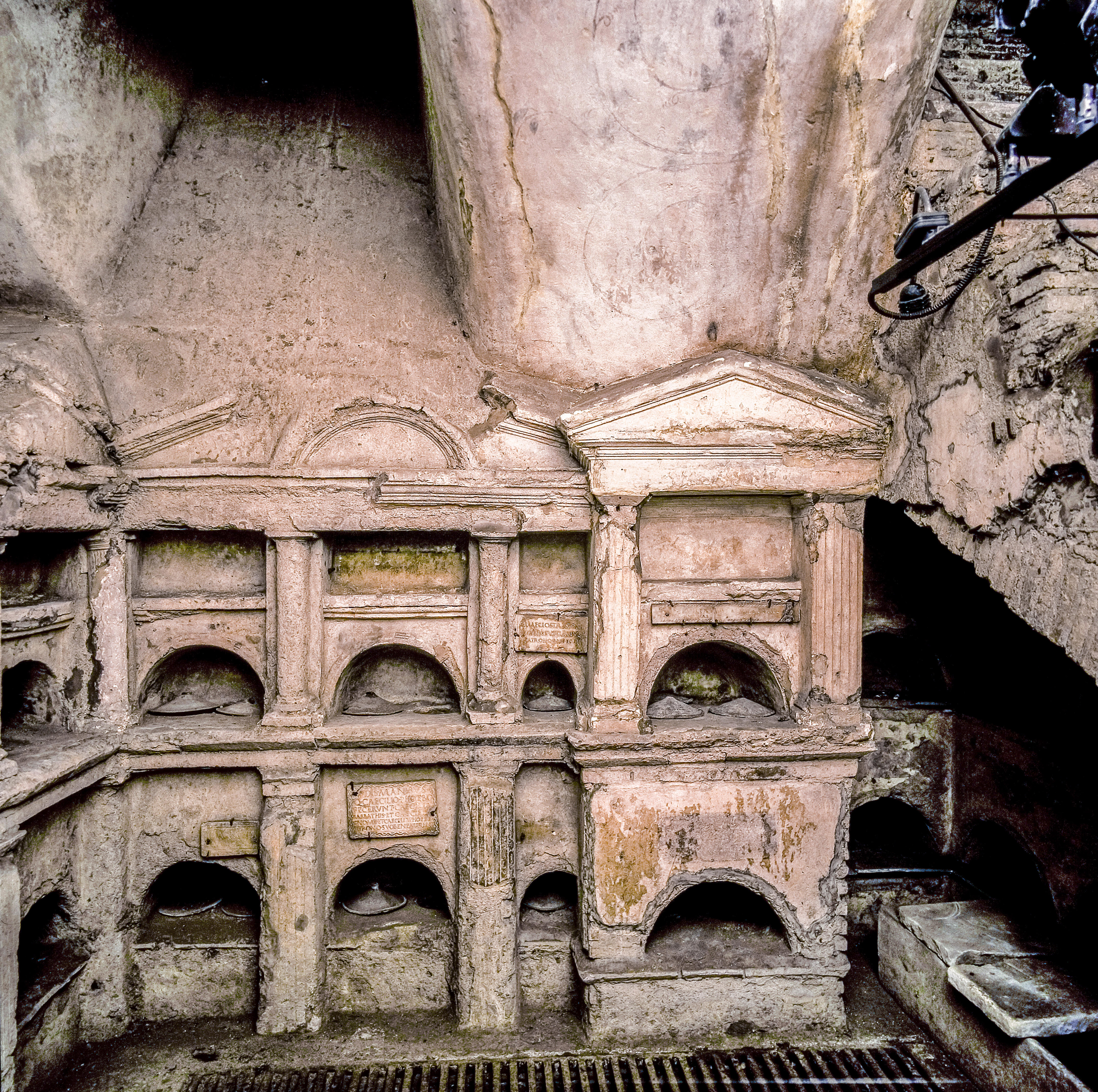 This is the inside of the columbārium of Pomponius Hylas, near Rome. Columbaria are chambers where the Romans kept the ashes of the dead. The small niches on the walls would have held cinerary urns.
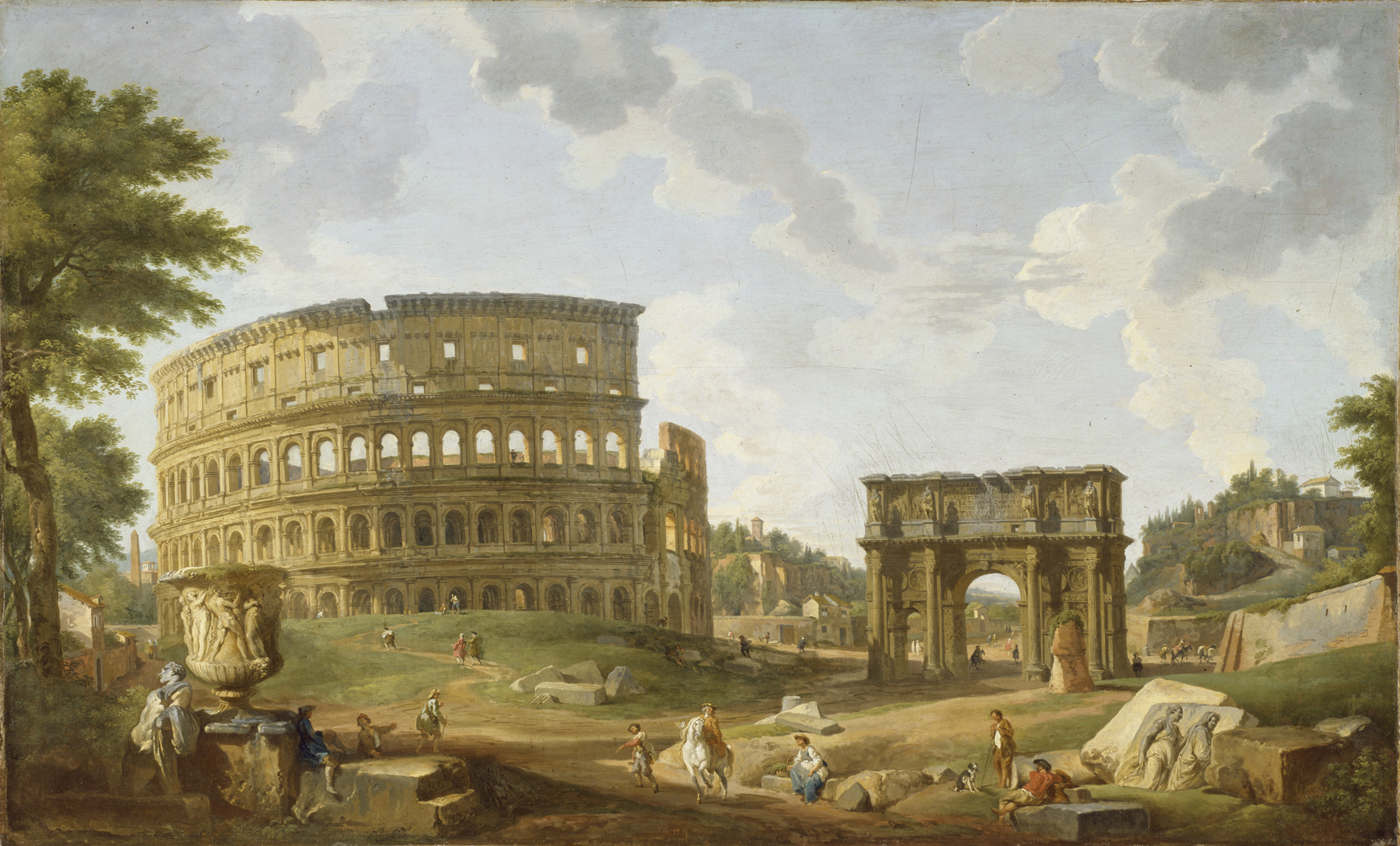 Giovanni Paolo Panini painted this view of the Colosseum in 1747. It is an imagined landscape, showing both the Colosseum and the Arch of Constantine at their best angles. He has also included a famous vase (bottom left), which is now in the Louvre Museum, in Paris.
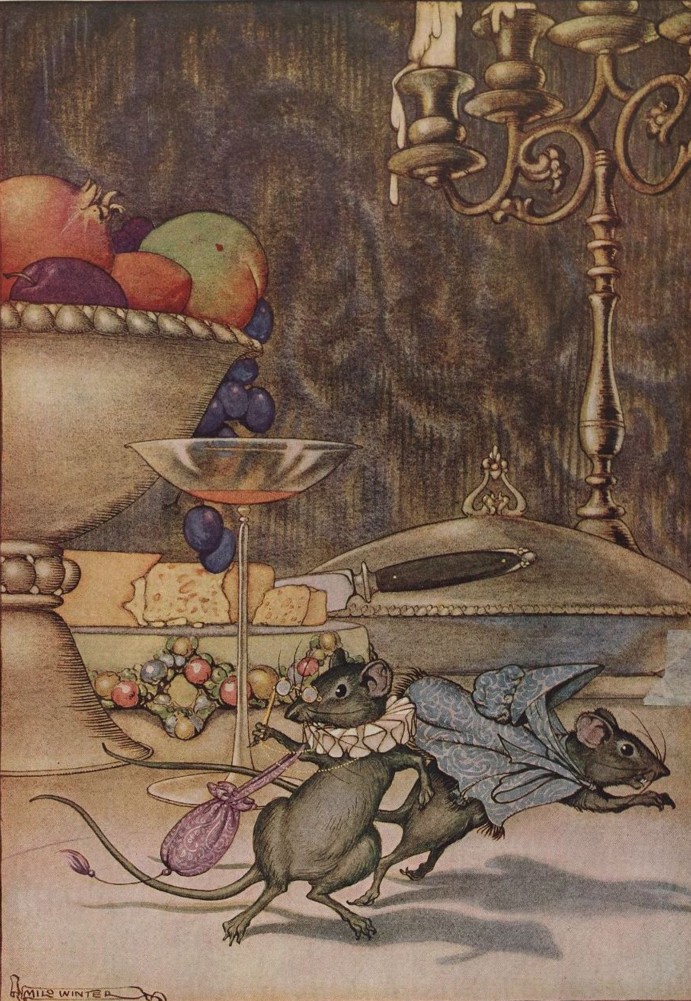 This illustration is from a collection of fables for children, published in the early twentieth century.
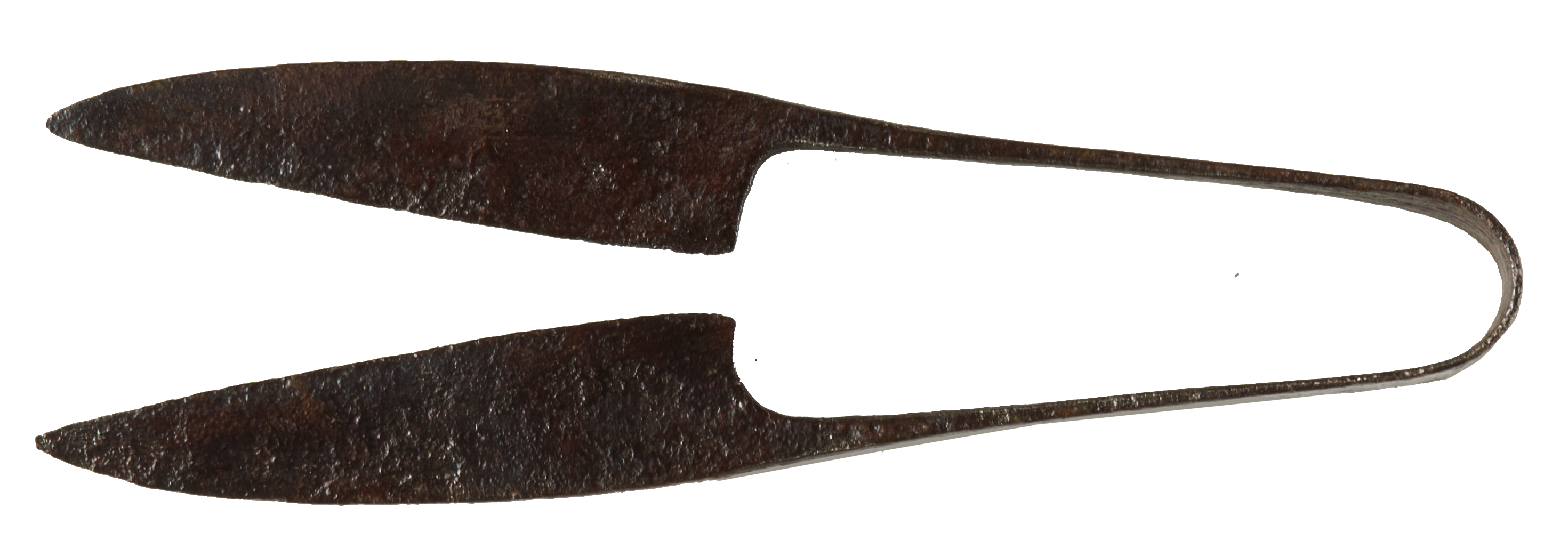 Iron shears found at the site of Londinium.
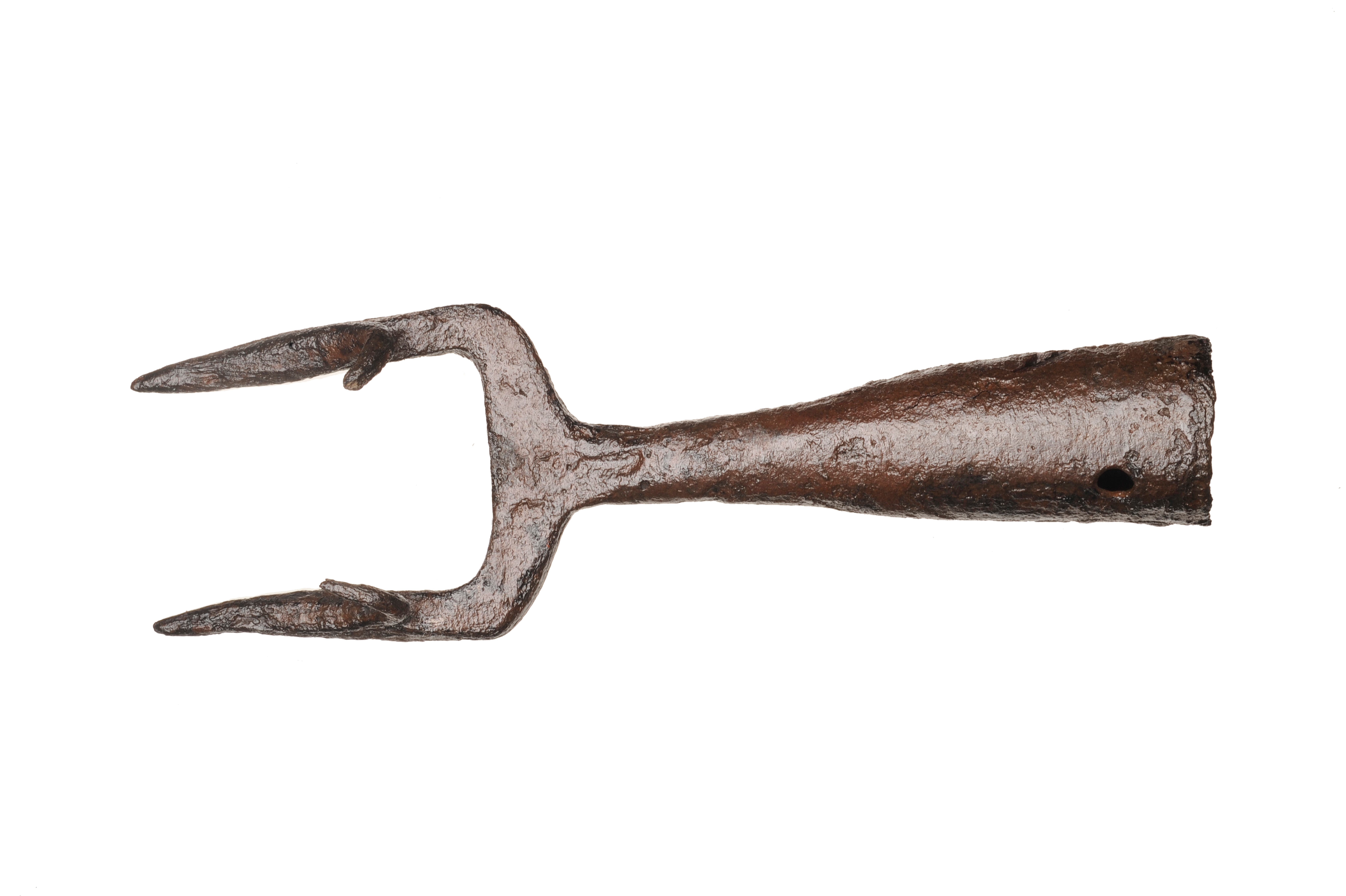 Baling fork found at the site of Londinium.
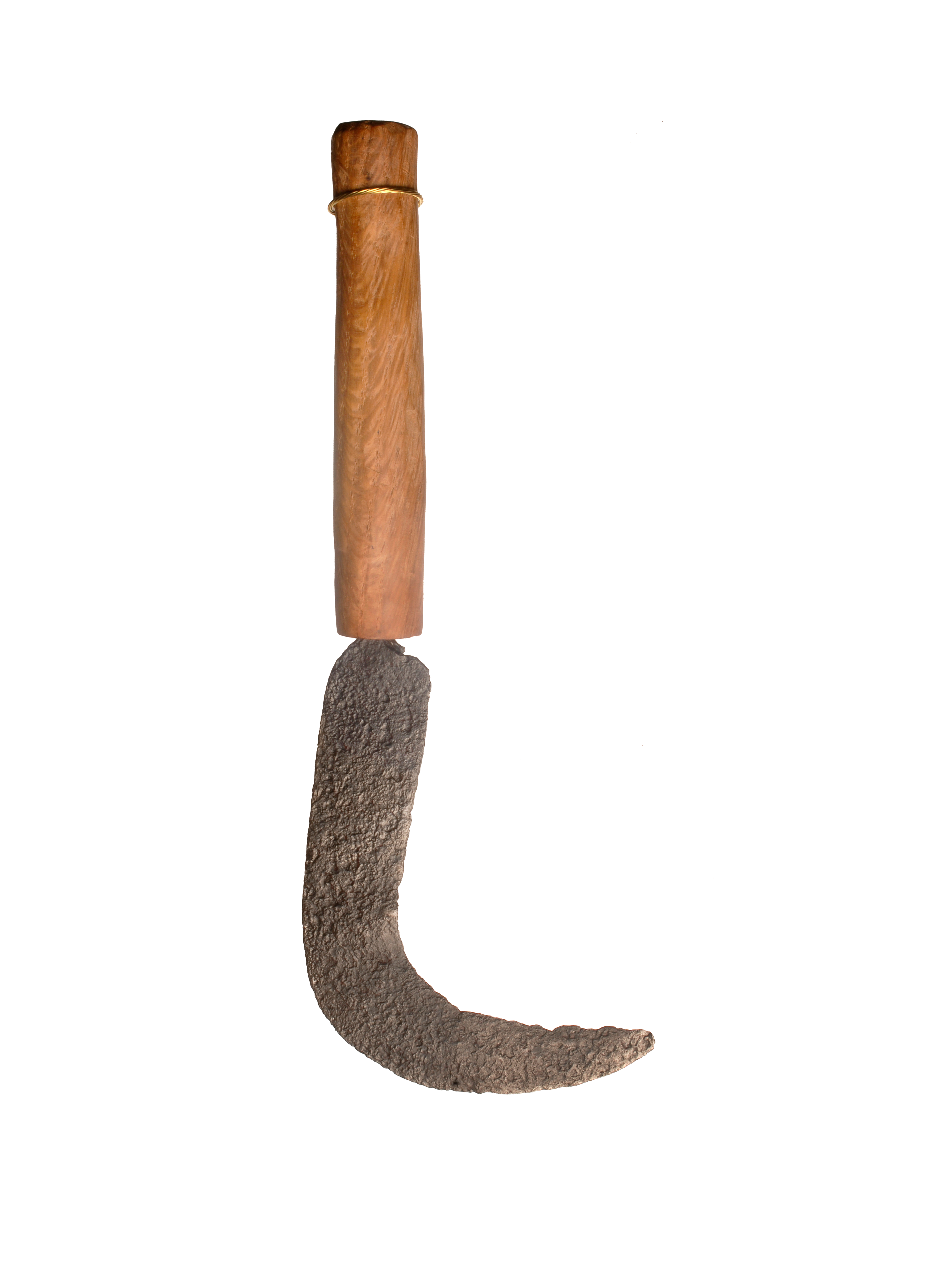 An iron sickle with a modern wooden handle, found at the site of Londinium.