
38. AVARITIA
WEBLINKS
IMAGE GALLERY
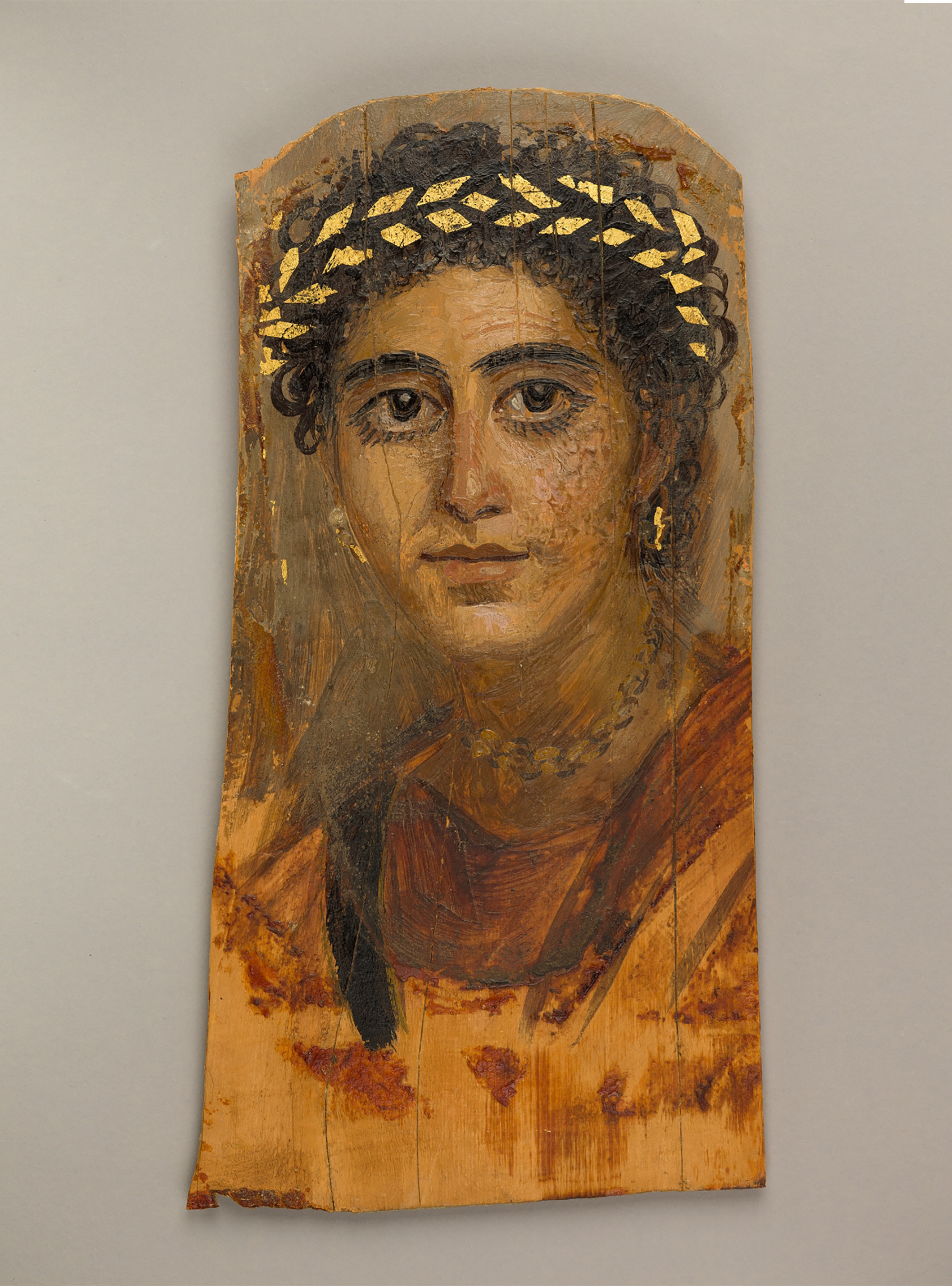
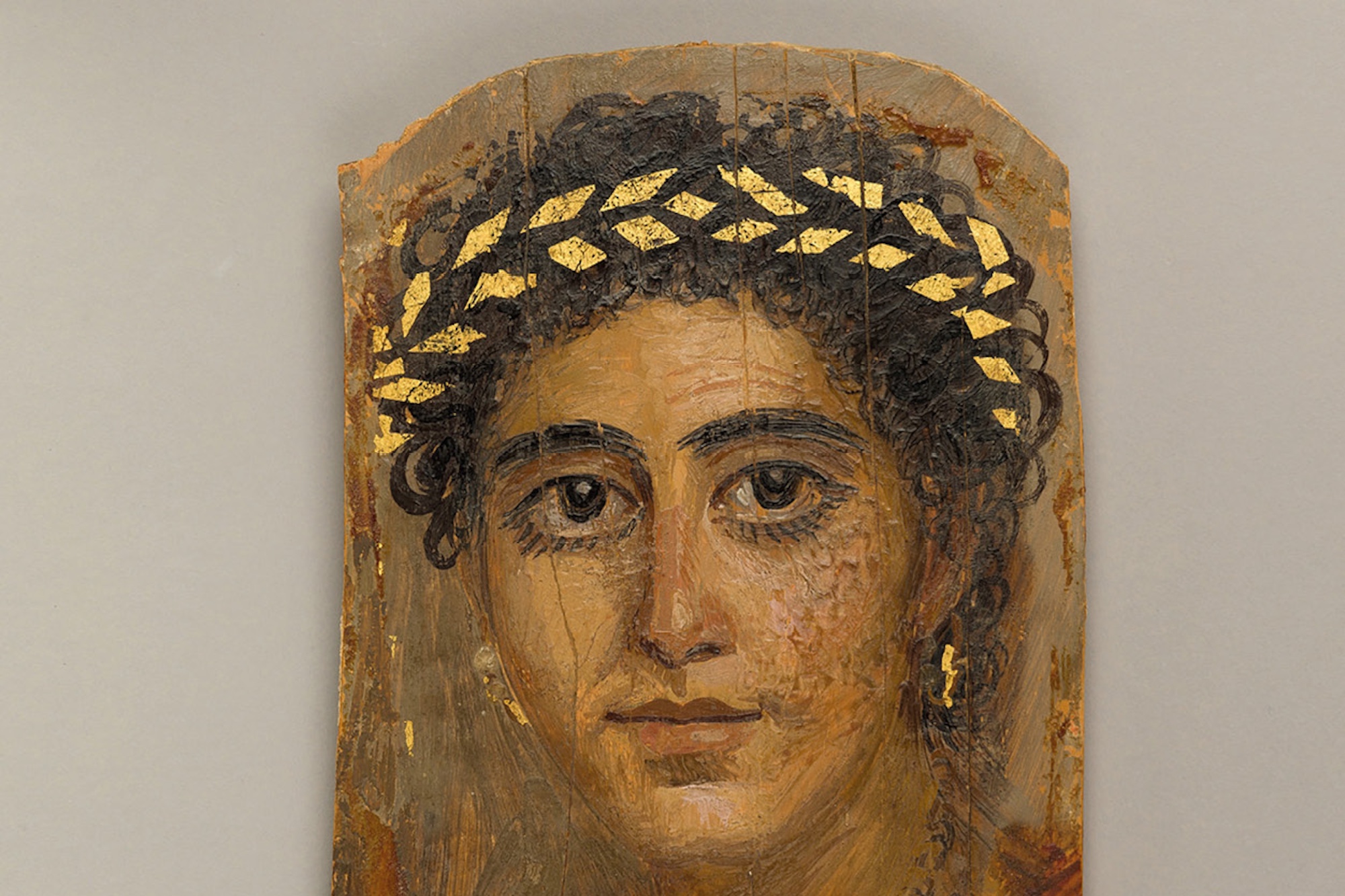
This painted portrait from Egypt shows a woman wearing pearl earrings. The garland in her hair is picked out in gold leaf.
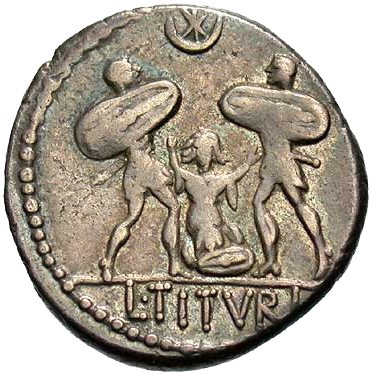
This coin, from 89 bc, shows Tarpeia about to be crushed by the shields of the soldiers, who stand on either side of her.
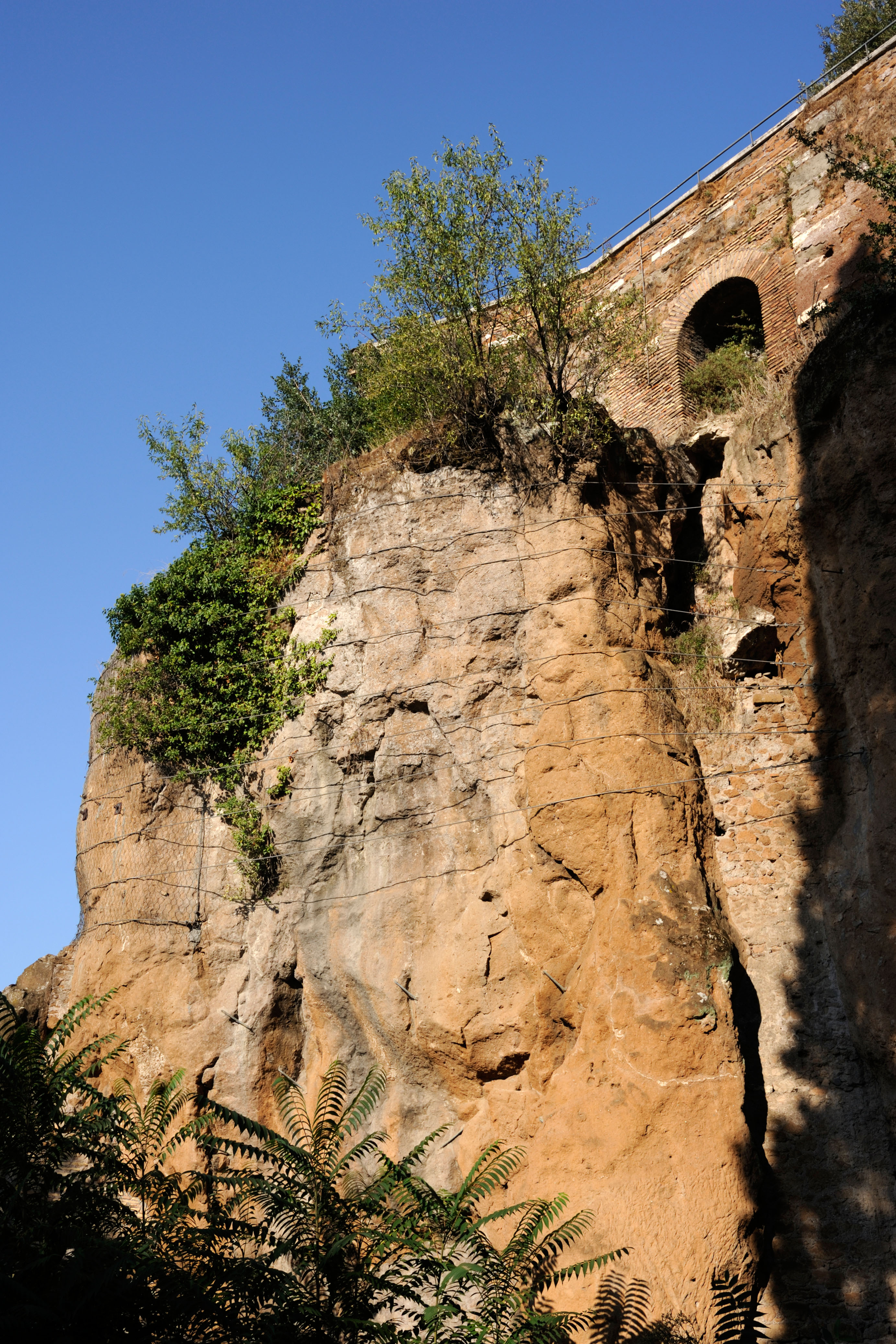
The Tarpeian Rock is a steep cliff on the south side of the Capitoline Hill, in Rome. Criminals could be put to death by being hurled from its top.
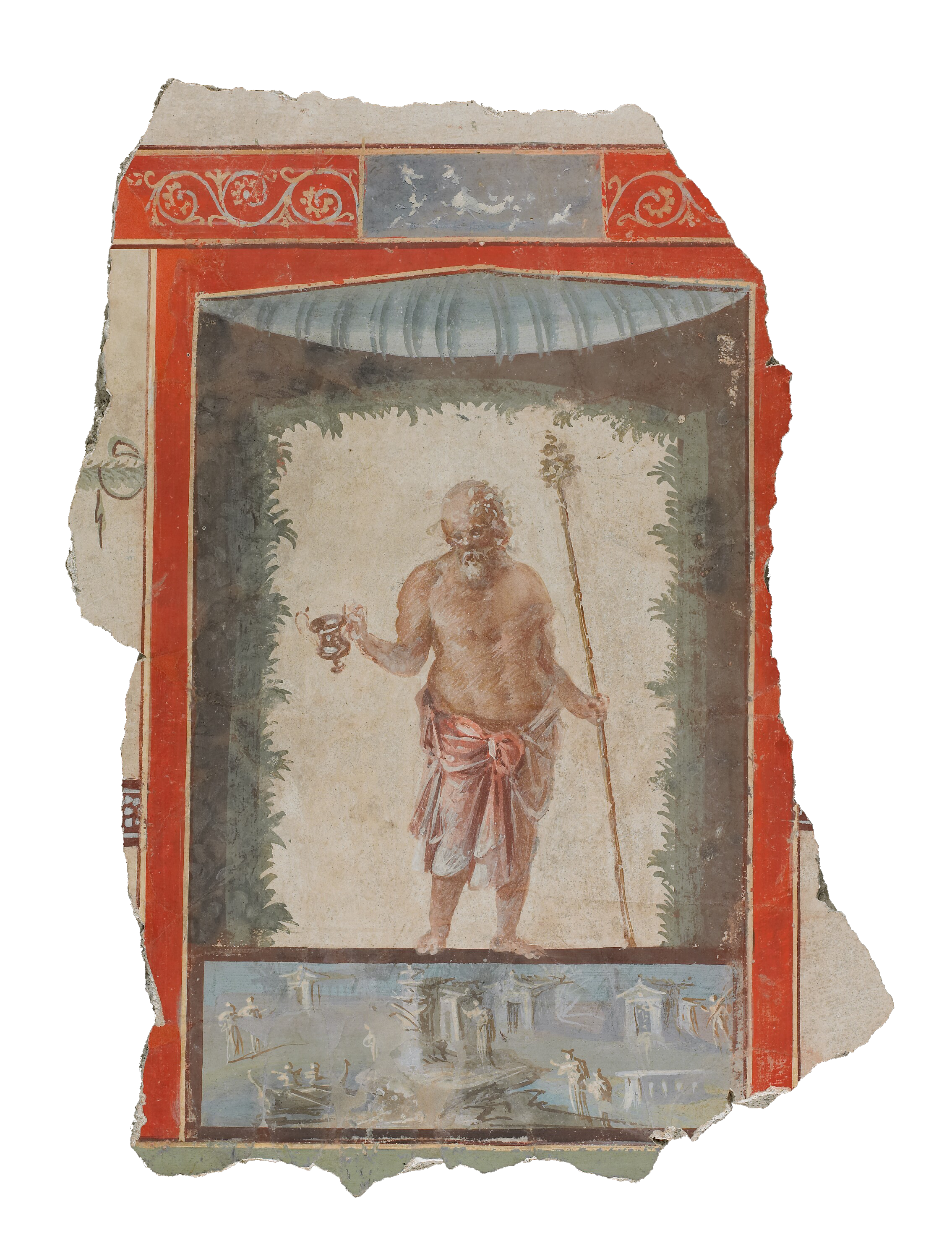 This fragment of a fresco from the first century ad shows Silenus holding a drinking cup.
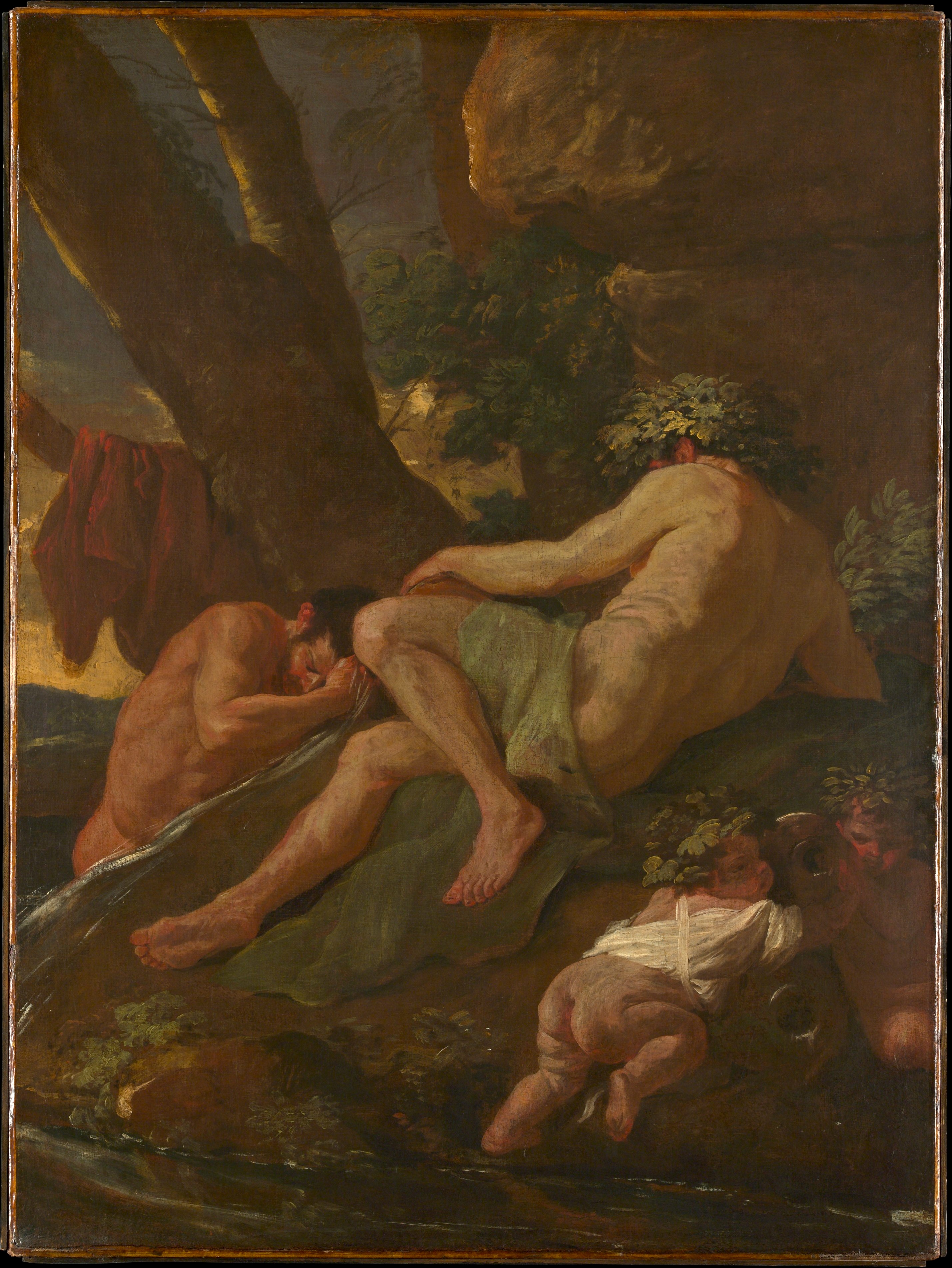 This painting shows King Midas washing in the Pactolus River as he had been instructed by Bacchus, in order to reverse the gift, which had become a curse. The infants at the front, wearing garlands of vines, often accompany Bacchus in art. It was painted by Nicolas Poussin in 1627.
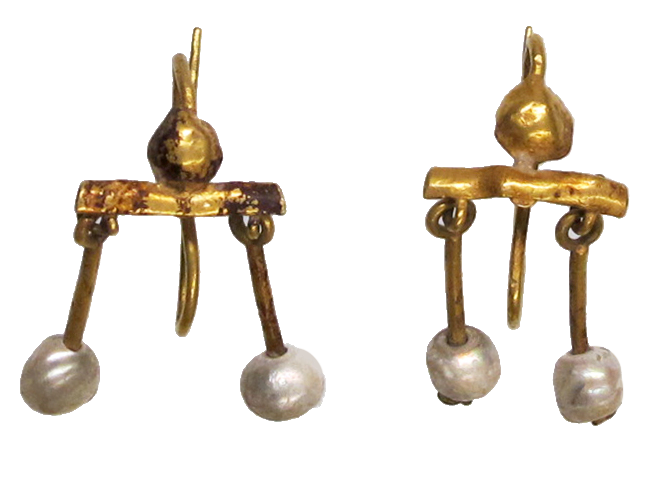 Earrings made of multiple dangling pearls that made a rattling sound were called crotalia.
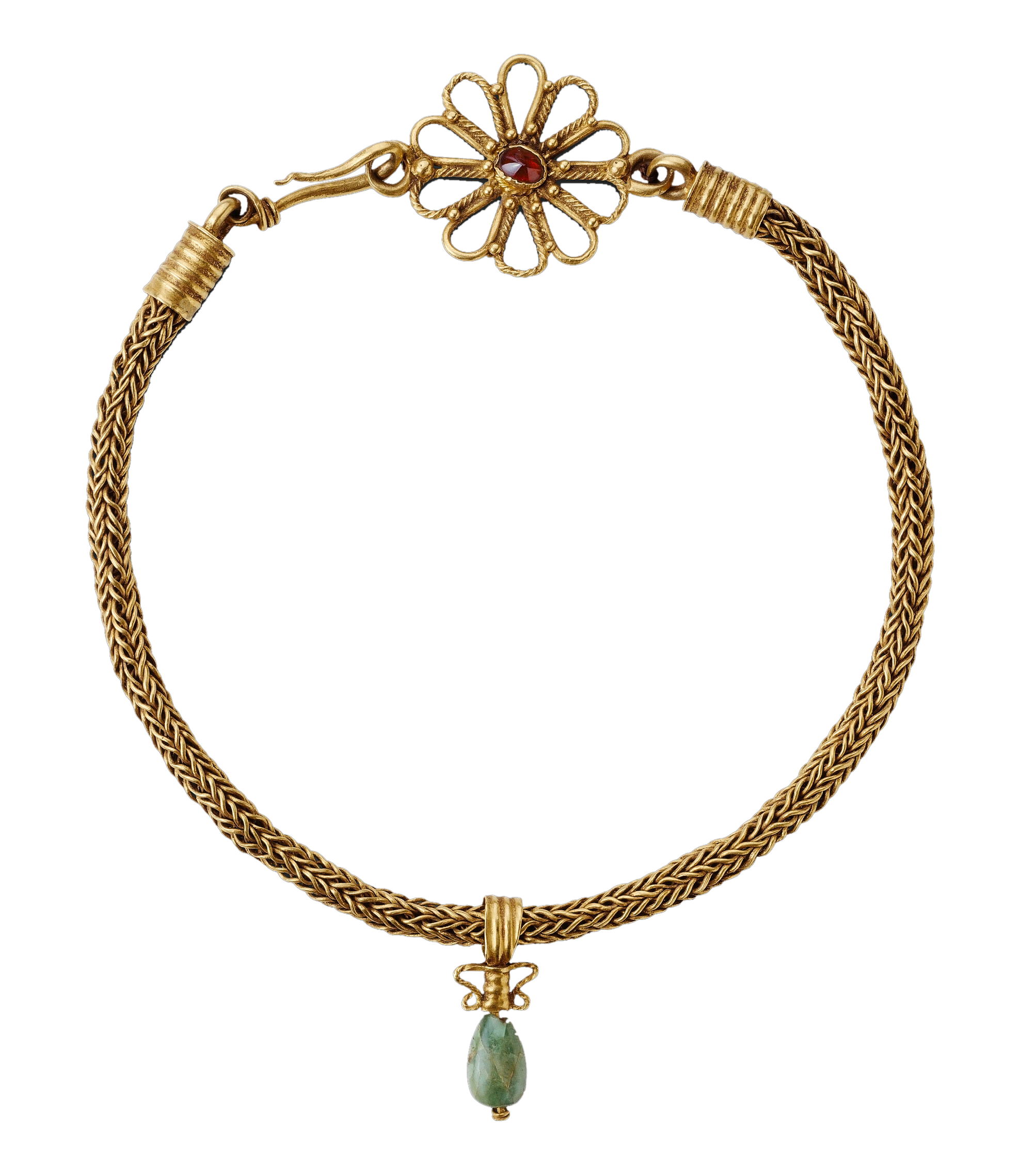 Roman imperial expansion increased access to new materials and led to a new style of jewelry, incorporating brightly colored gemstones. This gold necklace, from the second or third century ad, has an emerald pendant. Emeralds were one of the most popular gemstones. The only emerald mine that is known to have been exploited by the Romans is the Sikait mine in Egypt. Emeralds were also sourced from outside the Empire, for example from India.
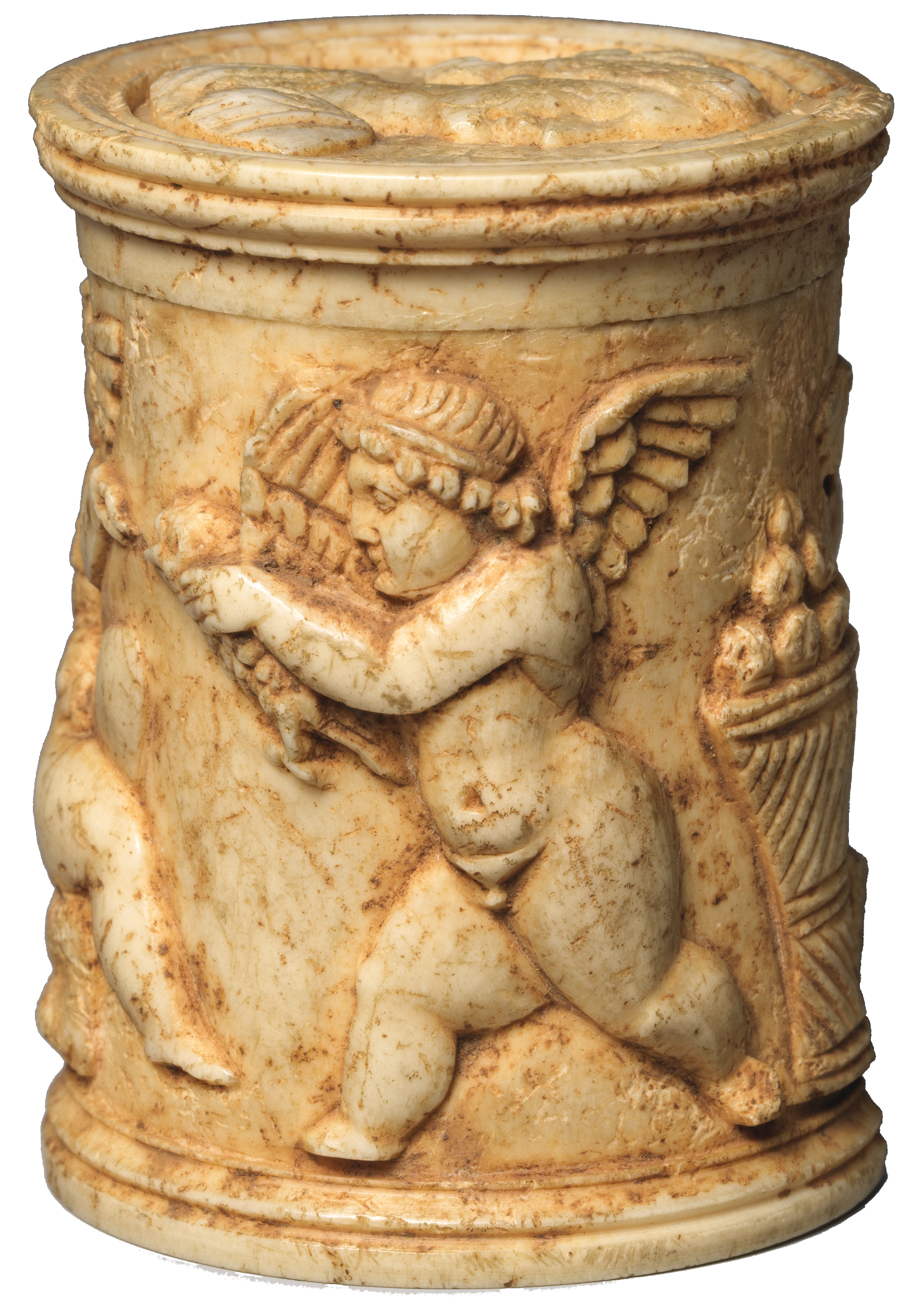 A small, carved ivory box (pyxis). Ivory was a rare and expensive material which was imported from Africa and India.
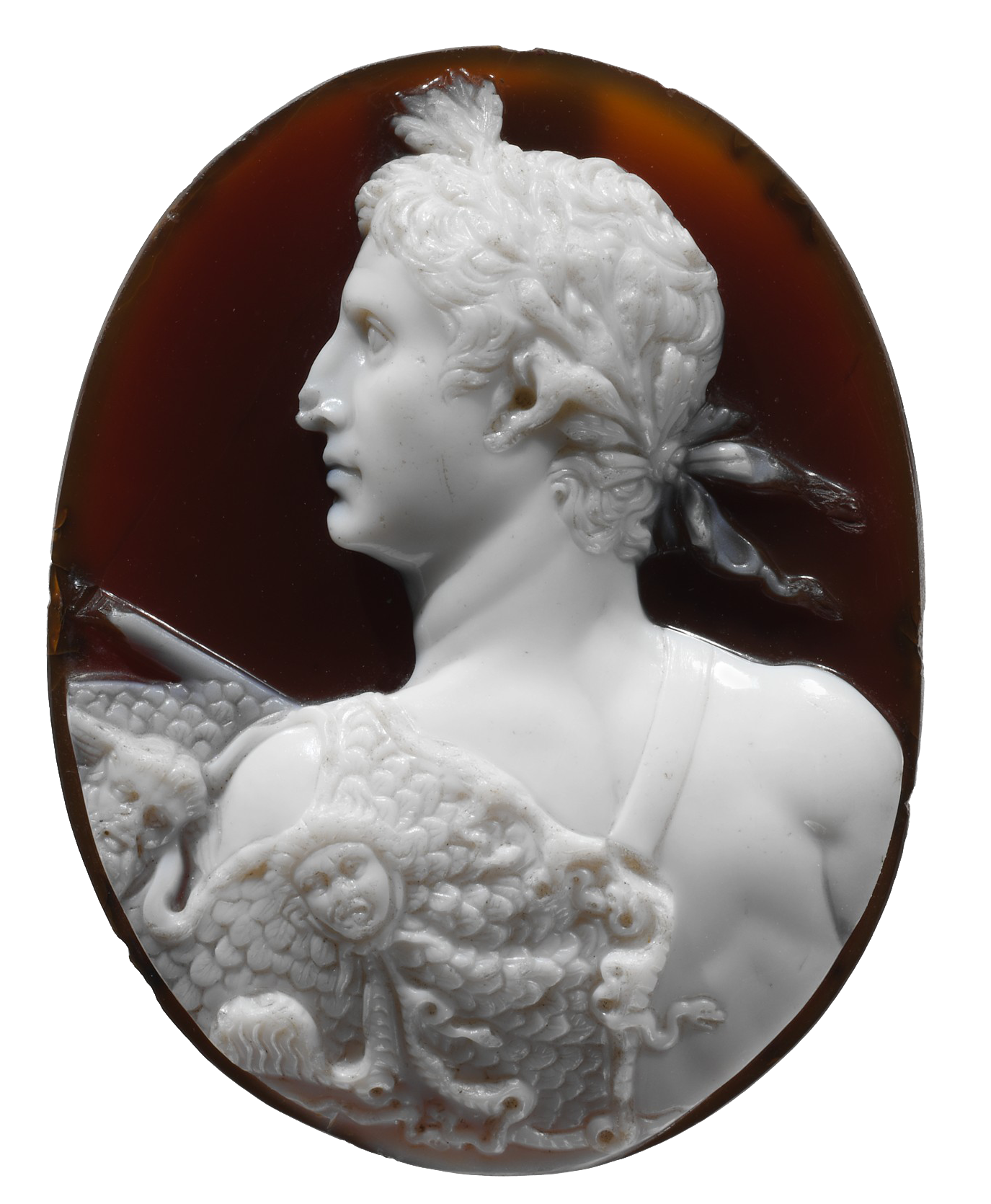 A cameo of Emperor Augustus made of sardonyx.
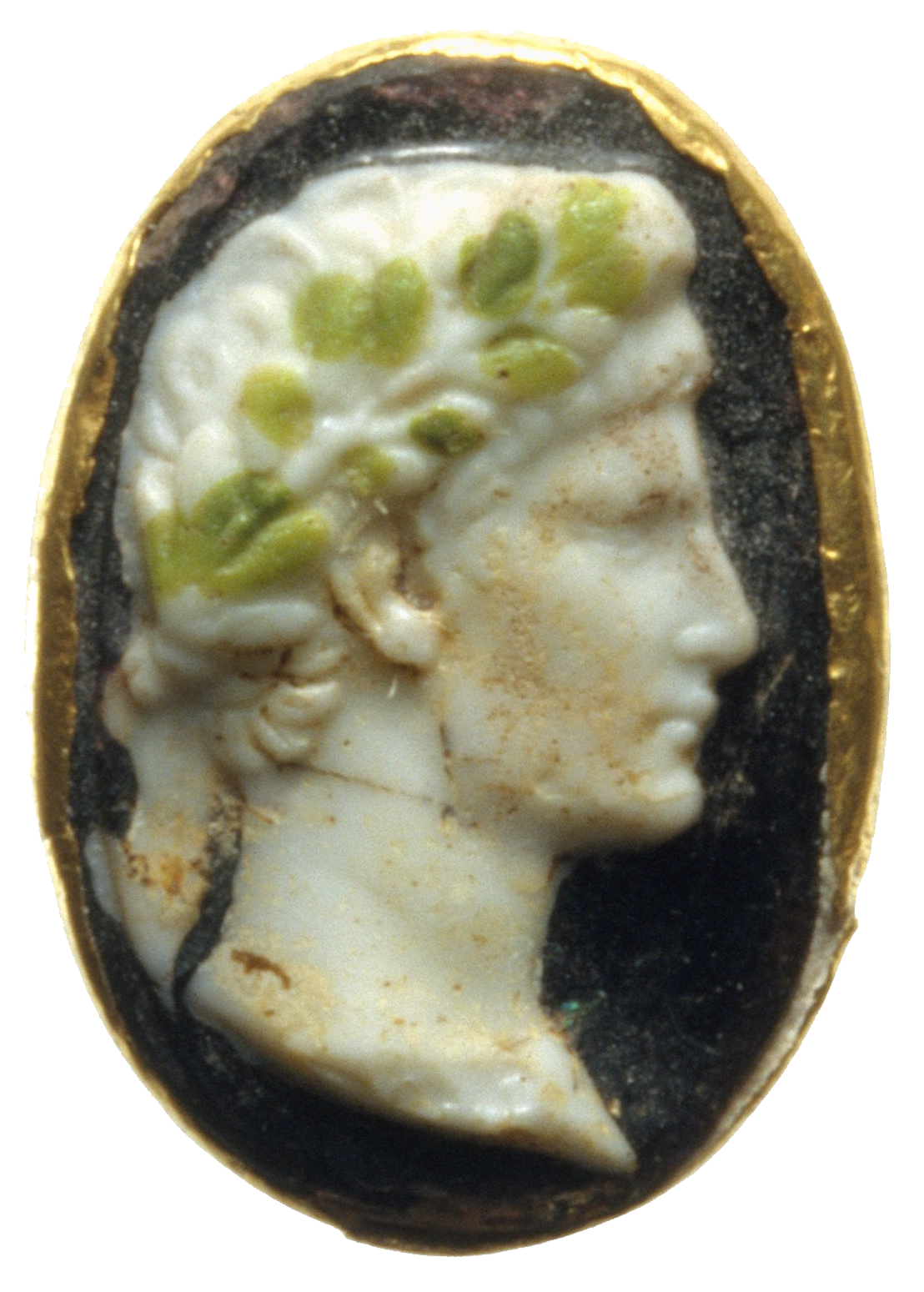 A cameo of Emperor Augustus made of glass.
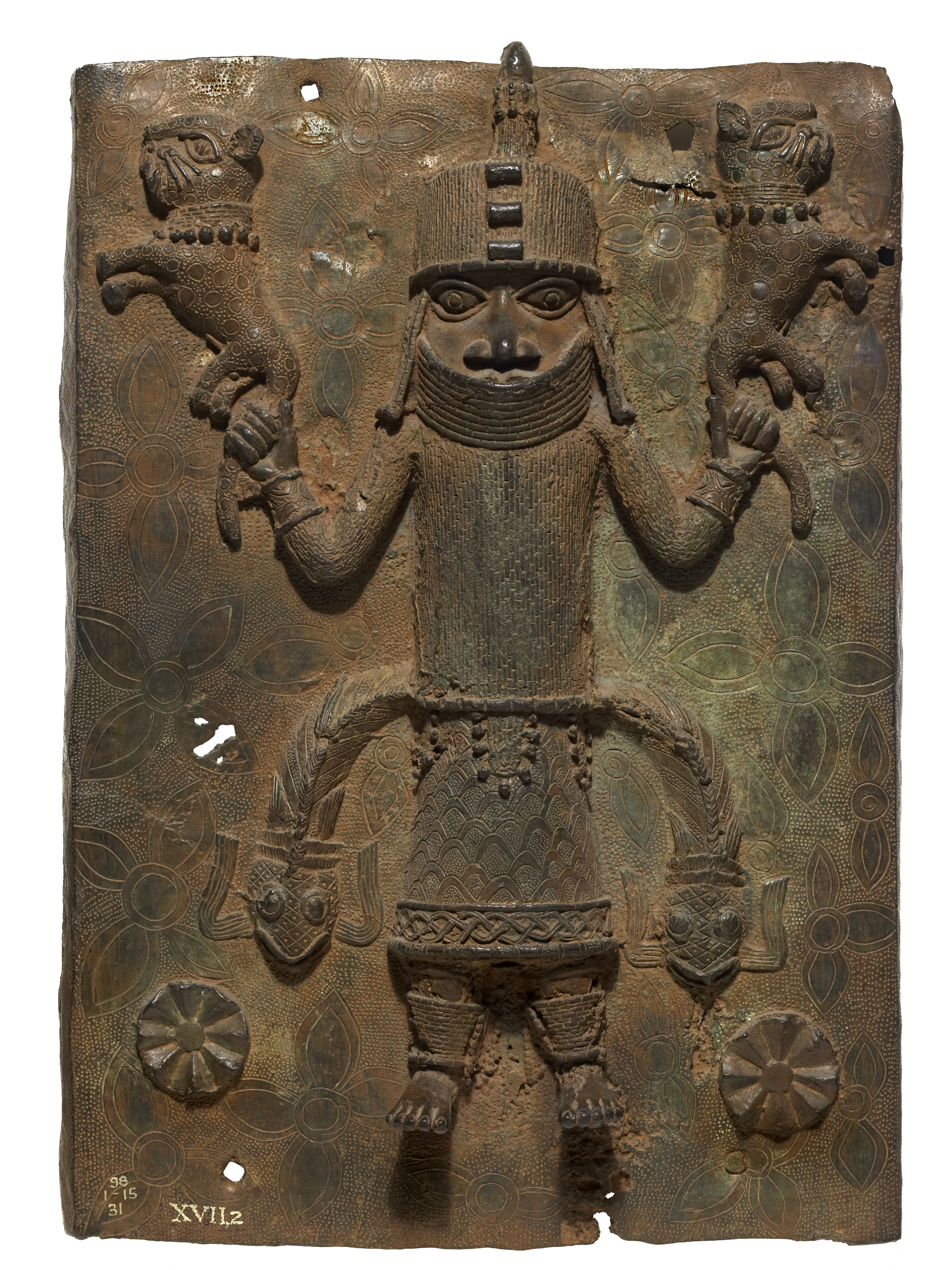 This brass plaque from Benin is in the collection of the British Museum.
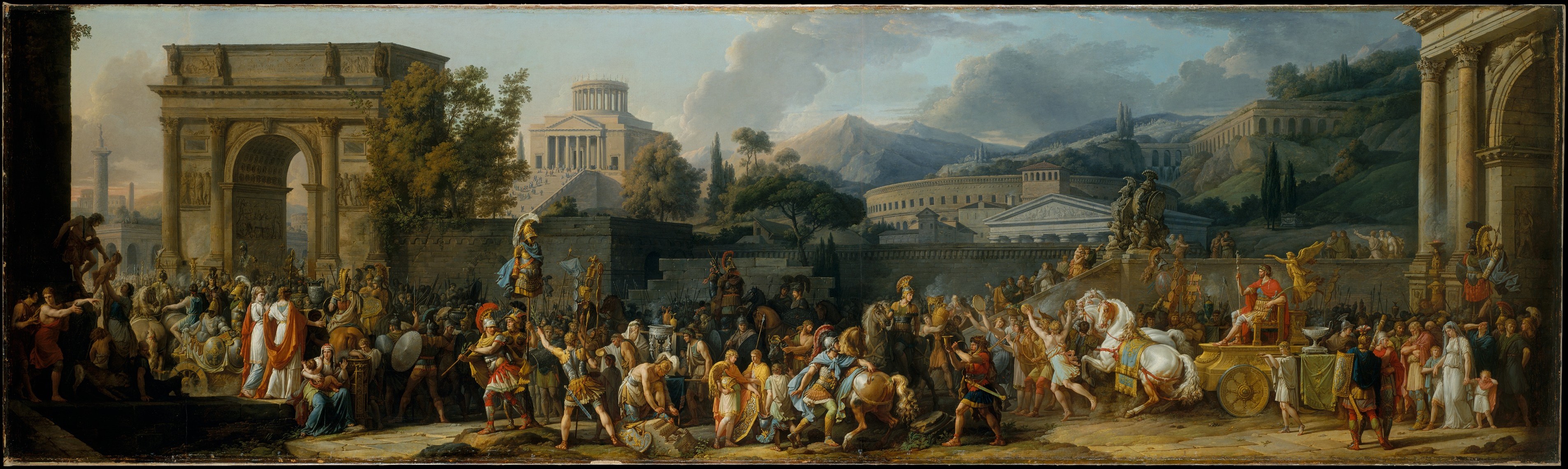 This painting depicts the imagined triumph of the general Aemilius Paullus who defeated King Perses of Macedon in 168 bc. It was painted in 1787 by Carle Vernet.
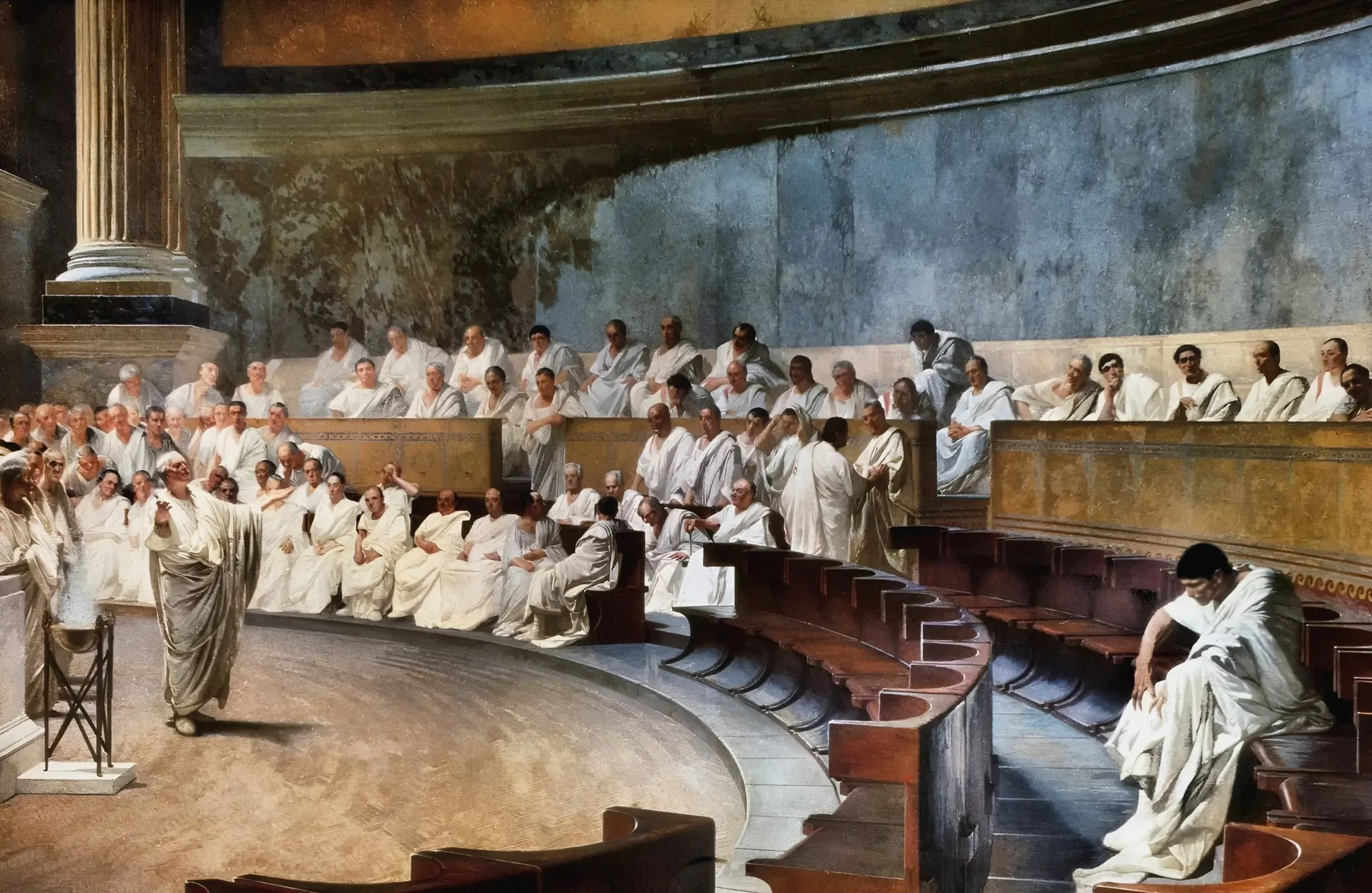 This fresco, by Cesare Maccari (1849–1919), is on the wall of the Palazzo Madama, the seat of the Senate of the Italian Republic, in Rome. It shows Cicero delivering a speech in the Senate. He is denouncing Catiline, who can be seen seated at the front on the right. The setting here is theatrical; in reality the Senate House was not curved, and senators would have sat in parallel rows.
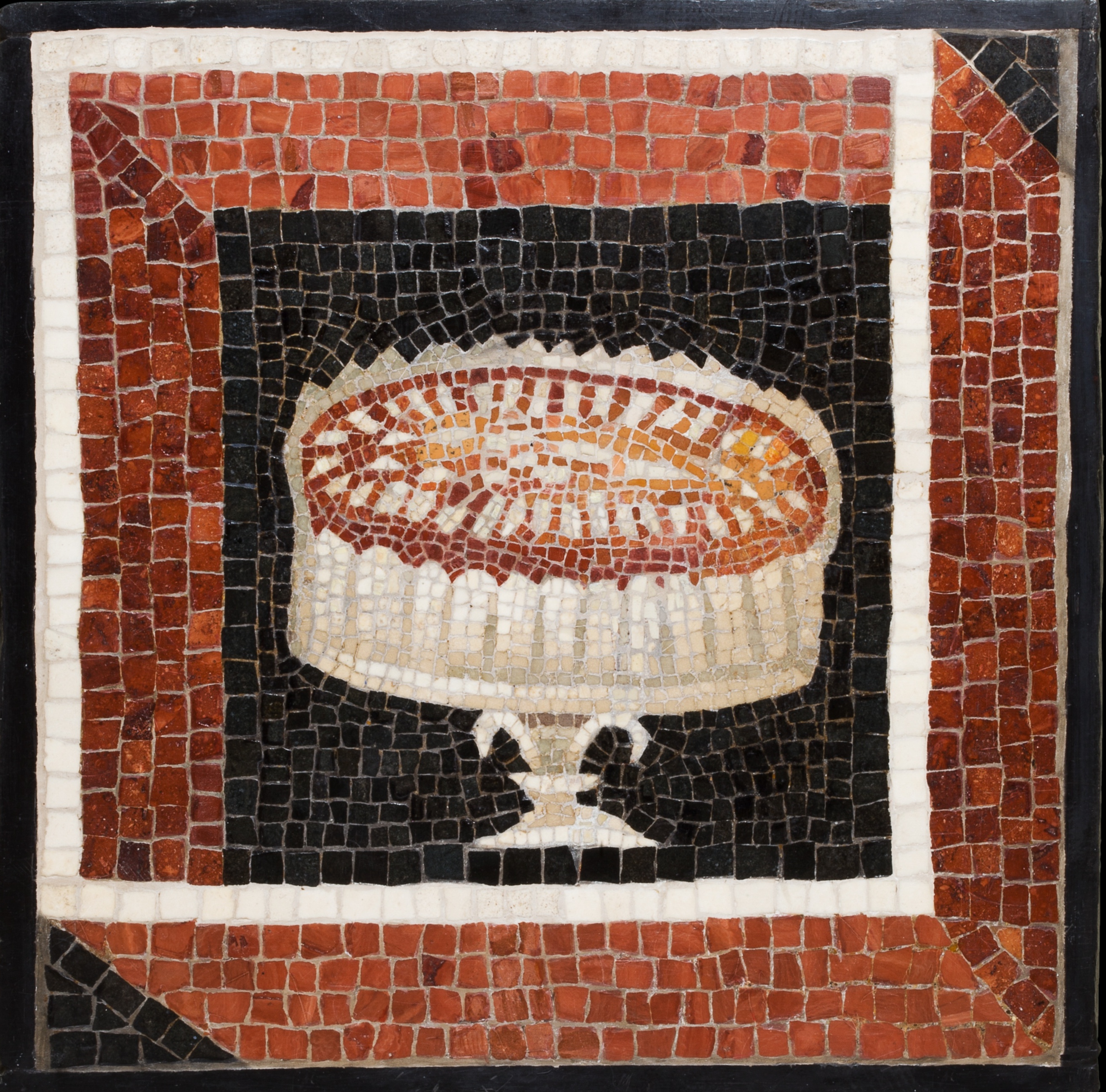 A fragment of a mosaic floor from a villa near Rome showing an almond cake. Depicting food in wall paintings and mosaics was a way to display the owner’s wealth and hospitality.
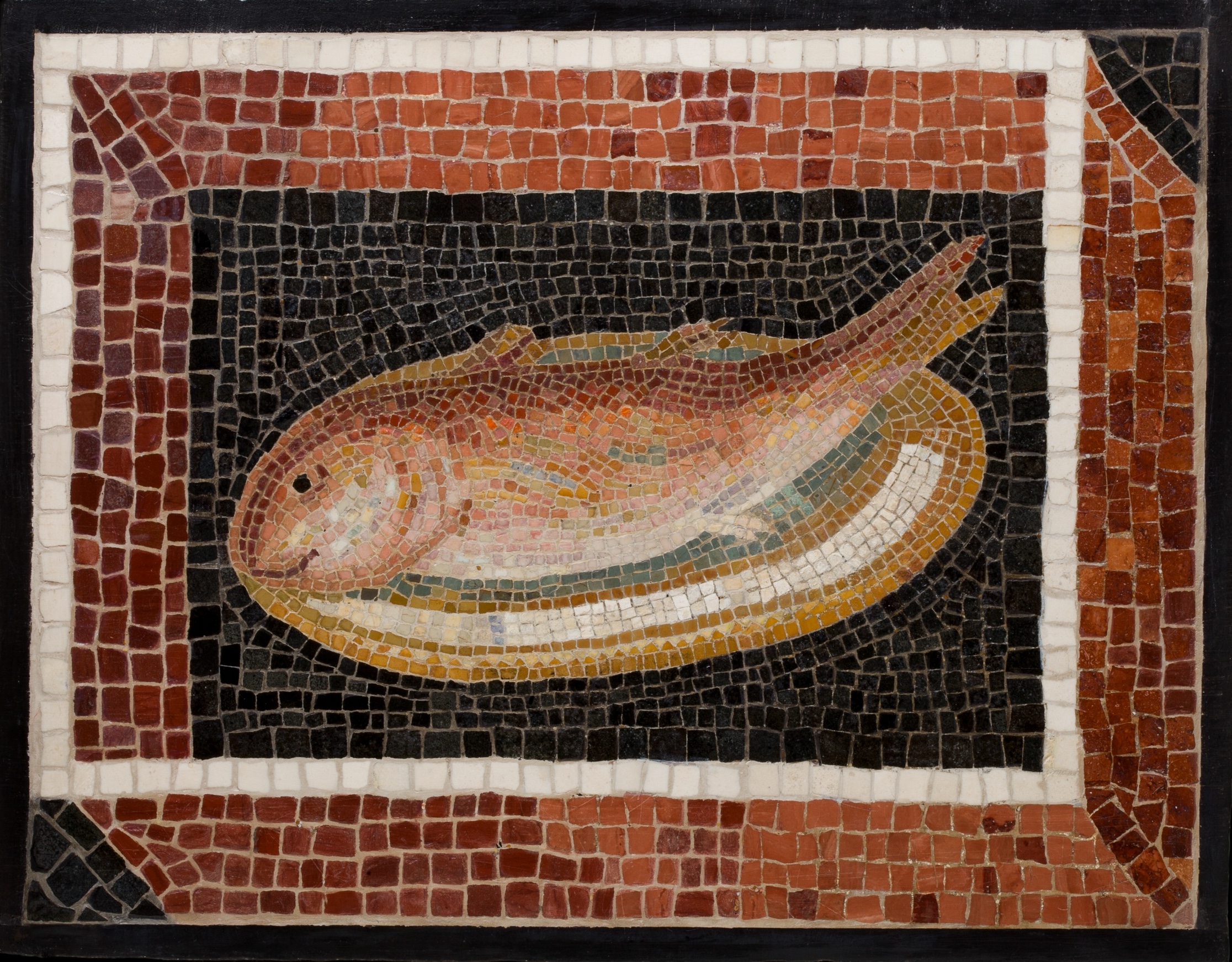 A fragment of a mosaic floor from a villa near Rome showing a fish on a platter. Depicting food in wall paintings and mosaics was a way to display the owner’s wealth and hospitality.
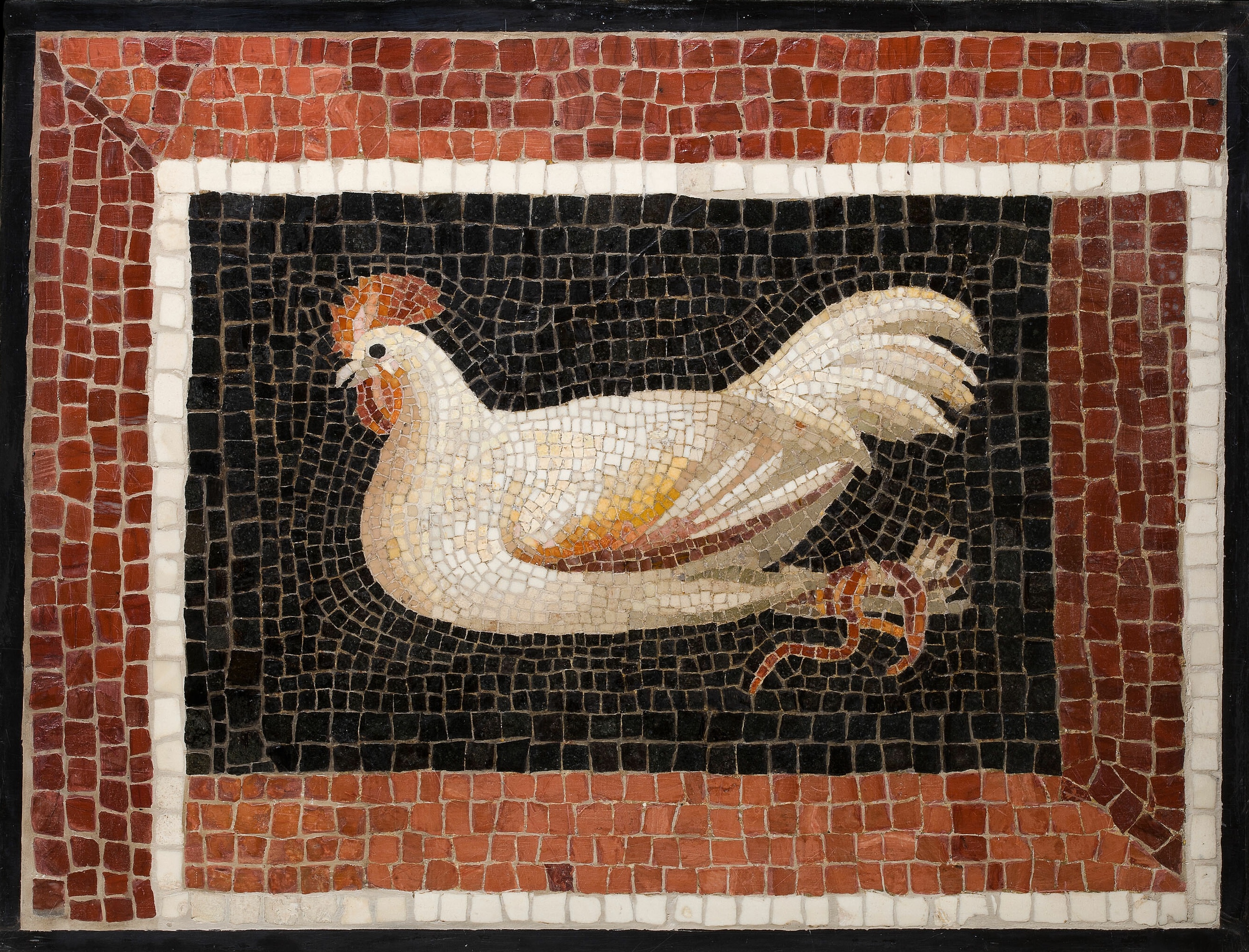 A fragment of a mosaic floor from a villa near Rome showing a rooster. Depicting food in wall paintings and mosaics was a way to display the owner’s wealth and hospitality.
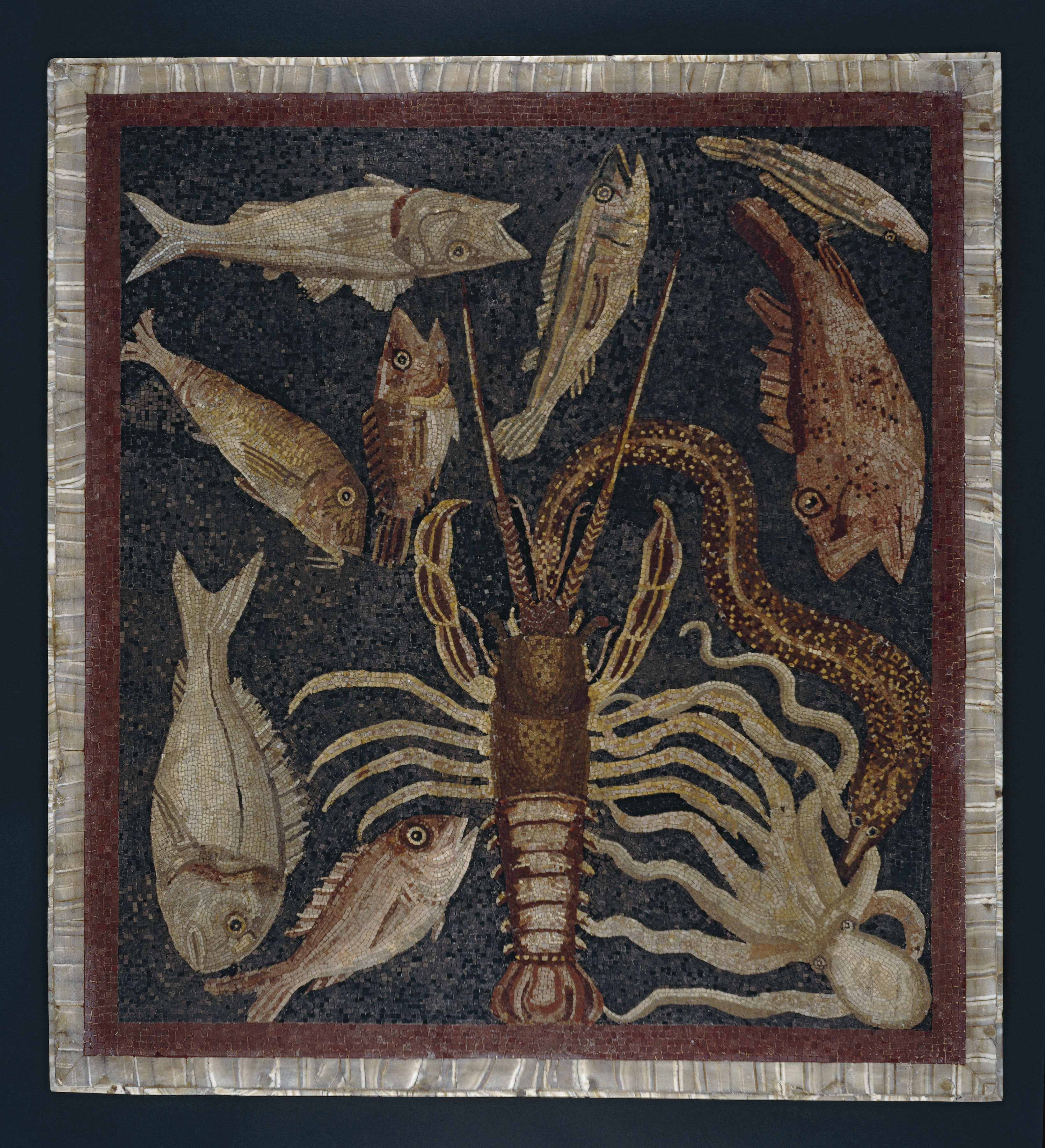 A panel of a mosaic floor from a villa on the west coast of Italy showing various edible sea creatures including an octopus, a lobster, a red mullet, and an eel. Mosaics like this were popular decorations for dining rooms and attest to the huge range of foods that was available to wealthier Romans.
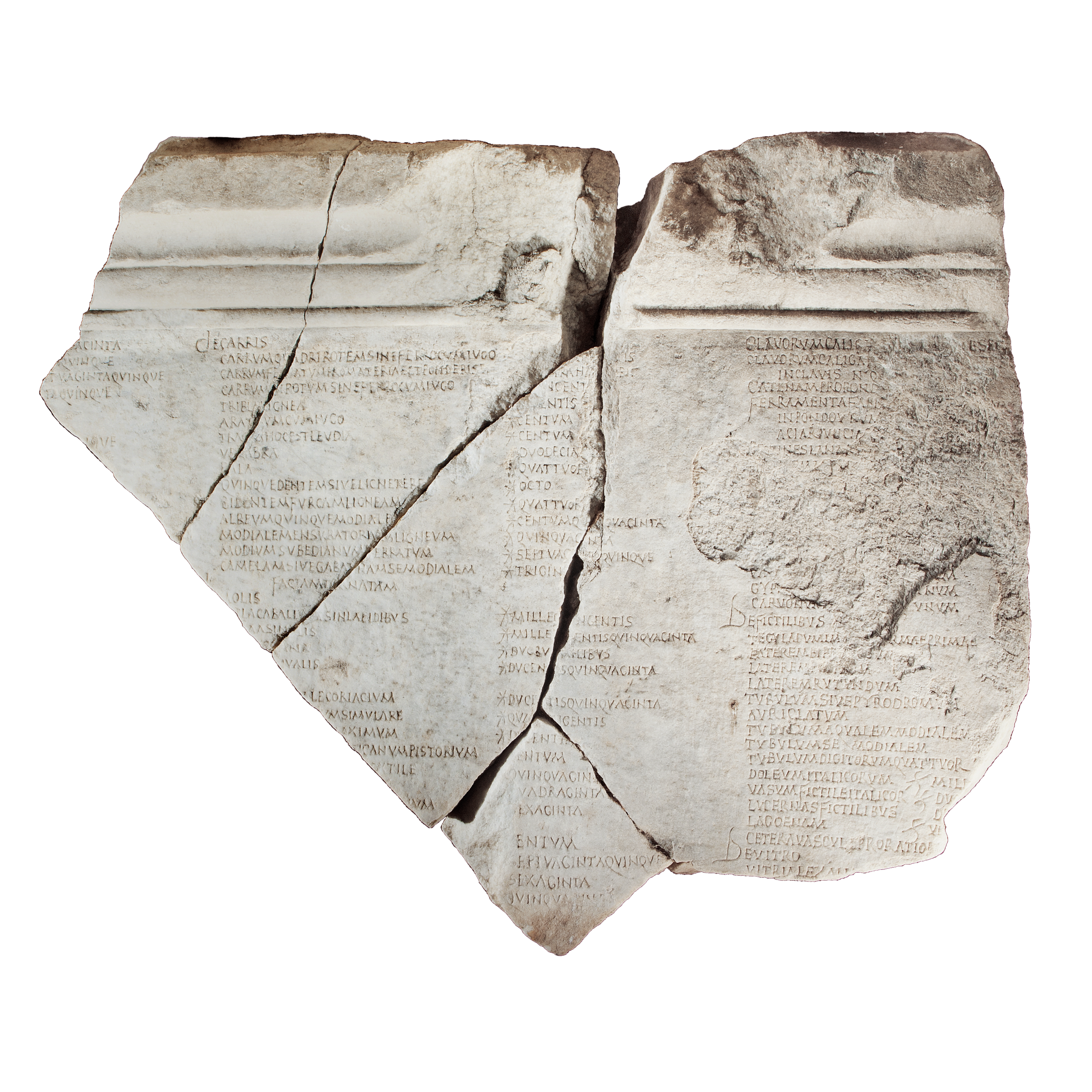 A panel of the edict from Aphrodisias showing lists of objects, measurements, and prices.
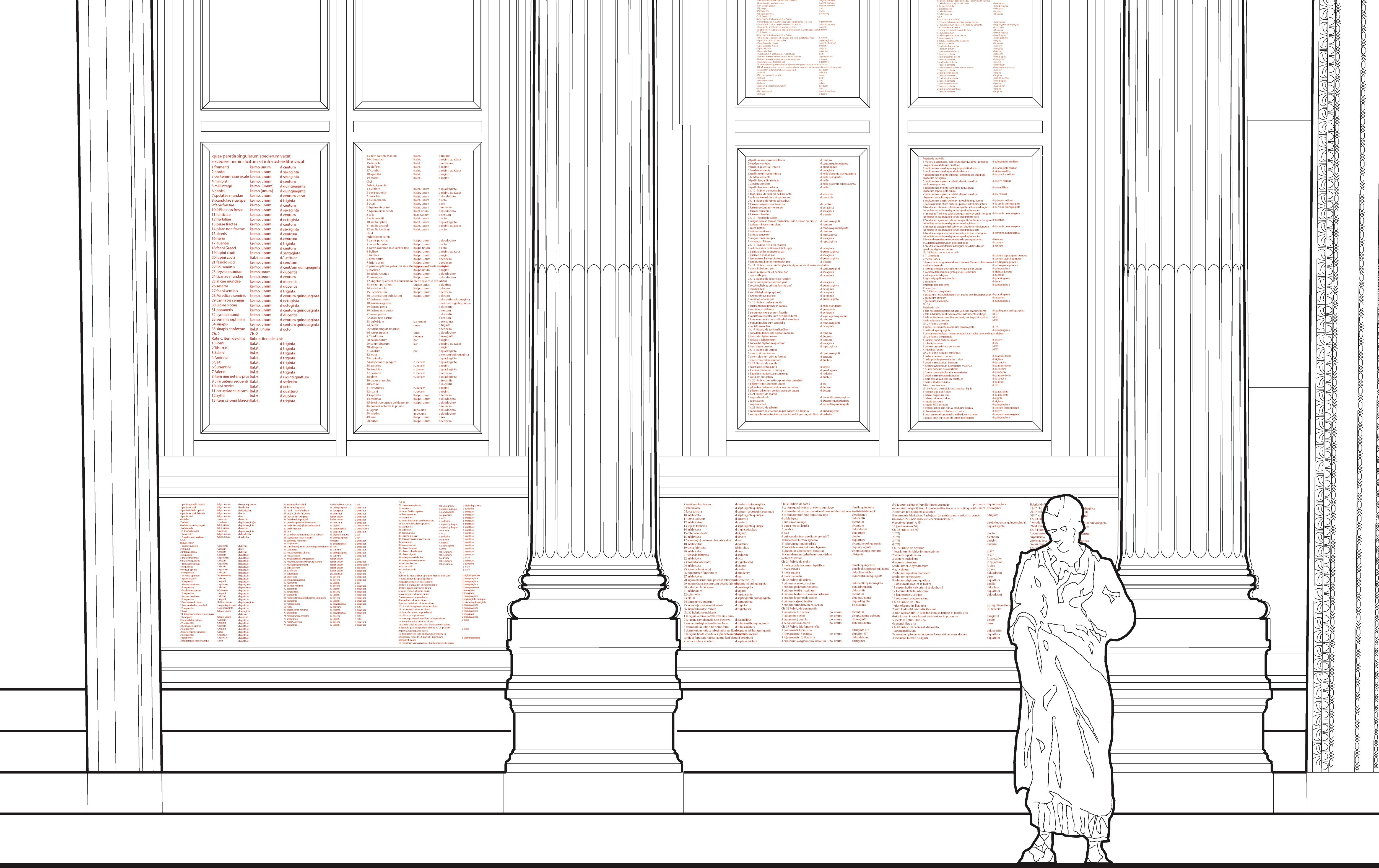 A reconstruction of how the edict would have been displayed.
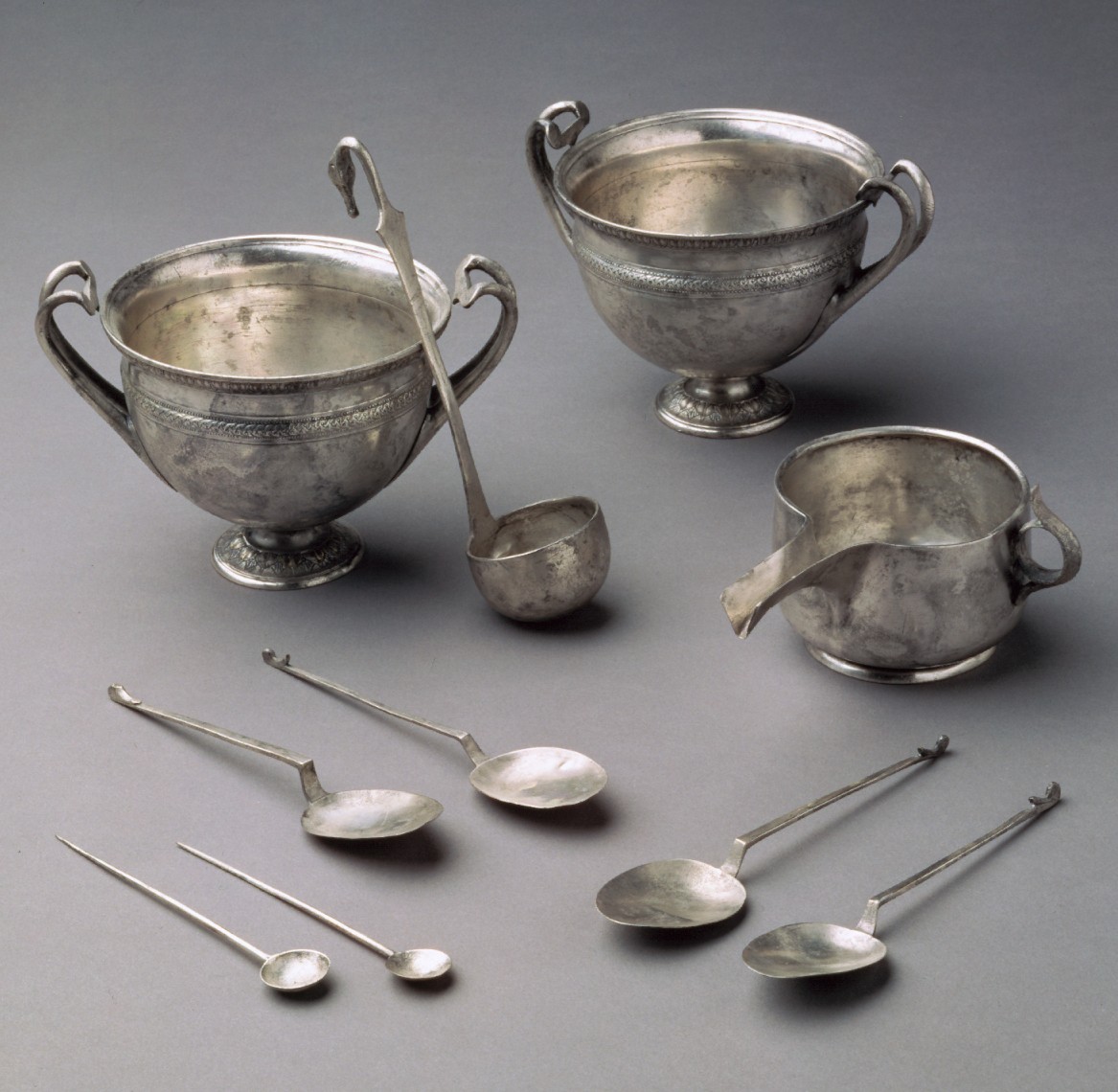 Part of a set of silver tableware found at Tivoli near Rome, from the mid-first century bc.
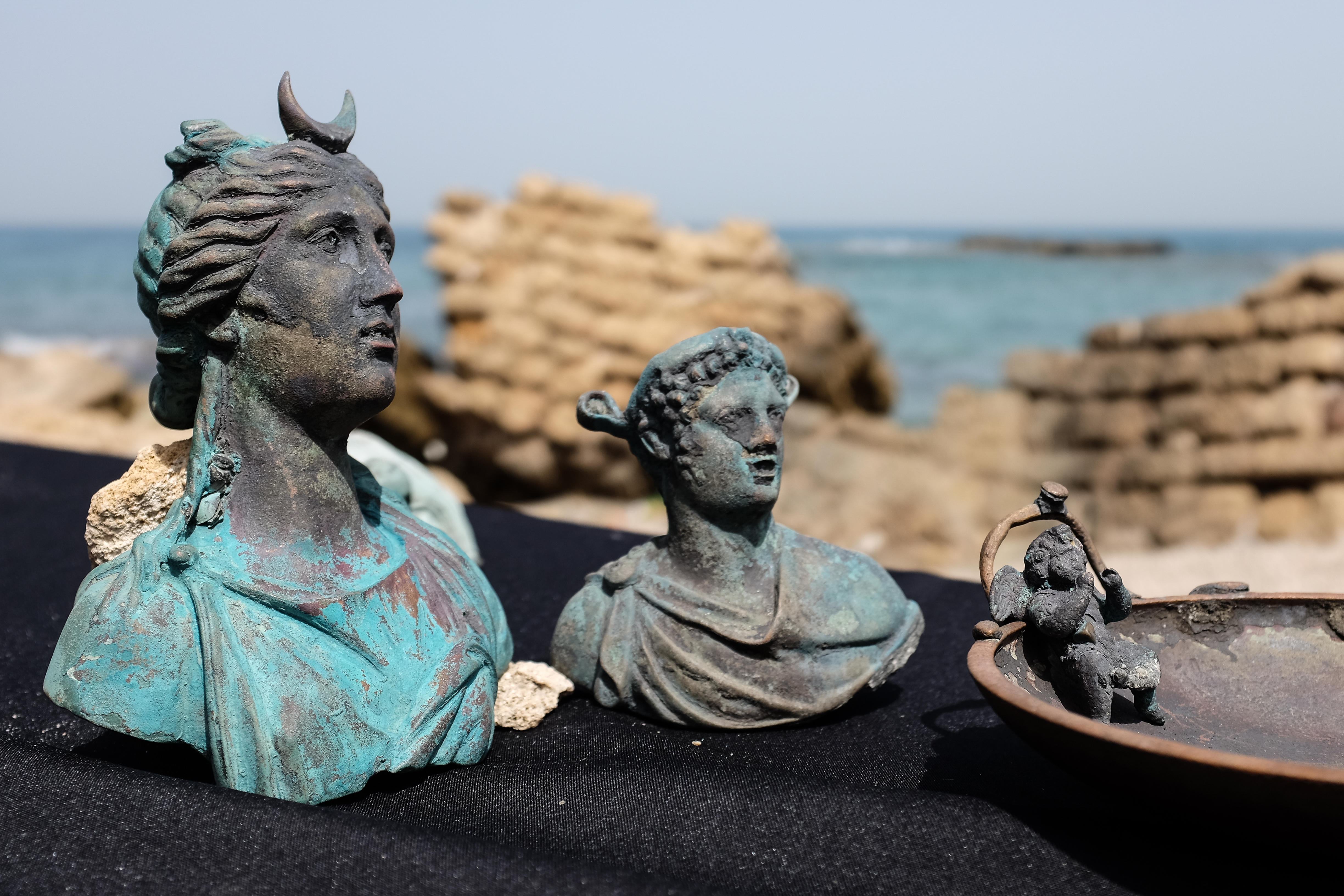 In 2016, divers found Roman artefacts on the sea floor in the ancient port of Caesarea Maritima (in modern Israel). Scholars think that they were part of the cargo of a Roman merchant ship that had sunk after being caught in a storm.