
WEBLINKS
IMAGE GALLERY
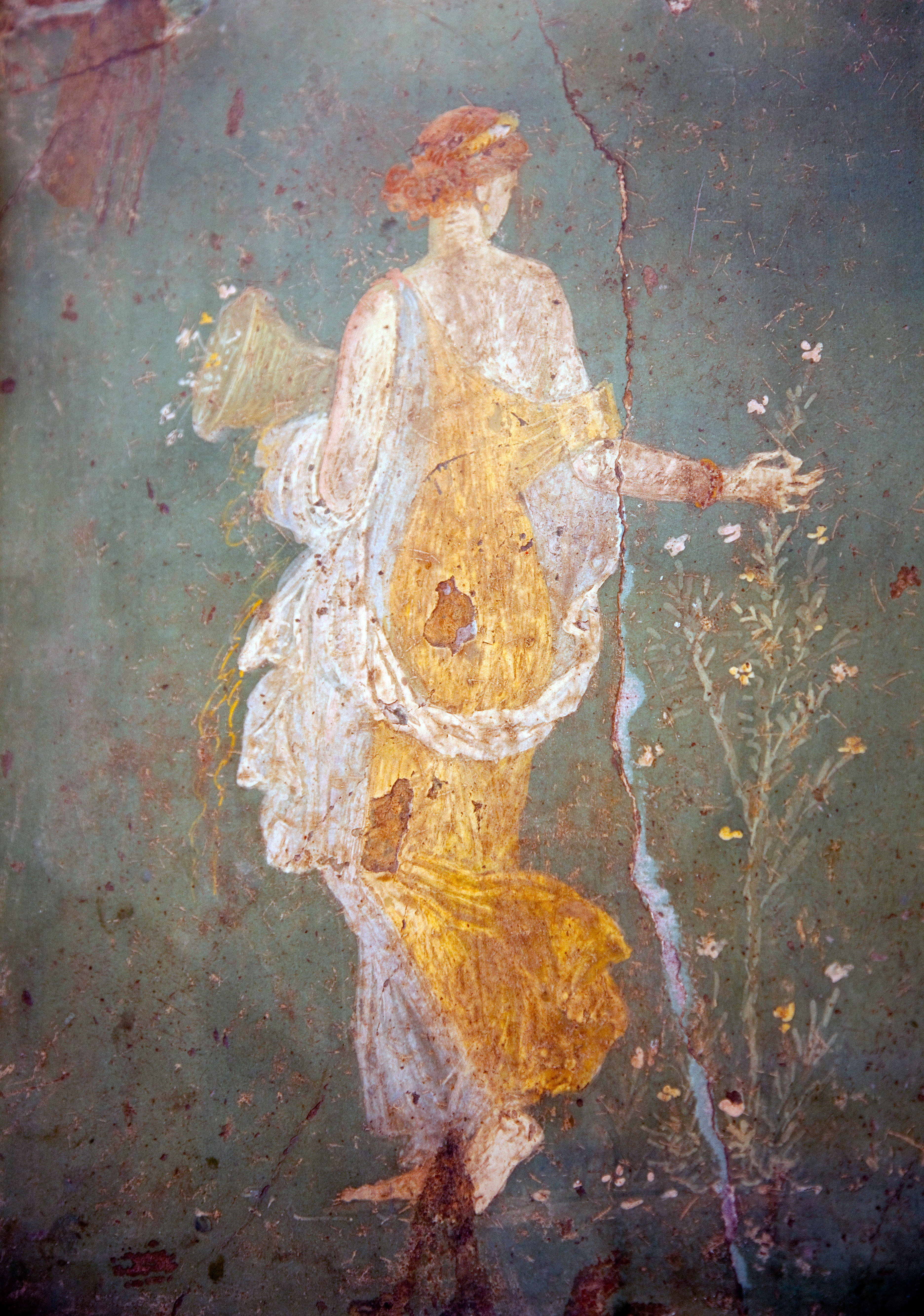
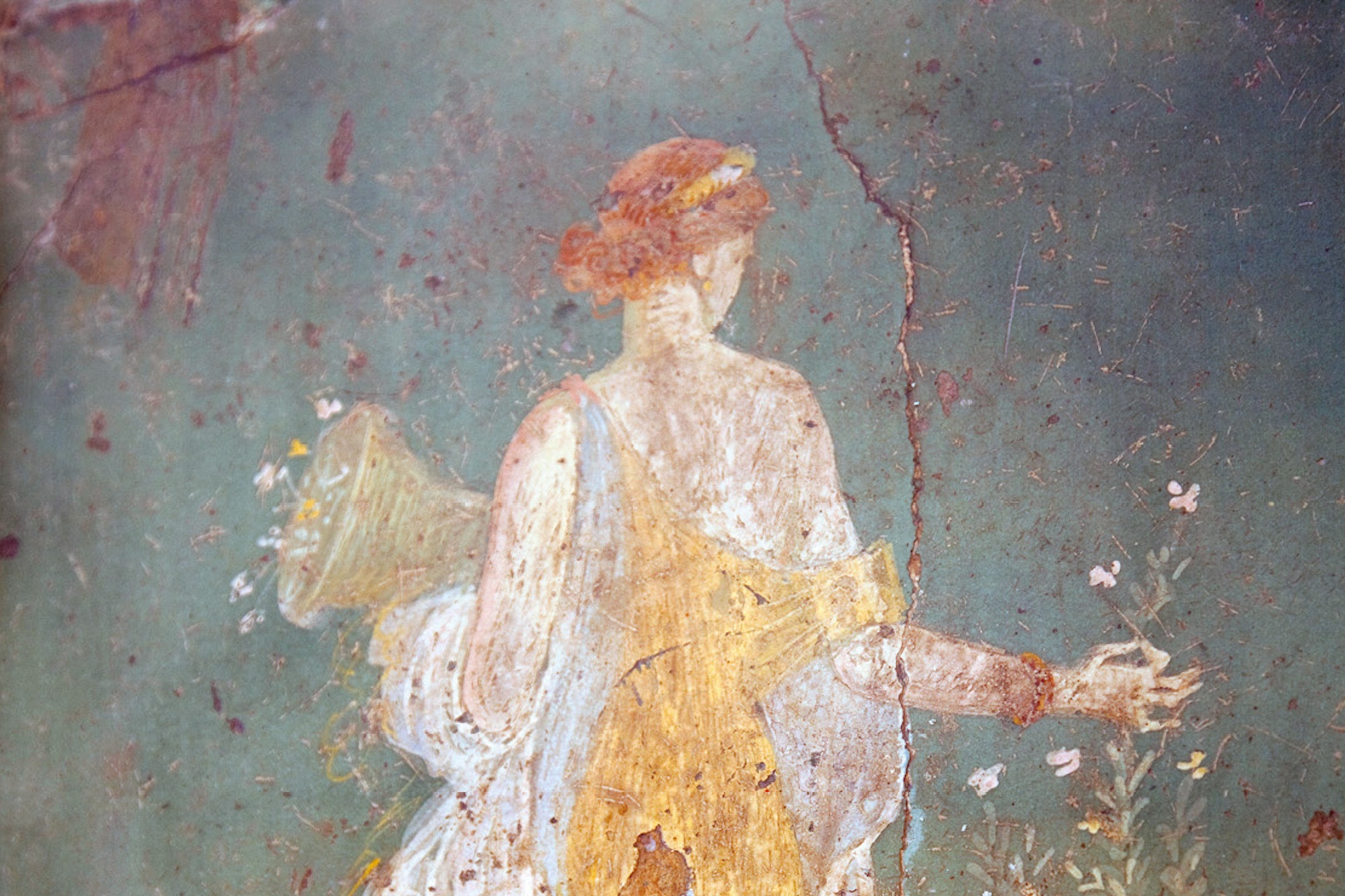
A fresco from Stabiae showing Flora, the goddess of spring.
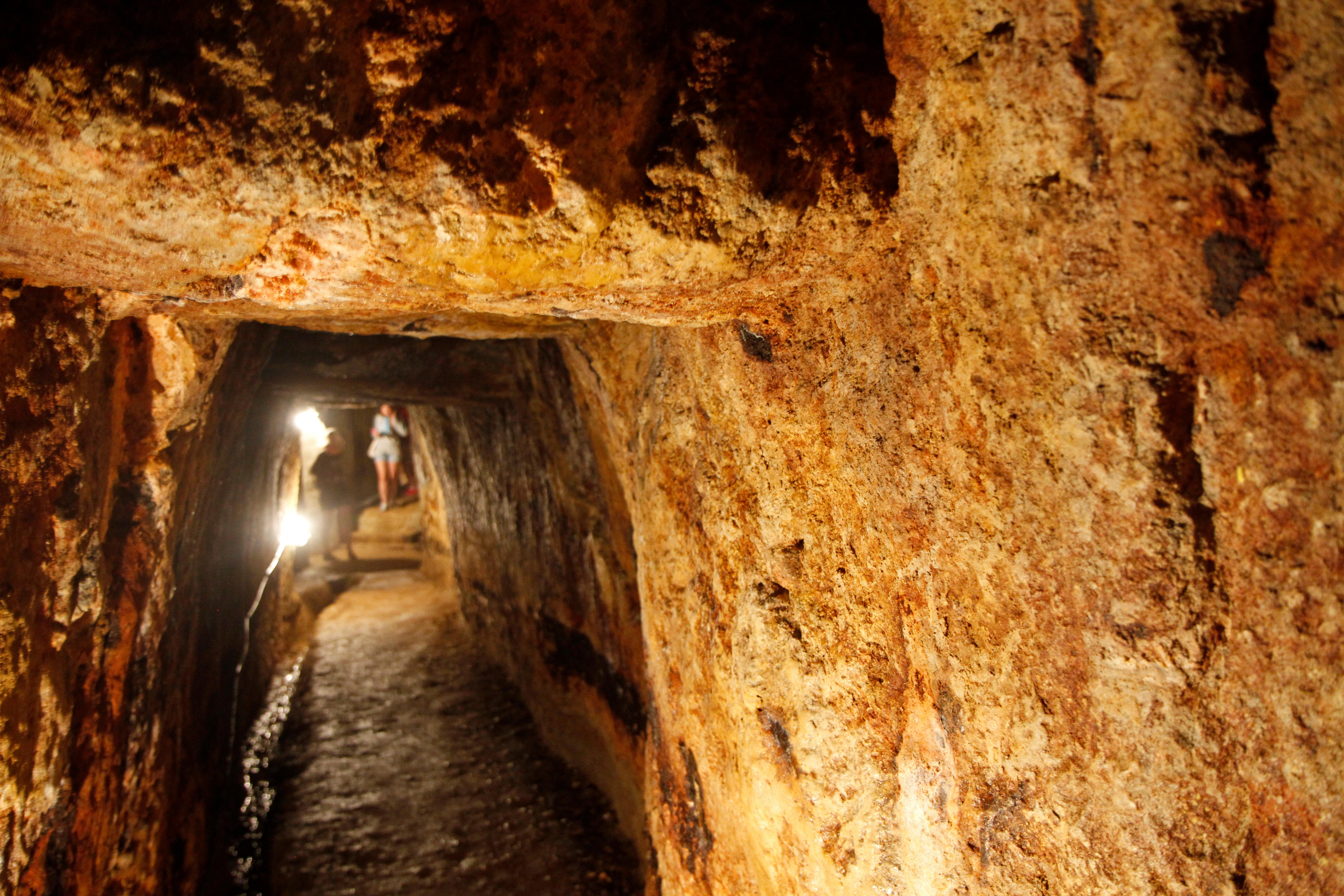
Alburnus Maior, modern Roșia Montană in Romania, was a Roman mining settlement founded in ad 106. It is one of the most extensive gold-mining systems in the Roman Empire, with over 4 miles of underground passages. In just over 150 years the Romans extracted about 500 tons of gold from the site.
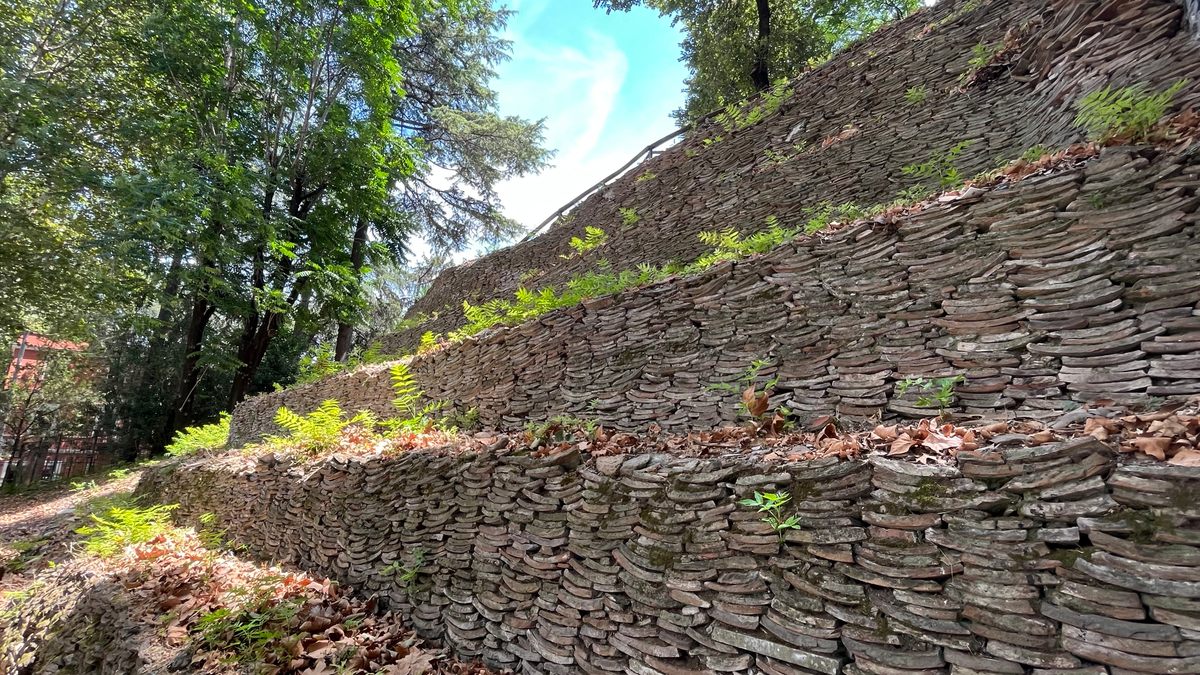
Along the Tiber River in Rome stands Monte Testaccio, an artificial hill made almost entirely of broken amphorae, which had been imported to Rome containing olive oil.
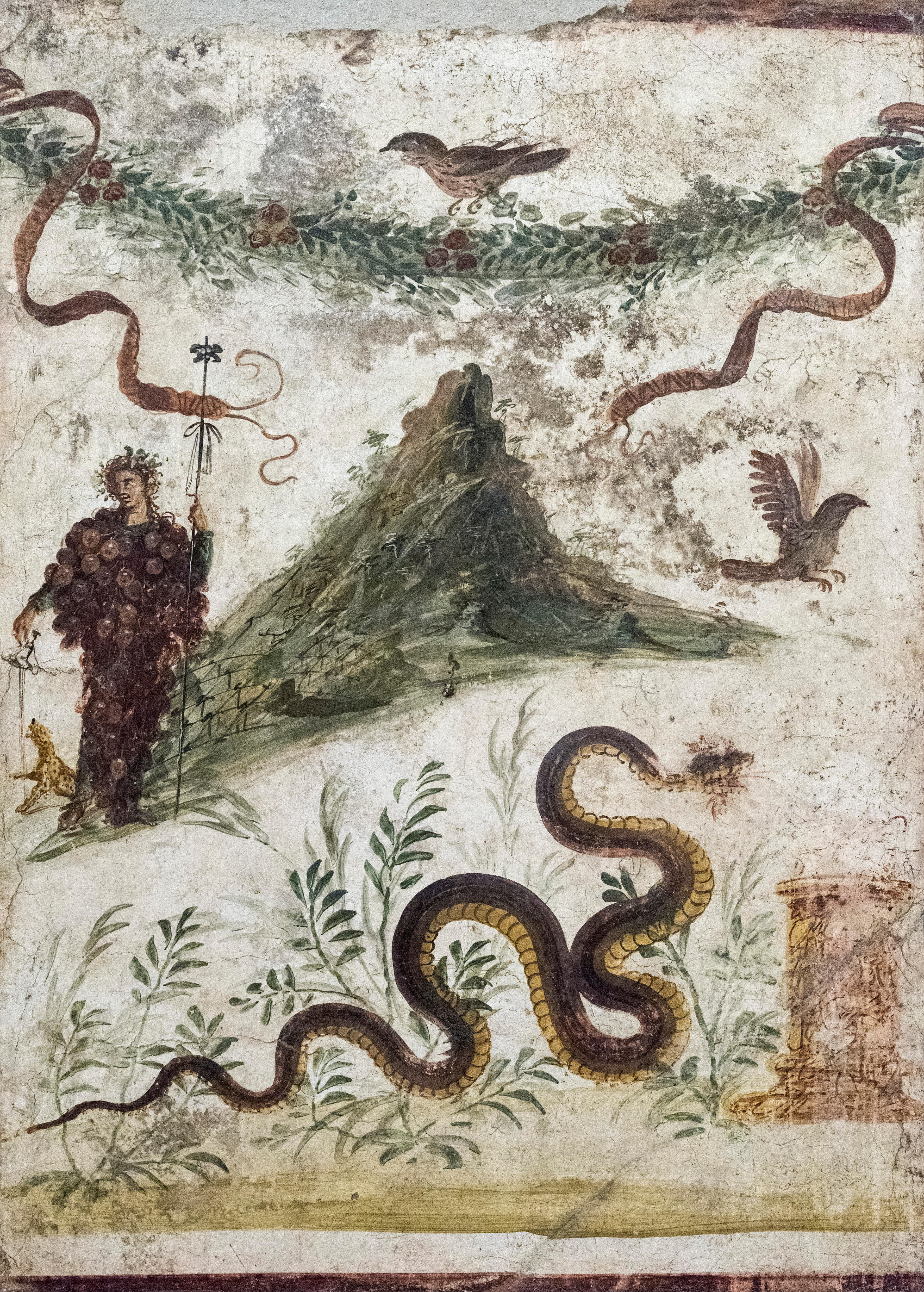 This wall painting from Pompeii shows Bacchus, the god of wine, wearing a bunch of grapes. Behind him stands Mount Vesuvius, its slopes covered in vineyards. Before its eruption in ad 79, Mount Vesuvius had long been cultivated for the production of grapes and other crops. In fact, the volcanic ash that had spread across the land in previous eruptions was high in nutrients that made the soil fertile. These included zinc, chlorine, iron, cobalt, nitrogen, and boron.
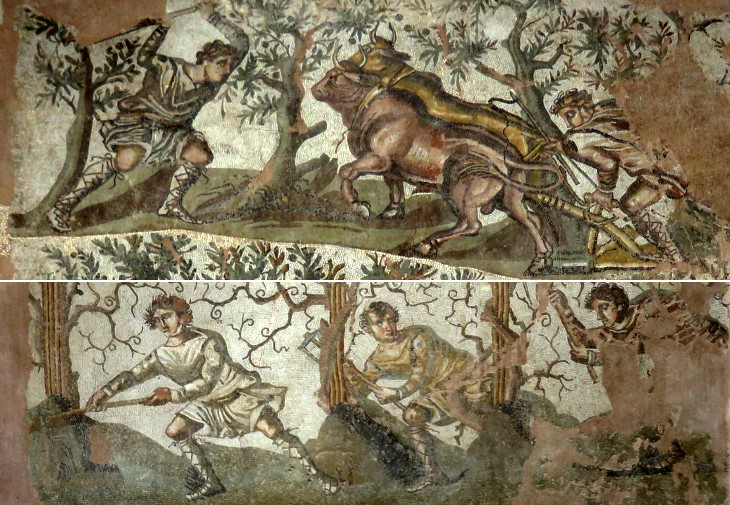 This mosaic, from Cherchell in modern Algeria, shows an agricultural scene. Two oxen are pulling a plow, preparing the ground for sowing seeds. This scene is part of a larger mosaic which depicts different stages of farming.
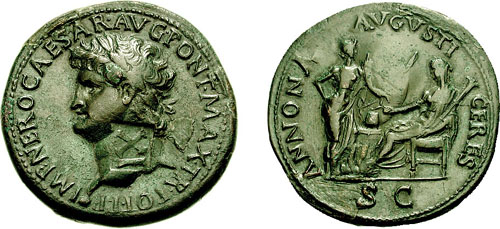 A coin with the head of Nero, minted at Lugdunum in ad 66. The reverse shows Annona standing before a seated Ceres (goddess of the harvest). Between them is an altar with grain, and behind them a ship’s stern.
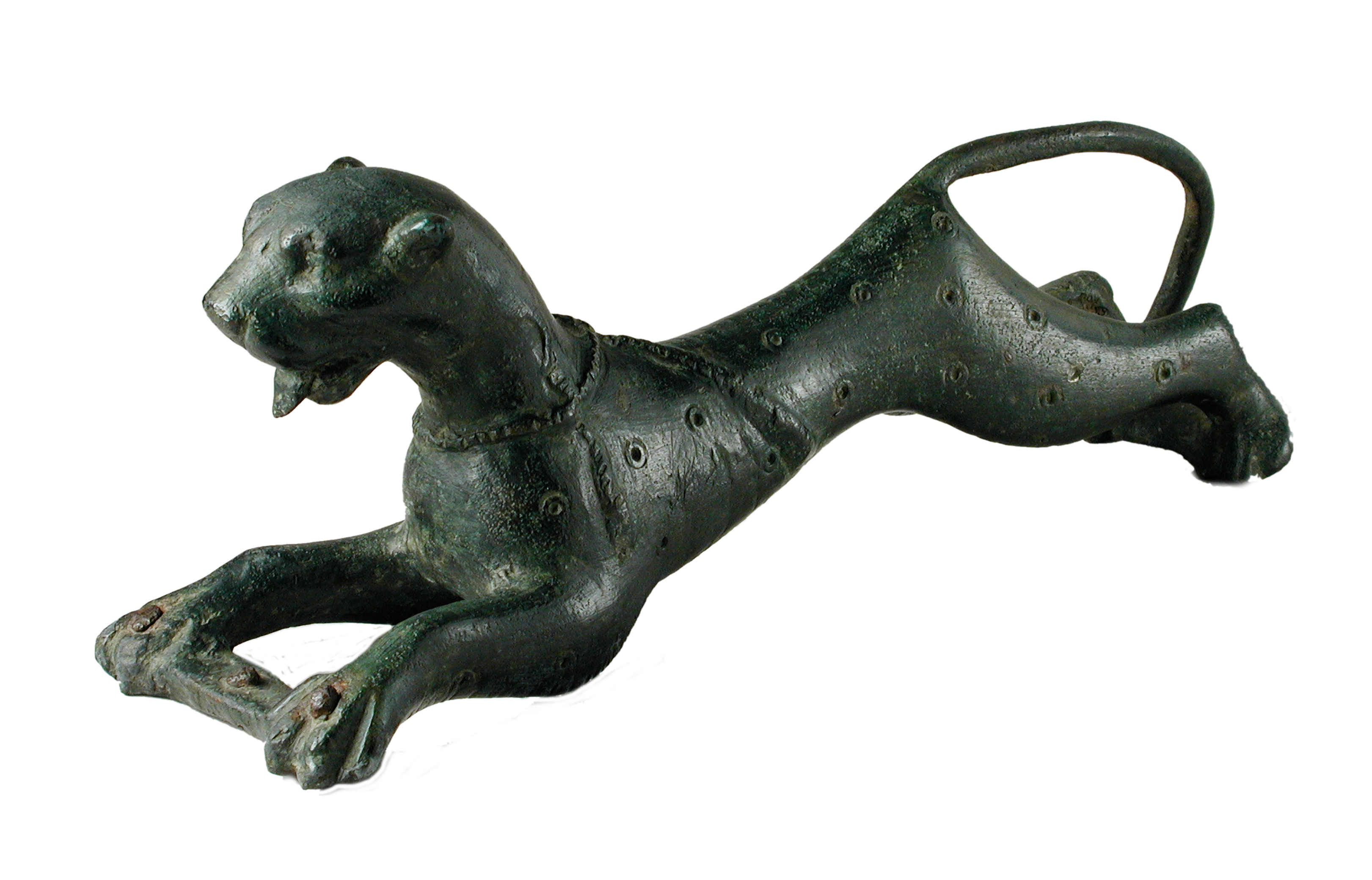 This bronze leopard is about 9 inches in length.
 Silphium was so important to the Cyrenean economy that coins were printed with its image.
 This mosaic of a tigress and her cubs is from the third century ad. Tigers were imported from west and central Asia to Rome to appear in gladiatorial shows.
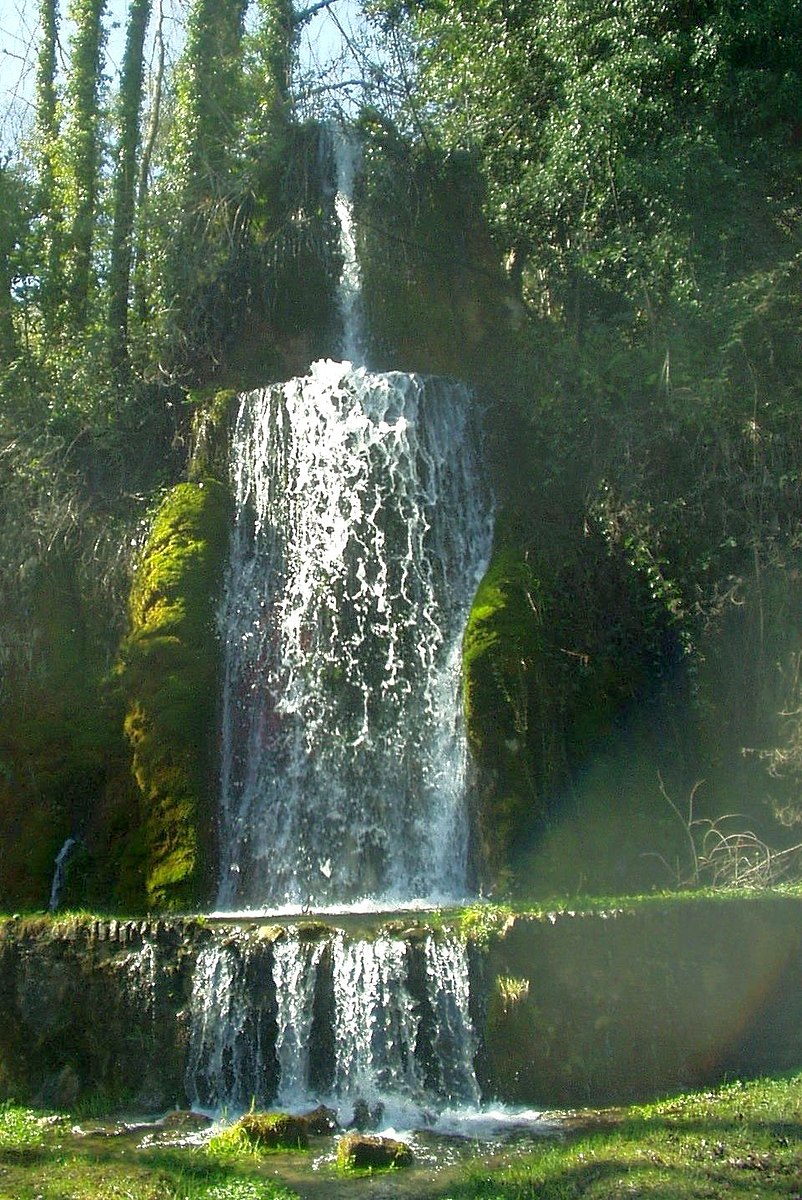 Some scholars have identified this as the spring addressed in Horace’s poem. It is located about 30 miles from Rome where Horace had a farm.
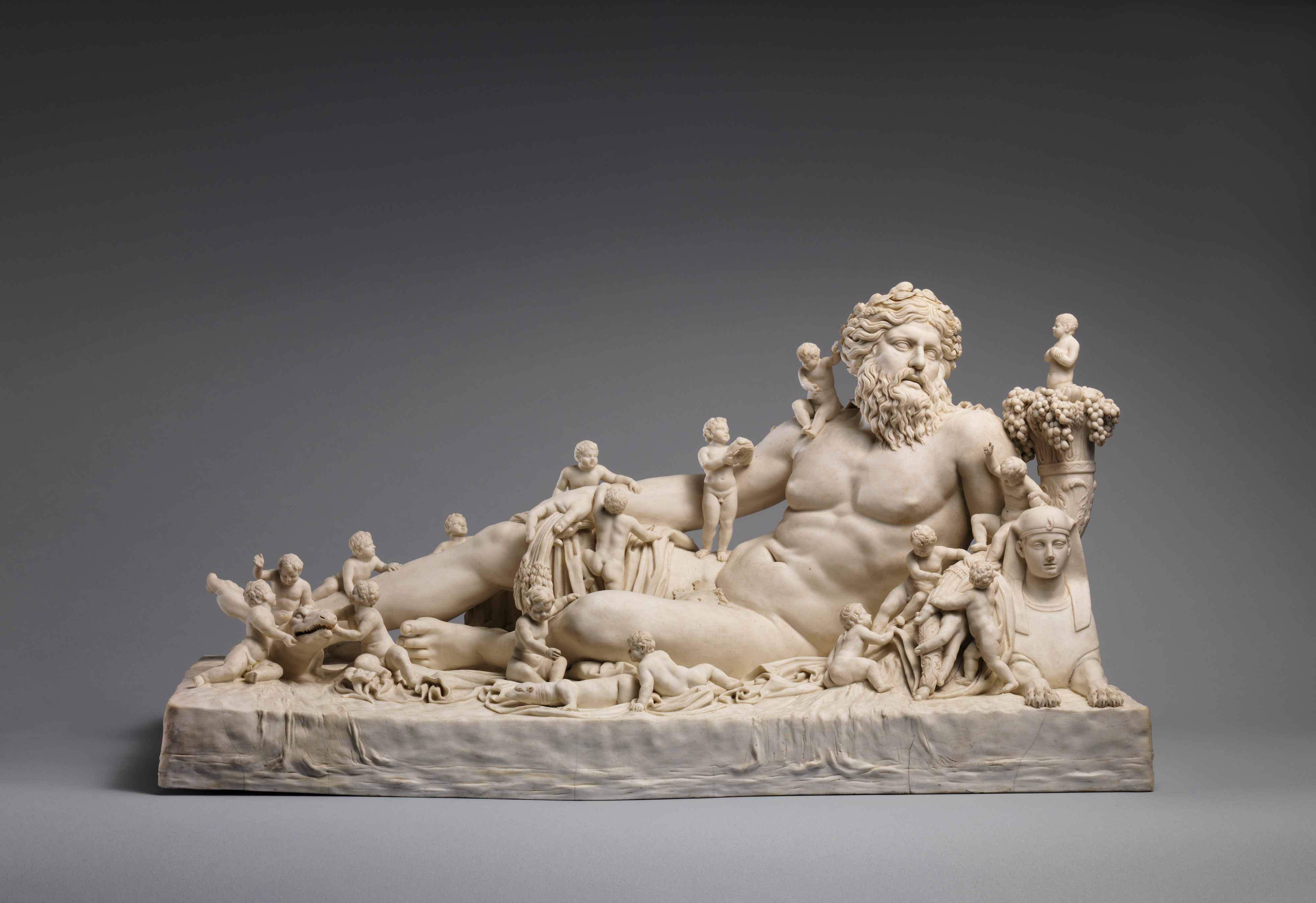 This statue is a personification of the Nile River, celebrating the fertility that the river’s annual flooding brings. The sphinx that he is reclining on, and the crocodile and mongoose, are distinctly Egyptian. This statue is an eighteenth-century copy of a Roman original.
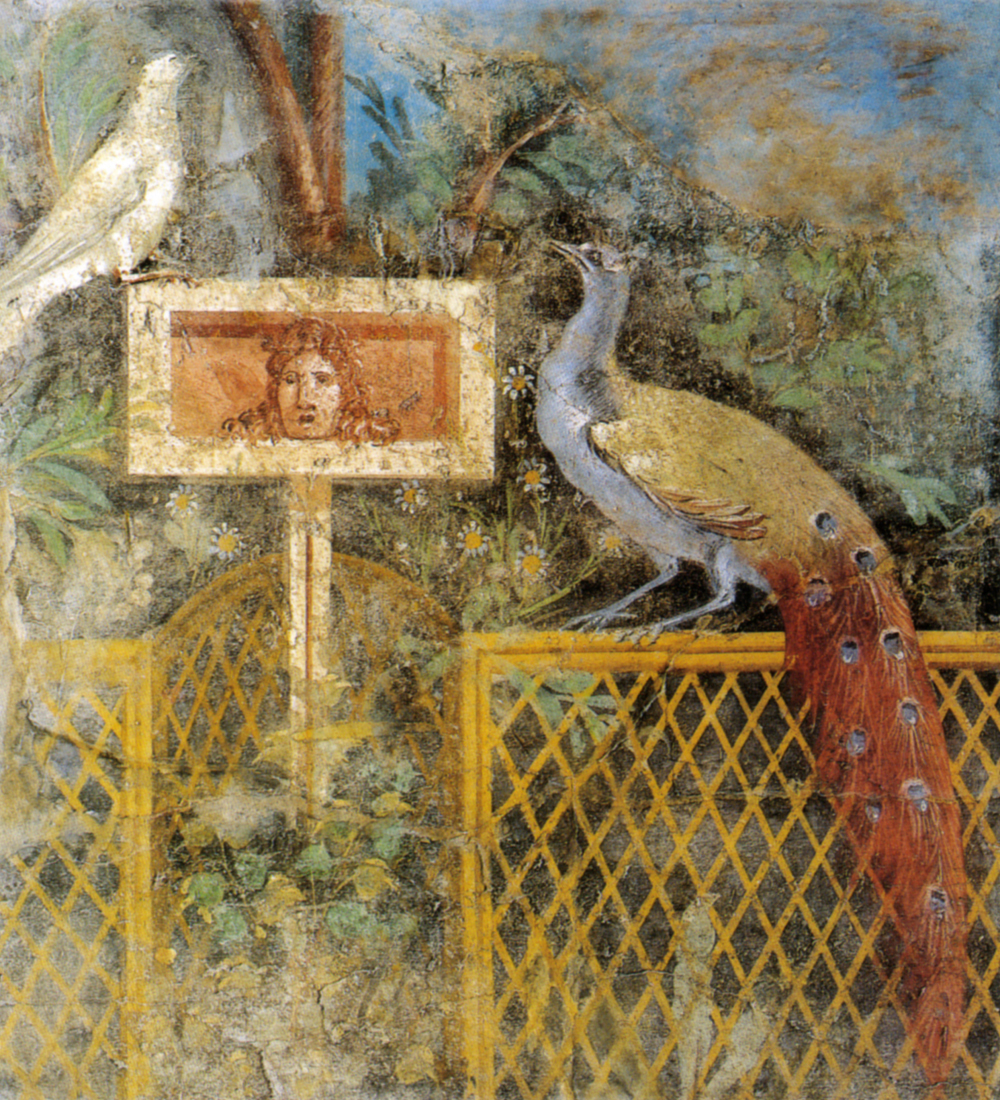 This wall painting from Pompeii shows a garden with a bird and a peacock.
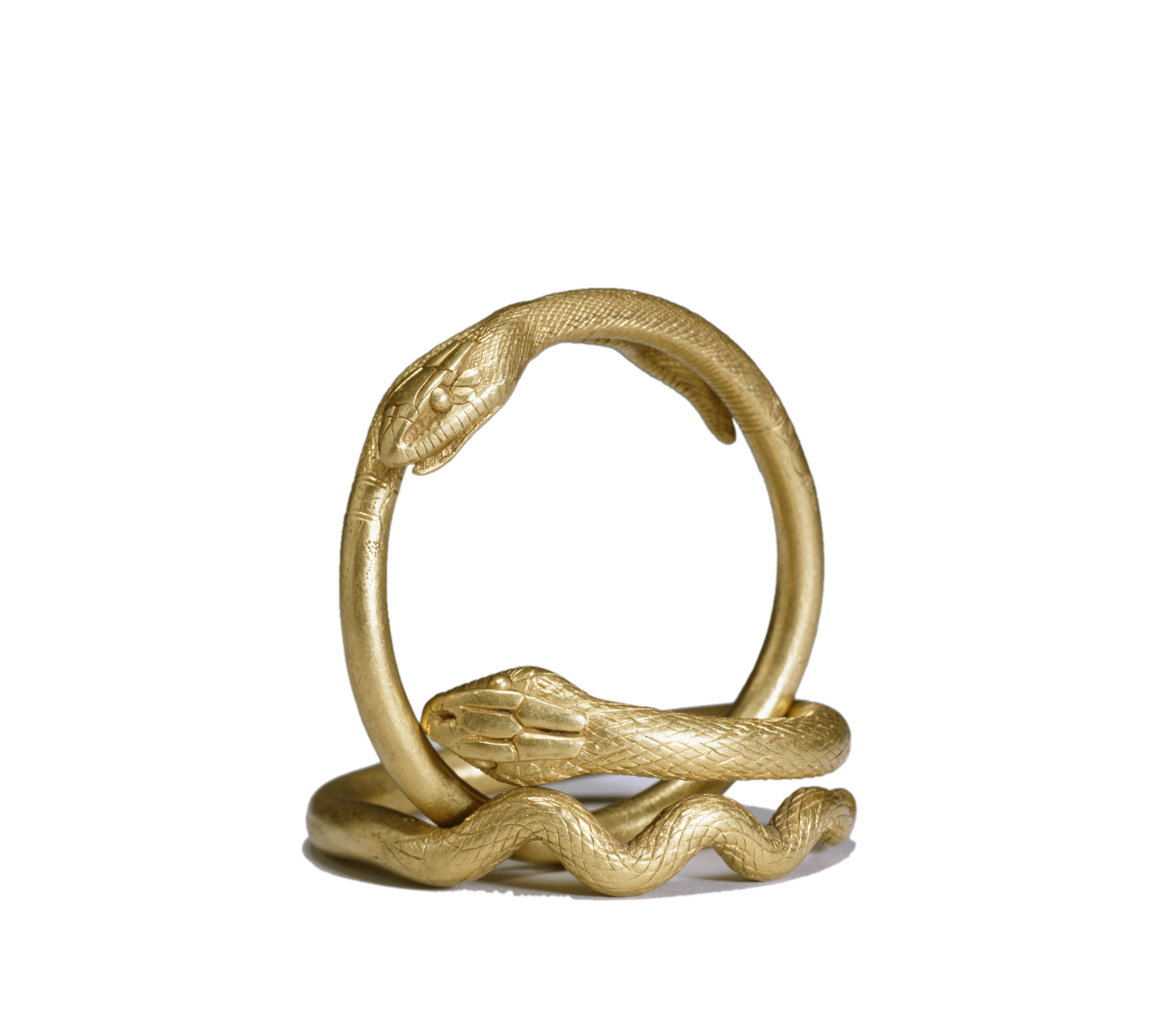 Two bracelets in the shape of snakes,from Pompeii.
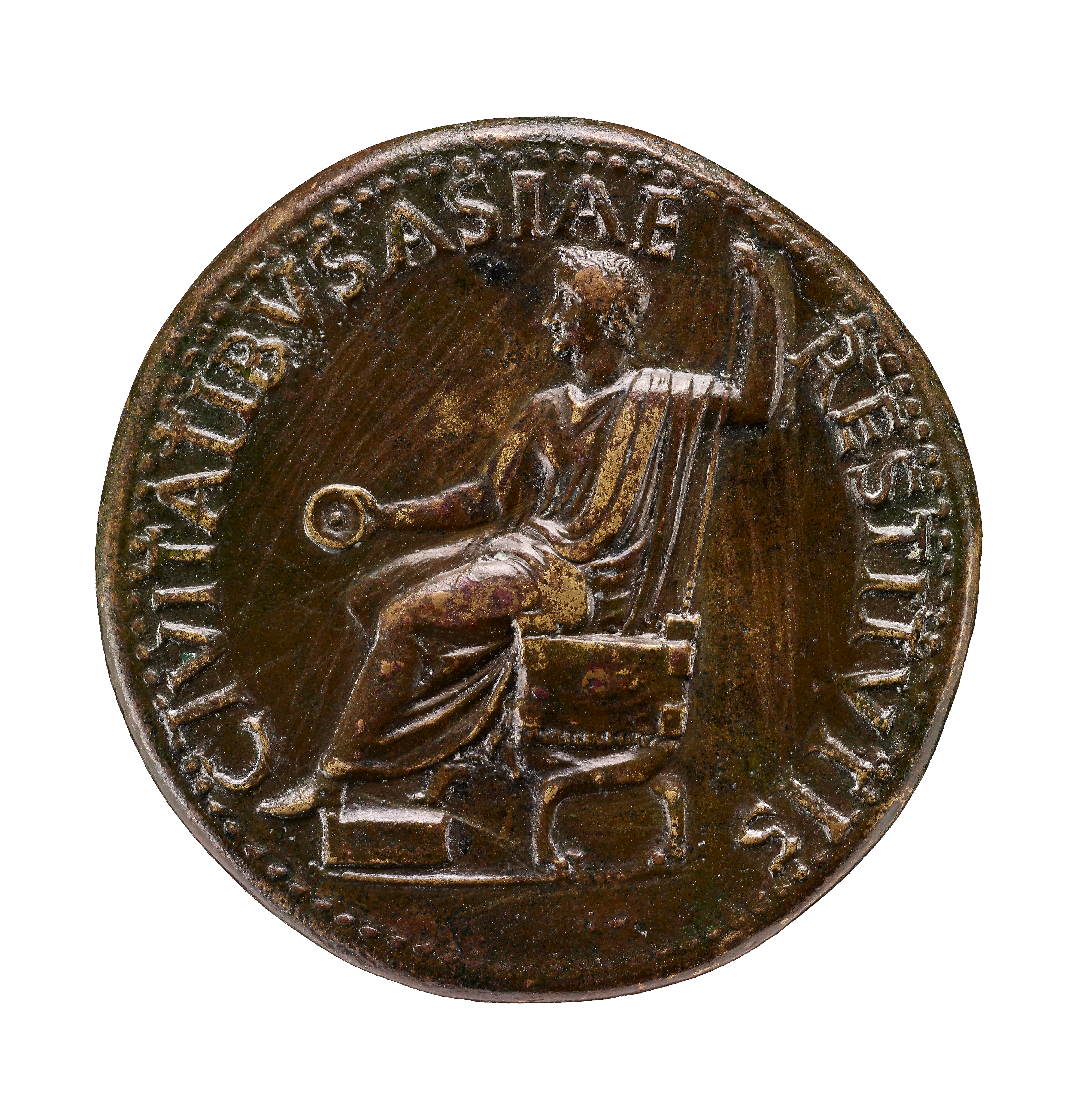 This coin, minted in Rome in ad 22–23, shows the seated Tiberius. Around him is inscribed:
CIVITATIBVS ASIAE RESTITVTIS
The cities of Asia re-established
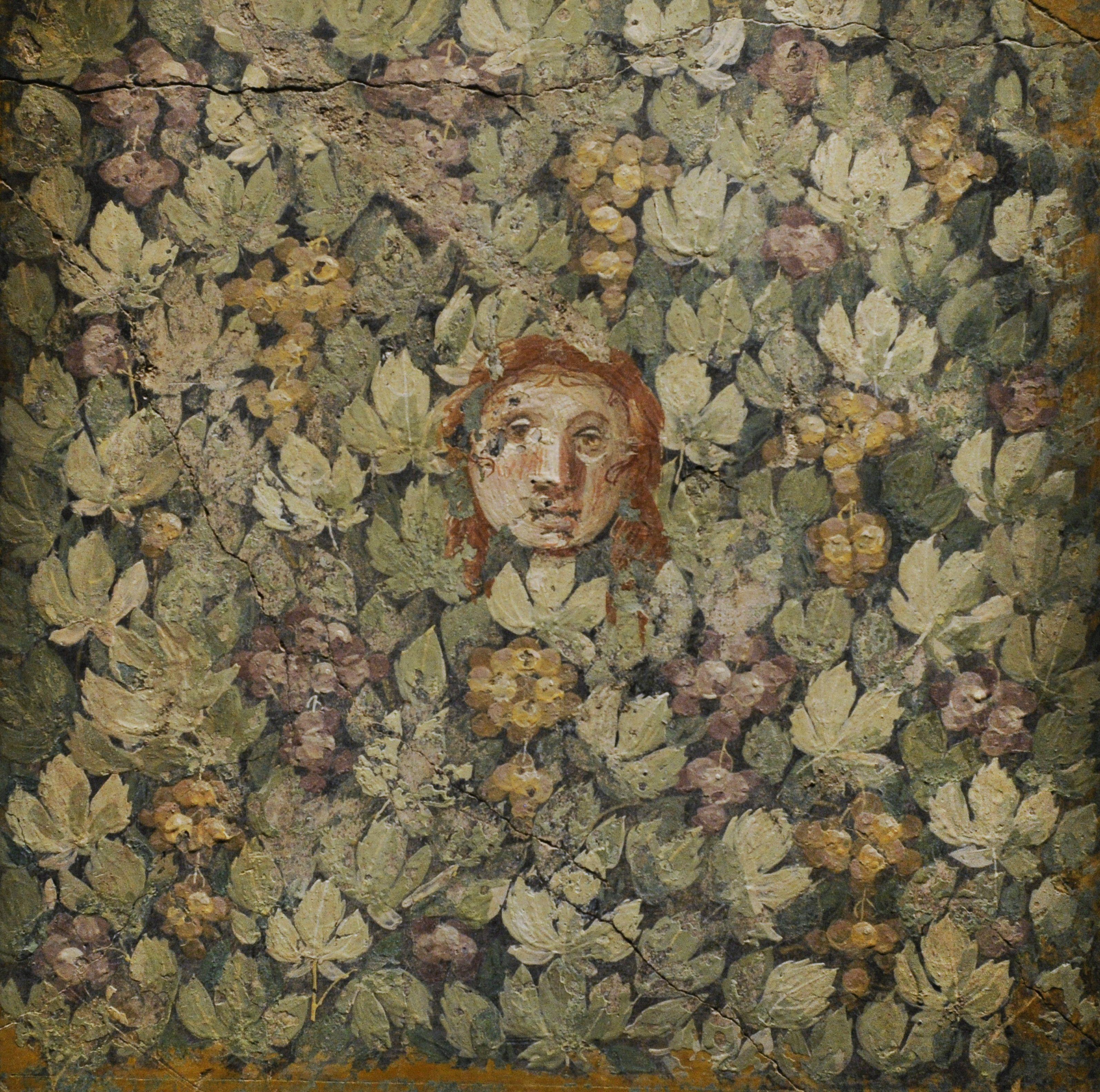 This wall painting, from the House of Popidius Priscus in Pompeii, shows a mask on a bed of vine leaves and grapes.
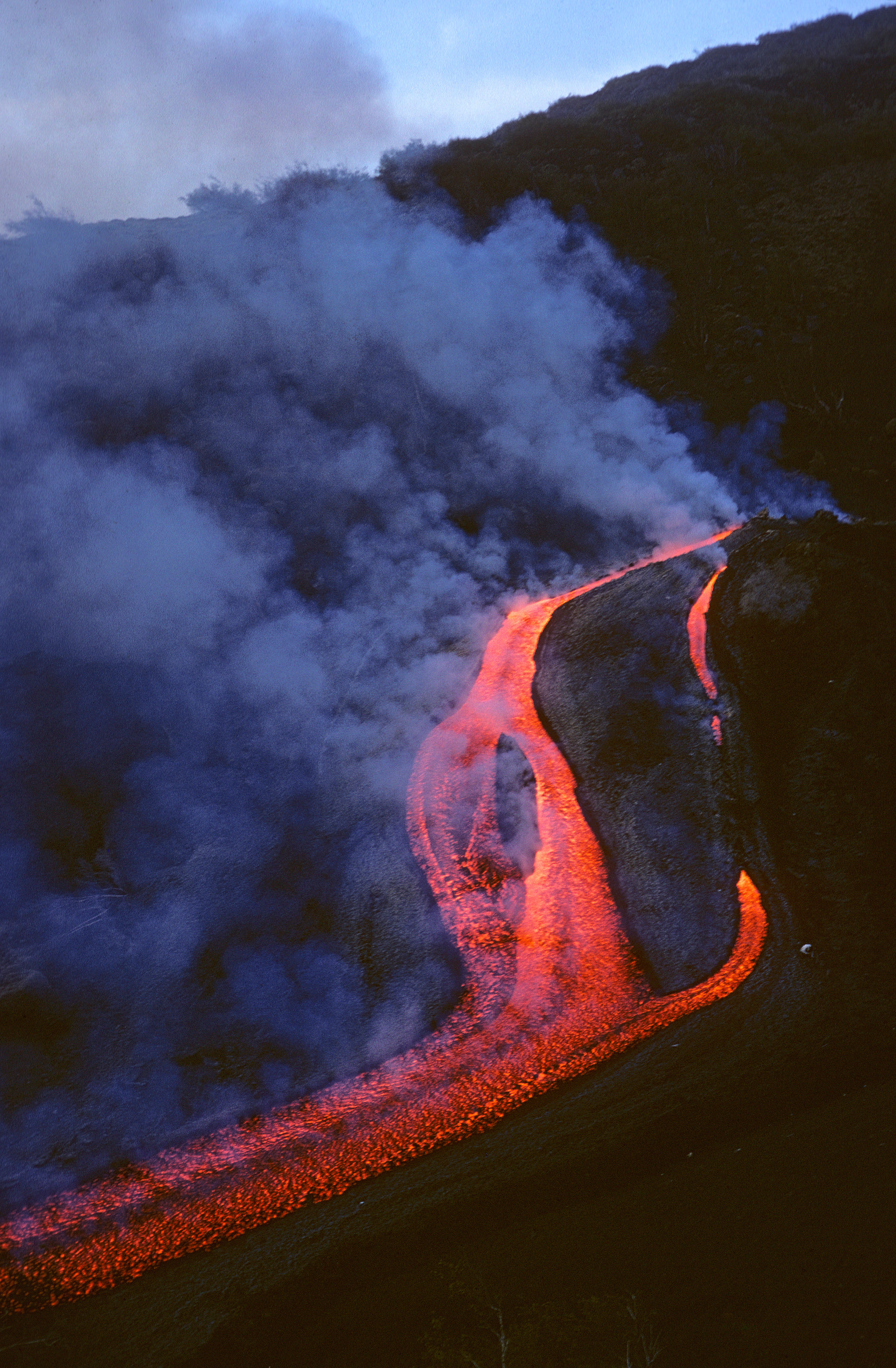 Lava pouring from Mount Etna in Sicily. It is one of the world’s most active volcanoes.
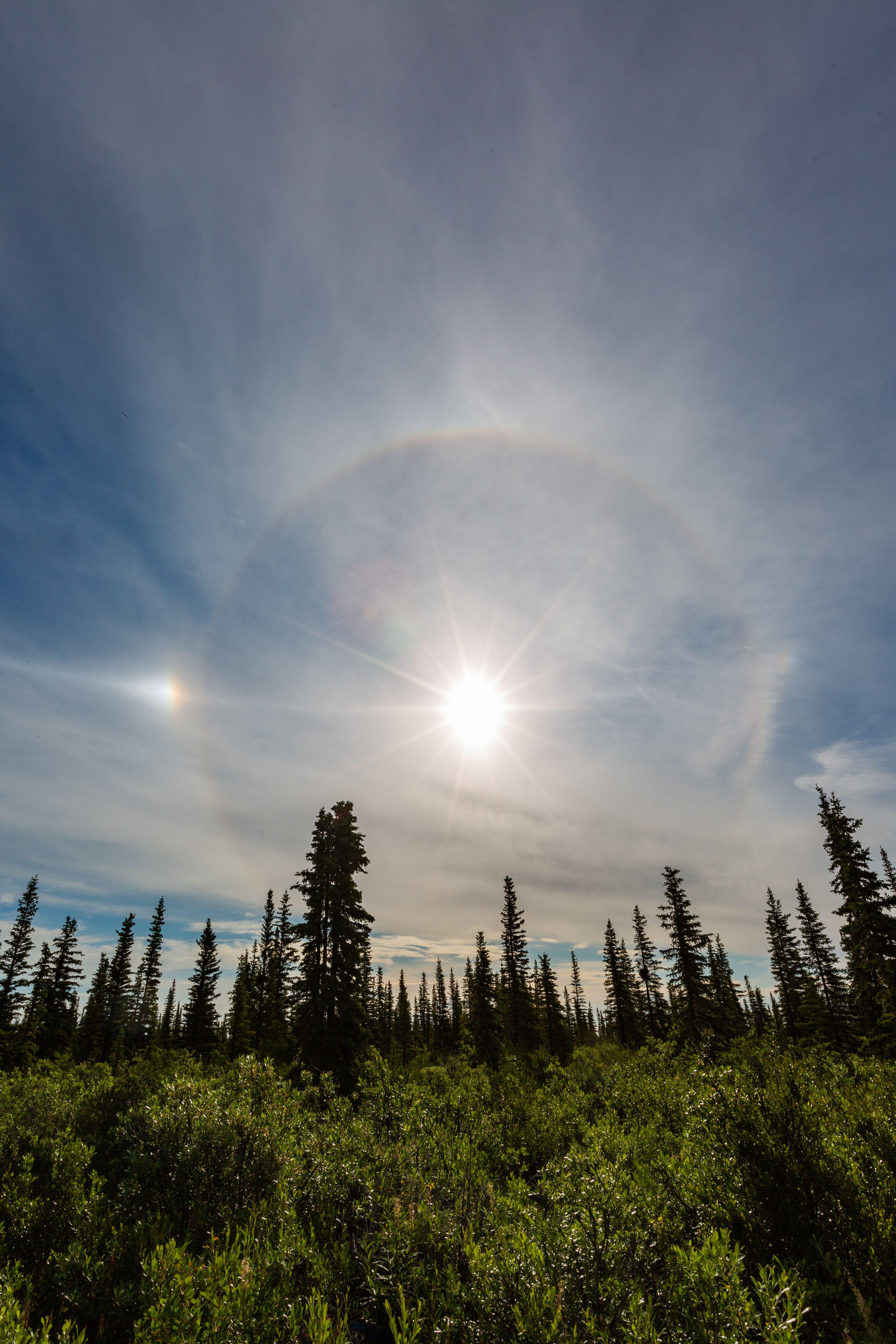 A parhelion, or sun dog.
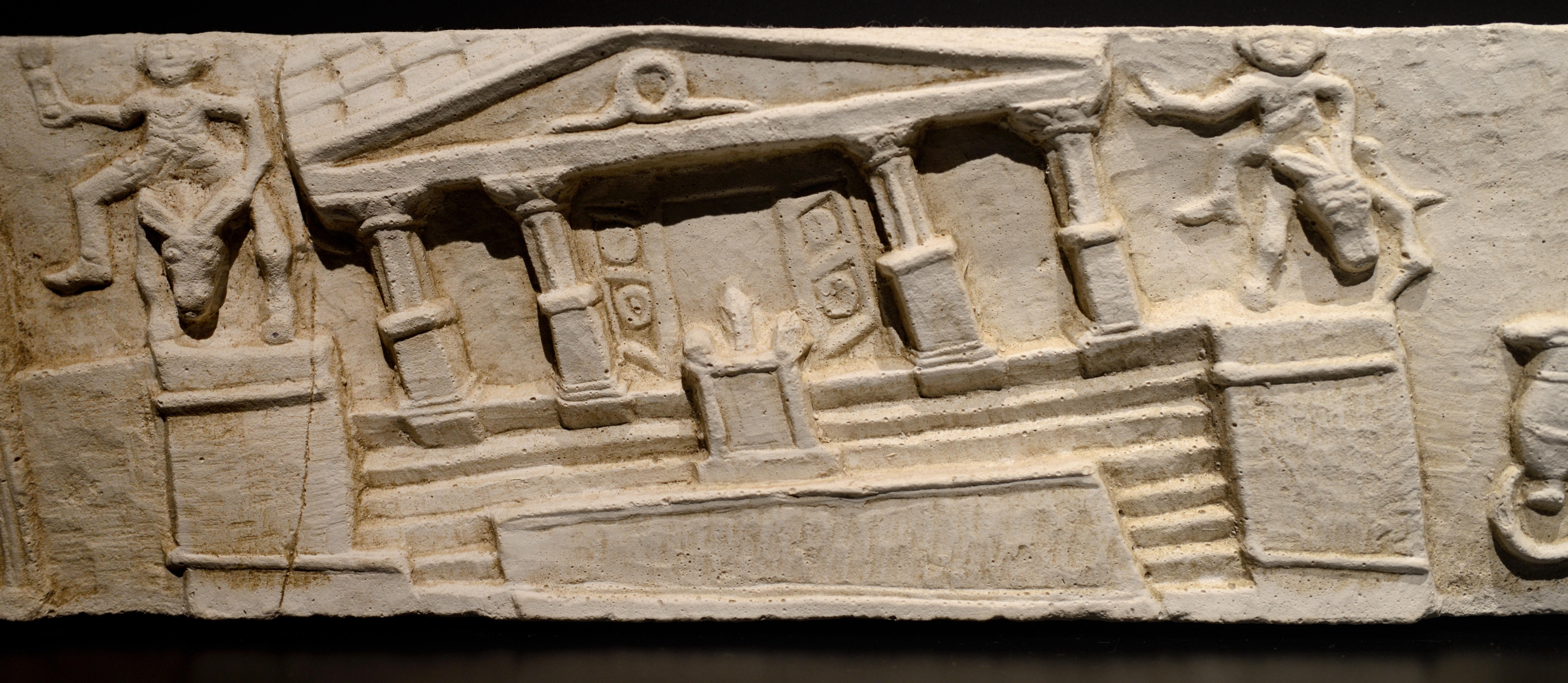 This relief from the house of Caecilius Iucundus in Pompeii shows a scene from the ad 62 earthquake. The building is thought to be the Temple of Jupiter in the Forum of Pompeii.
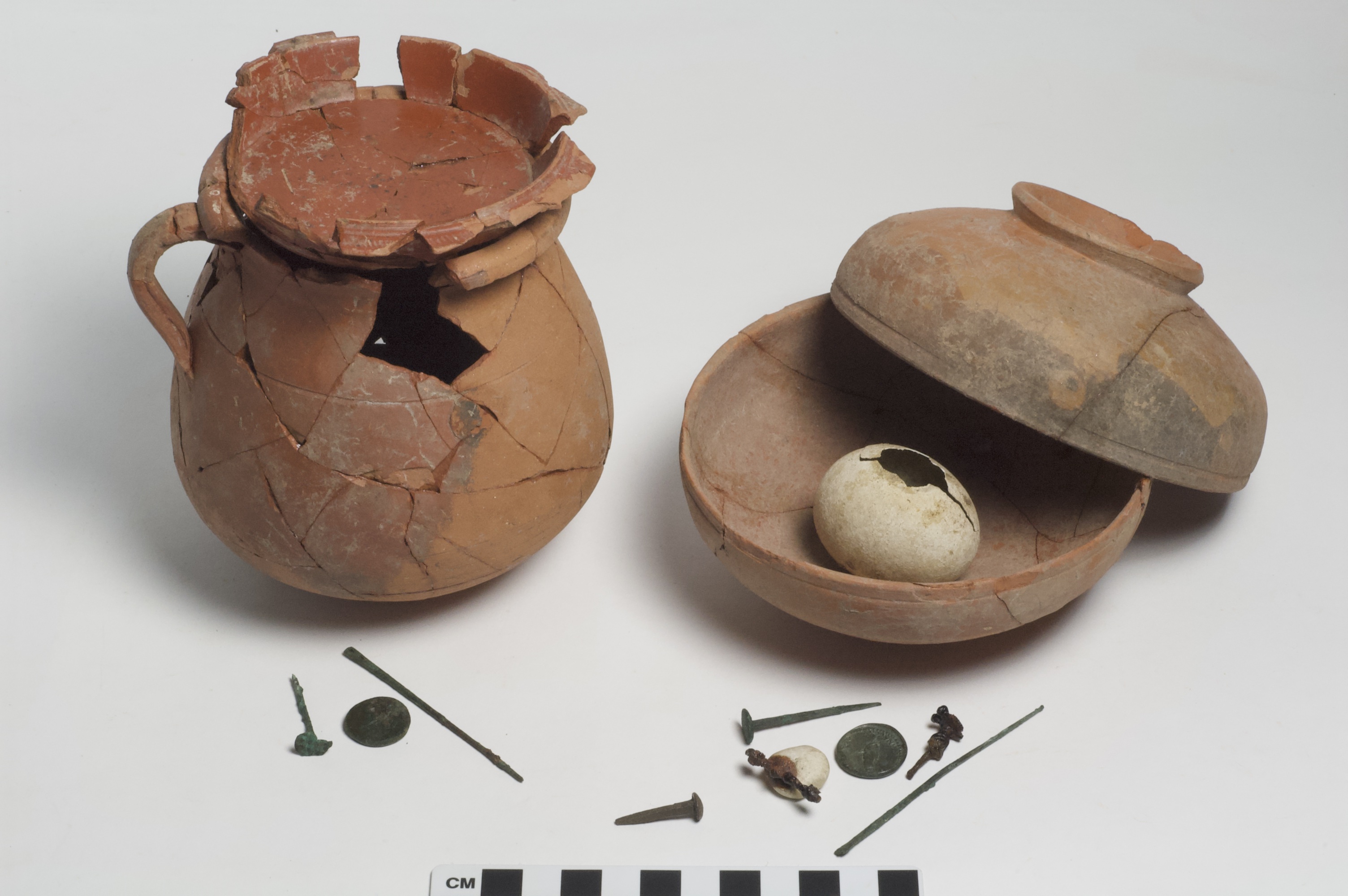 These items were found in Sardis. They are thought to have been placed there as a votive offering. The bronze coin, minted under Nero, has an image of the god Zeus Lydios, a local god of storms and thunder, probably chosen specially as a plea for no more earthquakes.
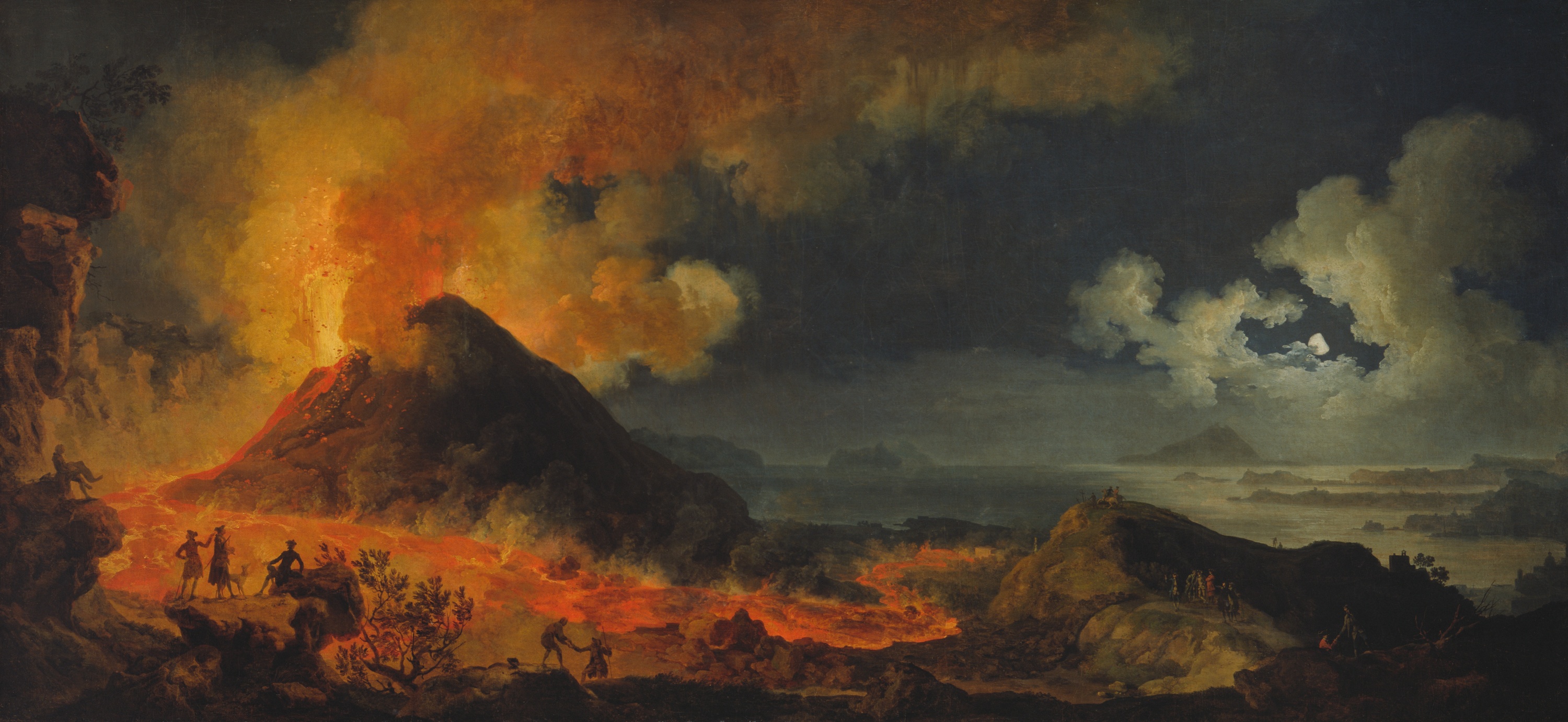 Pierre-Jacques Volaire painted ‘The Eruption of Vesuvius’ in 1771. Mount Vesuvius erupted six times between 1707 and 1794, in the same period that the archaeological site of Pompeii was first systematically excavated, making the volcano a popular subject for contemporary artists.
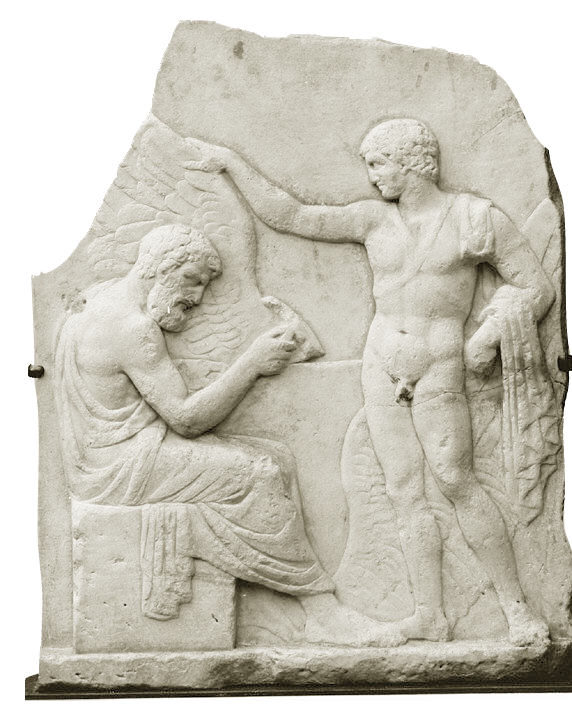 A marble relief showing the craftsman Daedalus fashioning and fitting wings for his son Icarus.
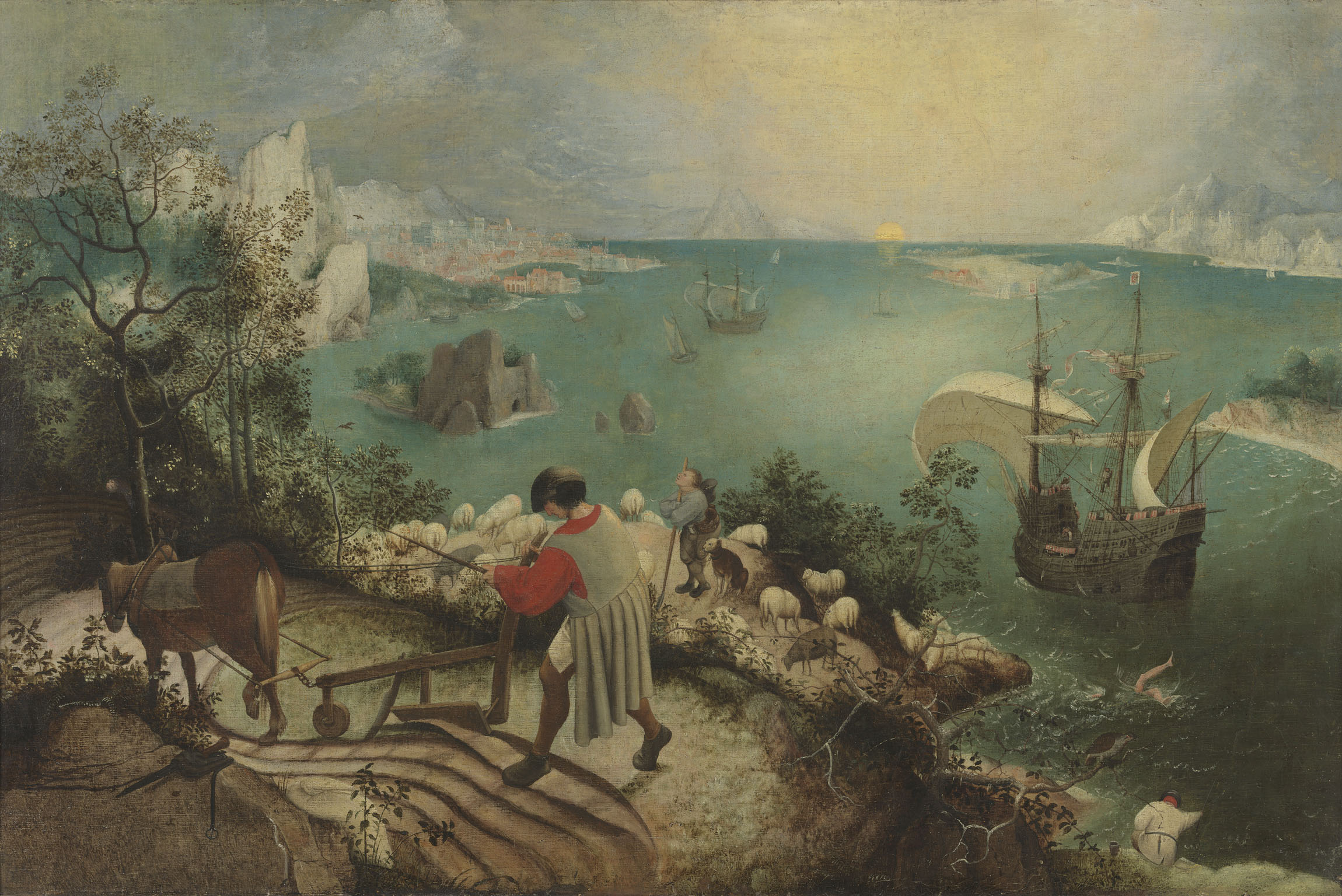 'Landscape with the Fall of Icarus' was painted around 1560. It was thought to be by the Dutch Renaissance painter Pieter Brueghel the Elder, but recent analysis has led some experts to believe it to be a copy of Brueghel’s by an unknown artist.